



by Jessica Ciaburri, OB/GYN
Dr. Jessica Ciaburri, OB/GYN at Virginia Physicians for Women, delves into the physical and emotional postpartum roller coaster and how to manage with a new baby on board.
If you haven’t already, you’ll probably hear a lot about what to expect when you’re expecting. But what about everything that happens to your body and your emotions AFTER you have the baby? That topic doesn’t always come up at the baby shower. Not to mention, since every woman’s birth and postpartum experience is different, it may be tough to glean a lot from talking to your mom, your sister, or your best friend about what they went through after delivery. As an OB/GYN at VPFW who recently gave birth to baby number two, I wanted to share some insights on the physical and emotional roller coaster of the days and weeks after delivery, as well as some tips for how to manage while caring for your new bundle of joy.
Physical Changes
Having recently given birth for the second time, I can attest that your body will go through big changes in the hours and days that follow the delivery of your little one. The physical sensations you will experience will vary somewhat depending on whether you gave birth vaginally or by cesarean section.
“Aftershock” Contractions
Nearly all moms will experience these mild to moderate cramping sensations in the lower abdomen after delivery. Aftershock contractions occur as the uterus is clamping down to slow the flow of bleeding and restore itself to normal size. You are most likely to notice them in the first hours to days after delivery, and they will be more intense during breast feeding or pumping. This is how your body protects itself from excessive blood loss. The best treatment is an oral anti-inflammatory medication such as ibuprofen. You can also use a heating pad on your lower abdomen.
Lochia
The normal bleeding after delivery, lochia lasts on average 2-4 weeks. In the first few days, the bleeding is like a moderate to heavy period, but it quickly tapers off to be more like spotting. If bleeding becomes heavy (saturating a pad per hour or passing multiple quarter-size or larger clots), you should contact your physician.
Perineal Tearing (Vaginal Delivery)
Most first-time moms will have a perineal tear: a tear that occurs naturally in the tissues/muscles between the vagina and anus as the baby’s head is delivered. Your doctor will do the necessary repairing of the tear with sutures just after delivery. Don’t worry, we make sure to provide pain control via your epidural or local anesthetic! But the area will remain sore and swollen over the next few days to weeks. Ibuprofen, ice packs, and witch hazel pads will soothe the discomfort of the first few hours and days. You will be taught how to clean the area properly with a warm water bottle called a “peri-bottle.” Soreness usually greatly improves within just a few days; but to ensure proper healing, the area should be treated gingerly for at least 6 weeks.
Incision Pain (Cesarean Delivery)
With a cesarean delivery, the pain or discomfort you experience will be in your abdomen surrounding your incision. Anti-inflammatory and stronger narcotic medications are often used in the first few days to provide pain relief. Wearing an abdominal support band can be helpful to provide a sense of snug security for muscles when moving about. Remember to take it slow! You won’t be able to pop right up out of the bed at first, but most women notice a significant improvement after 3-5 days.
Constipation
Constipation, hard stools, or difficulty passing stools can worsen the pain you experience postpartum. Some actions you can take to prevent constipation include drinking plenty of water (at least eight 8-oz glasses per day), eating foods high in fiber (oatmeal, fruits, vegetables), and walking. If you are taking a narcotic pain medication, you should take a daily stool softener. If you think you are developing constipation and need advice on what to do, do not hesitate to reach out to your OB/GYN.
Breasts/Breastfeeding
Many women choose to breastfeed because it has significant benefits for both you and your baby. The American College of Obstetricians and Gynecologists has an excellent handout on breastfeeding benefits. I’d like to talk through some of the changes and challenges you can expect should you choose the breastfeeding route.
What to know about your milk supply
It is important to know that you will not have a high volume of milk in the beginning, and that is normal and completely OK! You will first make colostrum, which is a thick yellow substance that is high in carbohydrates, protein, and antibodies. This nutrient rich milk is all the baby needs in the first few days. Your nurses and pediatrician will help you determine if your baby is getting enough to eat by monitoring their temperament, weight changes, and wet diapers. Your milk supply will usually “come in” between days 2 and 5 post-delivery.
Breast changes
Once your milk comes in you will notice “big” changes to your breasts. They will grow larger, feel fuller, and may become hard. The nipples can become flatter or taut when the breast is full of milk. Engorgement occurs when your breasts are painfully full of milk, and it may make it harder for your baby to latch on to the nipple and feed. One techniques to relieve engorgement is hand expression of breast milk. This can even be done in the shower: bending your body forward in the warm water will aid in the release of excess milk. You can use a gentle suction collection device such as the Haaka breast pump. The Haaka is a way to relieve engorgement while your baby is nursing by collecting milk leaking from the opposite breast. You can then package and freeze this milk for later use.
Eating well while breastfeeding
To optimize milk production, be sure to incorporate plenty of galactagogues into your diet. These are foods that increase milk supply. Galactagogues include whole grains (especially oatmeal), dark leafy greens, fennel, garlic, chickpeas, nuts (especially almonds) and ginger. Don’t forget to drink plenty of water throughout the day! Breastfeeding will also help keep your little one hydrated. An occasional Pink Drink from Starbucks won’t hurt, either.
Breastfeeding resources Your team of physicians, nurses and lactation consultants will do their best to try to help you get off to a good start with breastfeeding. Lactation consultants are a great resource. They will meet with you daily in the hospital to provide instructions on establishing a good latch, as well as various positions for nursing your baby. Bon Secours and HCA hospital systems both continue to offer lactation assistance via telephone and outpatient appointments after you take your baby home. Bon Secours patients can call 804-730-4690, and HCA patients can call 804-289-4977.
There are some helpful online resources for breastfeeding as well. The American College of Obstetricians and Gynecologists has an excellent guide to breastfeeding, and Kellymom.com is another wonderful evidence-based resource for nursing moms. This article on newborn nursing is a great place to start learning.
In the first weeks of feeding your baby every 2-3 hours, the sleep deprivation can take a toll. You can download a free nursing app such as Baby Tracker to keep track of feedings. It will help you remember when you last fed the baby, which side he or she nursed on and for how long. The app works great for bottle fed babies too.
Ultimately, breastfeeding does not always work out for every mom and baby, and that is okay. The most important thing to remember is that your baby needs to be fed regularly – whether by breast milk or formula – and to feel safe and loved.
Emotional Challenges
Having a new baby is hard on your body, and it can also take its toll on your emotional well-being. The first few weeks after you deliver, when your newborn baby is eating every 2-3 hours, can be extremely exhausting both physically and emotionally. Here are some ways to cope with the deprivation of sleep and time that come with having a new baby and a new schedule.
Get sleep whenever you can
Once breastfeeding is established, consider having your partner give one nighttime bottle to allow for a 4-5 hour stretch of sleep for mom. Nap whenever you can – seriously! The laundry and dishes can wait, but you need your sleep.
Accept help
When family and friends offer to help, let them! Give them a specific task to do, such as wash and fold a load of laundry, make a meal, take out the trash, or take big brother or sister to the park. You can also just ask them to hold your baby so you can have a little time to yourself. Sometimes you will just need a break to take a long shower or hit up the drive thru at Starbucks while listening to some of your favorite tunes or an audiobook. You’ll be surprised how easy it can be to pass your baby off to loved ones who are craving some snuggles.
How to know if you’re experiencing postpartum depression and/or anxiety
You will experience a massive array of emotions in the first few days after your baby is born: excitement, joy, fatigue, exhaustion, frustration, and doubt. These are normal. The key is that, at the end of the day, you feel mostly happy, content that you are doing your best, supported by family and friends, and safe in your home environment.
If you have overwhelming feelings of sadness, tearfulness, anxiety or worry, please reach out to your OB/GYN. Your team of doctors at VPFW is ready and willing to help you. Consider referencing Dr. Colton’s blogpost on managing the anxiety and grief of COVID-19 – it has a lot of resources and general principles that would apply to post-partum depression too.
Here is a depression screening tool you can use at home to help decide whether or not you should call for an appointment with your OB/GYN to seek treatment for postpartum depression. A score of 10 or greater indicates possible depression and warrants a visit to your doctor.
Be kind to yourself
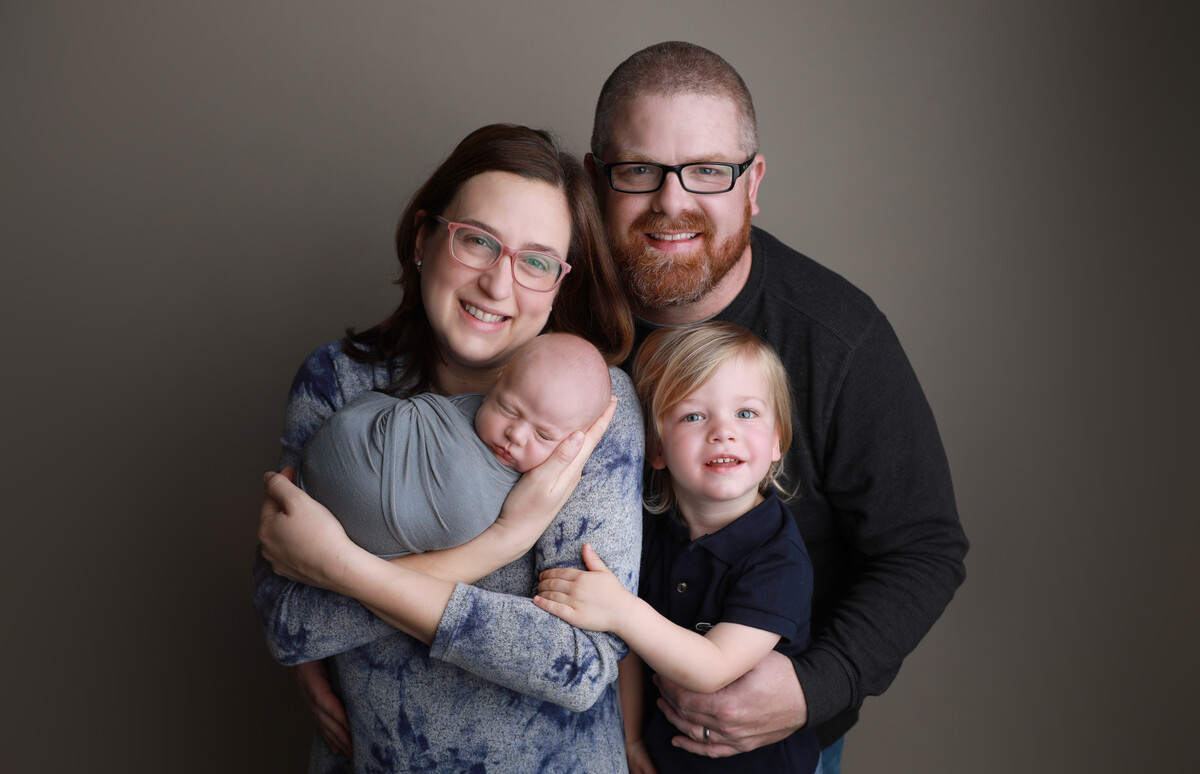
As a somewhat new mom myself, I want to reassure you: this is all brand new and overwhelming at first, but it will get easier. Be patient and kind to yourself. And remember, we are here when you need us!
To schedule an appointment with a VPFW provider, go to vpfw.com.
Dr. Jessica Ciaburri is an OB/GYN at Virginia Physicians for Women. She sees patients at VPFW’s St. Francis and Prince George offices.