
Close Menu
Richmond Family Magazine
  • Magazine
    • Health & Wellness
      • Children’s Health
      • Women’s Health
      • Men’s Health
      • Senior Health
      • Mental Health
      • Nutrition
    • Family Life
      • RVA Family Fun
      • Food & Recipes
      • Travel
      • Pets
      • Nature
      • Home & Garden
    • Community
      • Publisher’s Page
      • Richmond History
      • Just Joan
      • Nonprofit Spotlight
      • News & Press
      • Featured Folks
    • Parenting
      • Parenting Tips
      • DadZone
      • Civics & Policy
      • Family Finances
      • Legal Advice
      • Safety Tips
    • Arts & Entertainment
      • Books & Authors
      • Museums & Exhibits
      • Theatre & Performance
    • Learning
      • Education
      • Arts & Crafts
      • Science & Technology
  • Directories
    • Summer Camp Finder
    • Party Finder
    • Private School Finder
    • Preschool Finder
  • Calendar
    • View Events by Date & Category
    • View Events by Organizer
    • Submit Your Event
    • Manage Events
      • Submit New Event
      • Account Dashboard
      • Account Logout
  • Giveaways
  • Newsletter
Explore More
  • About Our Magazine
  • RFM Summer Camp Expo
  • Find a Local Copy
  • View Issue Archives
  • Advertising & Media Kit
  • Content Submission Guide
Richmond Family Magazine January/February 2026 Cover
Subscribe Today
Facebook X (Twitter) Instagram Pinterest YouTube LinkedIn
  • About Us
  • Distribution
  • Archives
  • Advertise
  • Camp Expo
  • Contact
Facebook X (Twitter) Instagram Pinterest YouTube LinkedIn
Richmond Family Magazine
  • Magazine
        • Health & Wellness
          • Children's Health
          • Women's Health
          • Men's Health
          • Senior Health
          • Mental Health
          • Nutrition
        • Family Life
          • RVA Family Fun
          • Food & Recipes
          • Travel
          • Pets
          • Nature
          • Home & Garden
        • Community
          • Publisher's Page
          • Richmond History
          • Just Joan
          • Nonprofit Spotlight
          • News & Press
          • Featured Folks
        • Parenting
          • Parenting Tips
          • DadZone
          • Civics & Policy
          • Family Finances
          • Legal Advice
          • Safety Tips
        • Learning
          • Education
          • Arts & Crafts
          • Science & Technology
        • Arts & Entertainment
          • Books & Authors
          • Museums & Exhibits
          • Theatre & Performance
        • Print Edition

          Richmond Family Magazine January/February 2026 Cover
  • Directories
    • Summer Camp Finder
    • Party Finder
    • Private School Finder
    • Preschool Finder
  • Calendar
        • View Events by Date & Category
        • RFM Events by Date
        • View Events by Organizer
        • RFM Event Organizers
        • Submit Your Event
        • RFM Calendar Submission
        • Manage Events
          • Submit New Event
          • Account Dashboard
          • Account Logout
  • Giveaways
  • Newsletter
Subscribe
Richmond Family Magazine
Home
Parenting

Help Your Kids Normalize Disabilities

8 Strategies for Using Words and Actions
Cara CoffmanBy Cara CoffmanSeptember 3, 2024
Facebook Twitter Pinterest LinkedIn Email
kids hugging
Facebook Twitter LinkedIn Pinterest Email

Curious kids love to explore the world around them, and the observations they make help them grow and learn. 
By the age of three, children are learning shapes, colors, and patterns. They also begin to notice differences in the way people around them look, talk, and move. Whether a child has a disability or is meeting others with a disability, questions are natural. It can be tricky for parents to know what to do or say in response.

Here are some helpful strategies for talking to children about disabilities:

  1. Don’t feel the need to hush your kids or hurry them away from someone with a disability. This can create feelings of shame. Instead, remain calm, respectful, and positive. Focus on differences and similarities: “Yes, that person is using a wheelchair to move around the store. They’re shopping for groceries, just like us!”
    If your child has a disability, it may be helpful to explain their behavior to their peers in the same way: “James loves to watch movies, just like you. Sometimes the sounds are a bit too loud for him, so he rocks back and forth to calm himself. What’s your favorite way to watch movies?”
  2. Do teach your child about tools or equipment that people with disabilities might use. Wheelchairs, walkers, and other mobility aids provide freedom and look really cool. Kids may want to touch them or try them out. Instead, teach children that these tools are an extension of the body of the person using them. Compliment them or ask questions about them, but don’t touch without permission. 
The same rules apply for service animals.
  3. Choose your words with care. The words “retarded” and “retard” were accepted medical terms decades ago, but are now deeply offensive slurs. In 2009, the campaign Spread the Word to End the Word began educating people on how hurtful what we now refer to as the R-word has become, gaining the support of Special Olympics and Best Buddies. Instead, you can describe someone as having an intellectual, developmental, or cognitive disability. Using the term “neurodivergent” can also be a respectful way to talk about differences. No matter the words, teach children that it’s never okay to use someone’s disability as an insult.
  4. Watch out for phrases that are meant to sound positive, such as “differently abled,” “handi-capable,” or even “special needs.” People with disabilities often find these terms painful. Don’t be afraid to simply say that someone is disabled or has a disability. Many people with disabilities view their differences with pride and embrace these words.
  5. Make sure children understand that there is nothing wrong with a person who has a disability. Disability is normal and natural! Help kids understand that disability just means different – not better or worse. One person may use speech to communicate, while another may use a picture board. Some kids eat lunch by mouth, while others have a feeding tube. The way it’s done may be different, but the activity is the same.
  6. Encourage children to notice what is and isn’t accessible in your community. This helps children see that often, the challenges of having a disability come from the environment. Walking in the city? Ask them to imagine how they would get around if they had a wheelchair. Does their school have ramps or elevators? Can they find braille or large print on signs at the store? What about calming sensory spaces?
  7. Avoid referring to people with disabilities as heroes or inspirations just for living their everyday lives. While it sounds positive on the surface, it’s actually treating disability as something hard or awful that needs to be overcome. It implies that people with disabilities are brave for getting out of bed in the morning. On the other hand, it’s okay to compliment people with disabilities for achieving goals they’ve set for themselves or for specific personality traits – just as you would anyone else.
  8. Learn more about language. Kids learn by watching and listening to adults. Small changes can make a big difference. Instead of saying “confined” to a wheelchair, you can say “uses” a wheelchair. Rather than “suffering” from a disability, try saying that a person simply “has” a disability. Using the term “people without disabilities” is also more respectful than using the terms “normal” or “able-bodied.”

Advocacy Disabilities Special Needs
Share. Facebook Twitter Pinterest LinkedIn Email
Previous ArticleWhat’s Next for Your Family – and Saving for It!
Next Article Giving Big Dad Energy
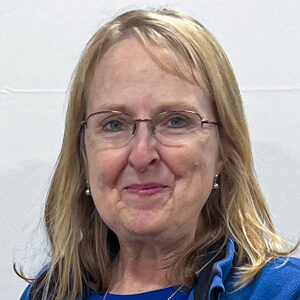
Cara Coffman, SOAR 365
Cara Coffman

Cara Coffman is the director of pediatric therapy at SOAR365 and holds a master’s in developmental psychology. She has more than thirty years of experience in assessment, early identification, and intervention for children ages birth to three years with developmental delays.

Advertisement
Advertisement
Advertisement

Explore More

RVA Family Fun

Celebrating Black History in Richmond

February 4, 2026By Lindsay Garrison
Parenting Tips

How to Get Your Child to Practice Without Arguments (and Make Music Fun!)

January 28, 2026By Emily Payne
A Sabot Summer - Richmond VA Summer Camp
Sponsored Content

A Sabot Summer is Back and Better Than Ever!

January 26, 2026By RFM Team
Half Page Ad
Featured Events

    2026 RFM Summer Camps & Activities Expo

    Mar 7, 2026
    2301 West Leigh Street, Richmond, VA

    Senior Science: Dome Night (60+)

    Feb 10, 2026
    2500 West Broad St

    GLOW

    Feb 7, 2026
    2500 W Broad St Richmond VA

    First Fridays

    Feb 6, 2026
    -
Medium Rectangle Ad
Richmond Family Magazine
Facebook X (Twitter) Pinterest Instagram YouTube LinkedIn

Magazine

  • About Us
  • Advertise
  • Submissions
  • Contact

RFM Events

  • View Calendar
  • Events by Location
  • Come See Us Events
  • Submit Your Event
  • Summer Camp Expo

Directories

  • Summer Camps
  • Party Finder
  • Private Schools
  • Preschools

Let's Keep Connected

Subscribe to our free newsletter to receive the latest content, events, and giveaway entry notifications. 

© 2026 Richmond Family Magazine. Publishing Platforms by Modus Works.
  • Privacy Policy
  • Terms of Use

Type above and press Enter to search. Press Esc to cancel.