
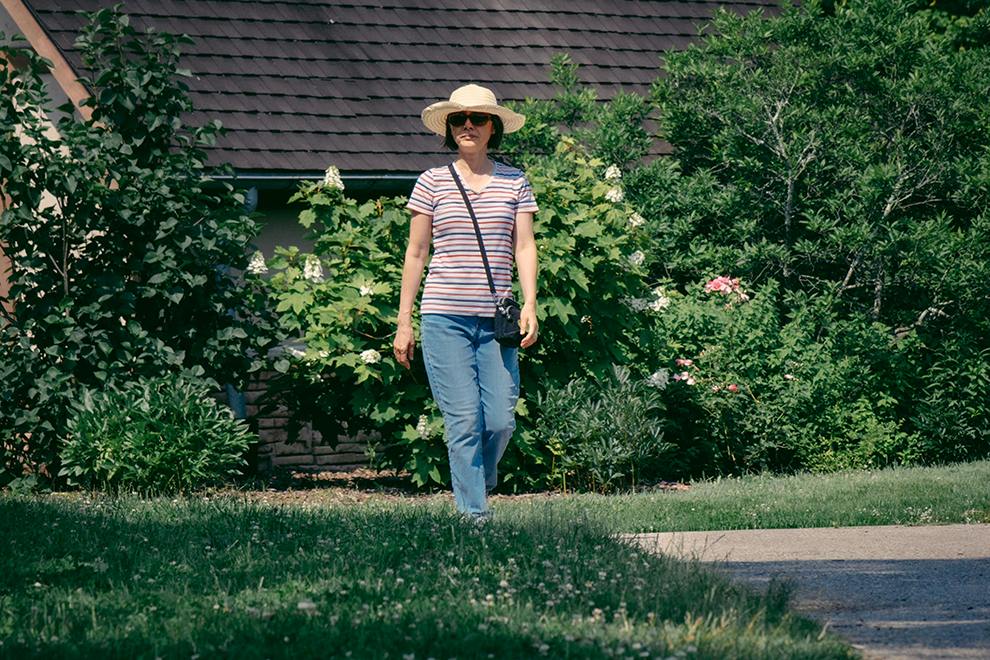
Congratulations! You’re one of eight billion people who get to experience this amazing place called Earth. You get to inhabit it, explore it, and take in its wonder. In Virginia, we’re especially lucky because we have no shortage of wonder all around us, from the mountains to the ocean.
The diverse, beautiful environment in Virginia also gives us the opportunity to contribute to the greater understanding of Earth through participatory science. Participatory science is a collaboration between scientists and public volunteers to gather new knowledge about the world and what makes Earth so special. There are all kinds of participatory science programs created by scientists in Virginia and around the world that offer the chance to be inspired and increase the collective knowledge of our wondrous planet.
Participatory Science Opportunities
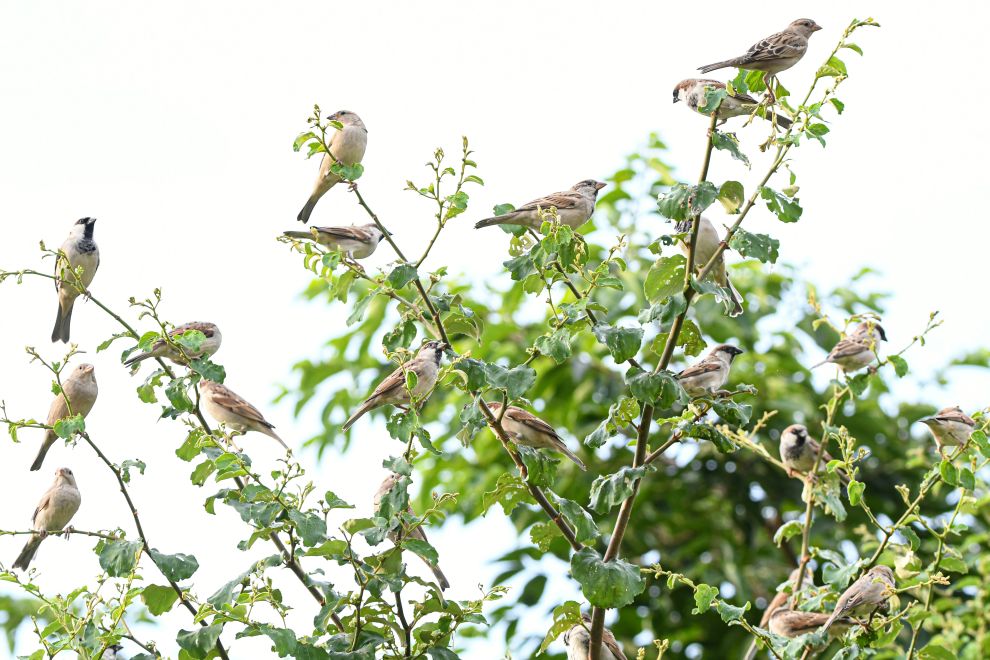
Get to know the birds in your own neighborhood. Observe birds year-round and submit your observations to help both scientists and bird conservationists. By documenting your observations, you are helping keep track of bird populations, habitat ranges, and migration patterns. Check out the Cornell Lab of Ornithology (birds.cornell.edu) for a birding project that fits your interests.
Think about how trees participate in the larger ecosystem. By measuring the circumference and height of a tree, scientists are able to estimate how much carbon is stored in a tree and the overall health of the ecosystem. This is important for forest and wildlife management and better understanding of the carbon cycle. Understanding how much carbon is stored and transferred between trees and the atmosphere is also important to understanding and preparing for the effects of a changing climate. You can help NASA scientists by collecting data about the trees in your neighborhood in the GLOBE Observer app.
Independent Learning Opportunities
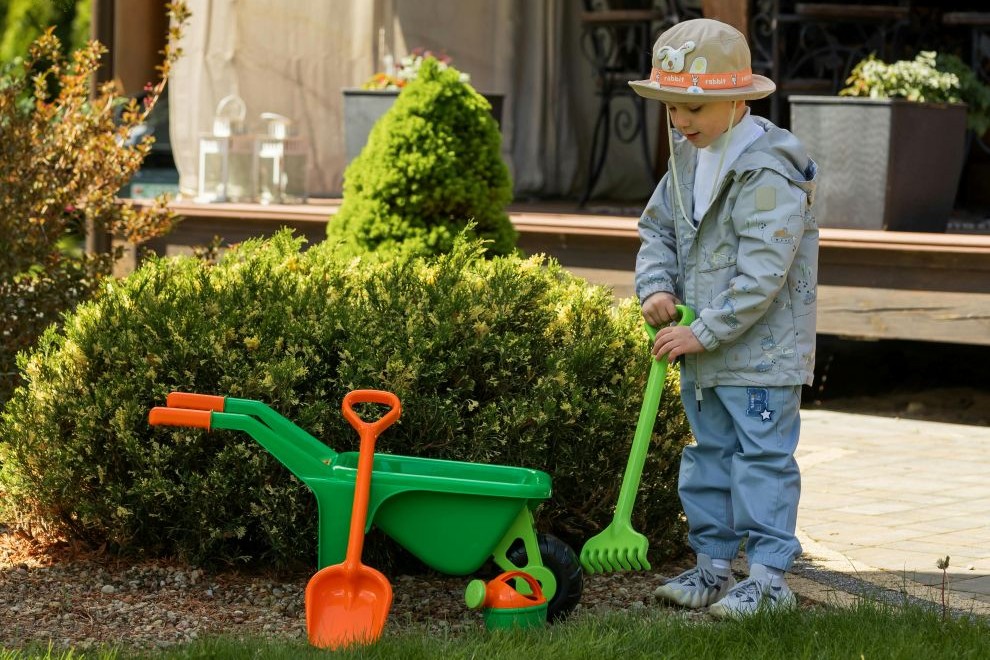
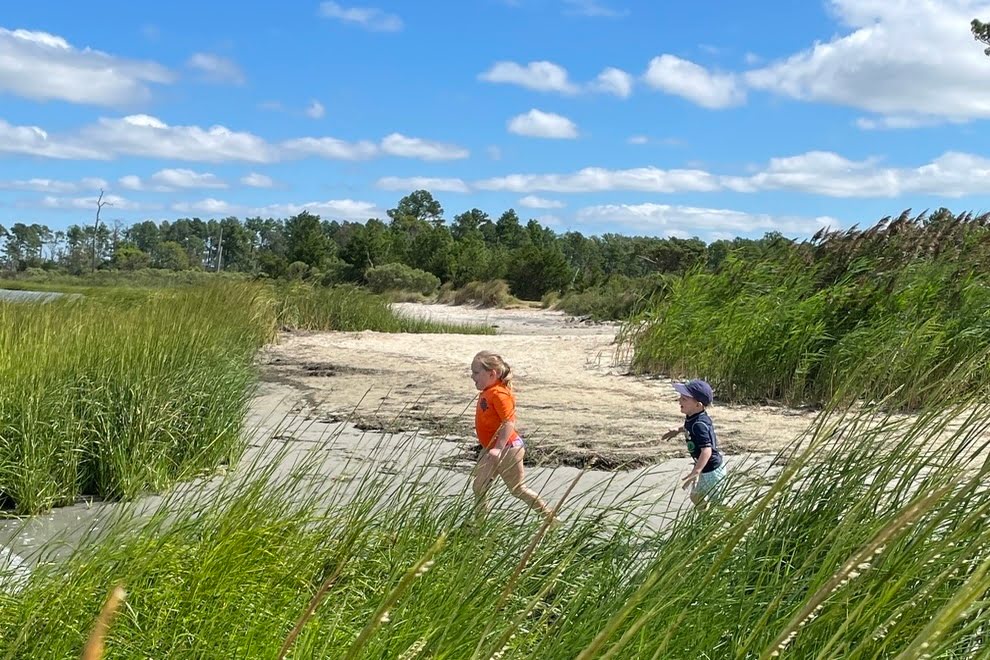
Spend time outside. You may start to notice plants and animals that you’ve never seen before. You can keep track of all your observations in a nature journal — include details like the date, the weather, and what you noticed about the plants and animals around you. By writing down these observations in your nature journal, you’ll know what plants and animals to look out for next year.
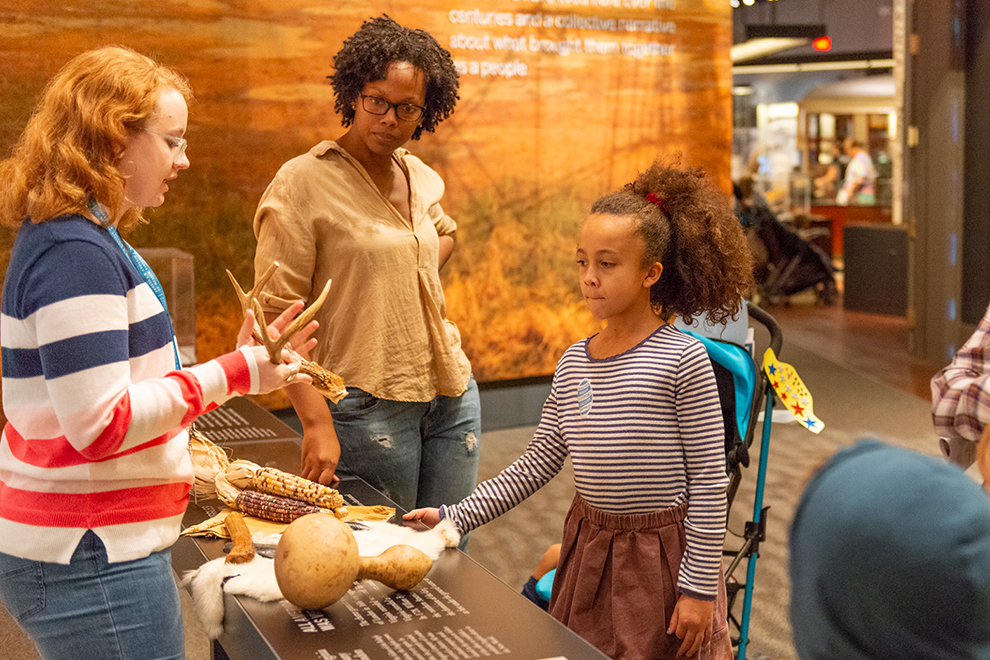
Learn about nature all around you. Take advantage of museum programming like summer camps, field trips for kids, and experiences for all ages.
Look online. You can also check out websites like iNaturalist, SciStarter, and Zooniverse for participatory science challenges and scientific data collection.
Taking part in participatory science programs can further pique your curiosity in the world around you and help inspire that interest in other people too!