I’ve always loved back-to-school season. Each year, I’d get excited for my new classes, the start of a new grade level, and all the possibilities that came with a new semester. Don’t even get me started on the excitement of new school supplies and a new first-day-of-school outfit.
I’ve always loved learning, too. I enjoyed the discussion of a novel in English class and the moment a difficult concept finally clicked in math class. I liked the feeling of getting good grades, knowing more than I knew the day before, and working toward the ultimate goal of getting into college, graduating, and getting a job.
Then, in the blink of an eye, I was finished learning. I’d graduated college and gotten a job. I remember sitting in my apartment after my new 9–5 wondering what I should do with my free time now that I didn’t have homework to do. Watch TV? Walk the dog? Go back to school?
Of course, I wasn’t actually finished learning. I was just finished with the kind of learning I’d known my entire life. For nearly two decades, learning had come with a curriculum. Someone told me what I needed to know, handed me a textbook, and eventually gave me a test to see if I’d properly absorbed the material. I learned multiplication and division, memorized state capitals, wrote essays about topics I’d never even heard of before, and studied plenty of things I’ve long since forgotten.
Life, I’ve realized, comes with just as many — if not more — lessons. They’re just harder to recognize because there’s no syllabus guiding the way.
I found myself thinking about that while working on this issue’s feature about four Richmond women who took their lives and careers in new, unexpected directions. Their stories are all very different, but as I talked to each of them, I noticed a common thread: long after their formal education ended, they continued learning — mostly about themselves. They learned what fulfilled them and what didn’t. They learned how to listen to their true calling and learned to trust themselves when that calling led them to follow a different path.
And maybe that’s one of the biggest differences between learning as a child and learning as an adult. When we’re young, so much of our education is about understanding the world around us. As we get older, some of the most important lessons are about understanding ourselves within it.
We learn what brings out the best in us and what makes us feel most like ourselves. We discover strengths we didn’t know we had and interests we never expected to pursue. We learn from the people we love, the things that don’t go according to plan, the chances we take, and even the mistakes we wish we could do over. We learn who we are on our worst days and on our best. We learn who we are as parents, children, friends, partners, individuals.
Maybe that’s what I found so inspiring about the women I interviewed for this issue. Their stories weren’t simply about changing careers. They were reminders of what can happen when we stay curious about our own lives, ask questions, pay attention to what we learn about ourselves, and remain open to where those lessons might lead us.
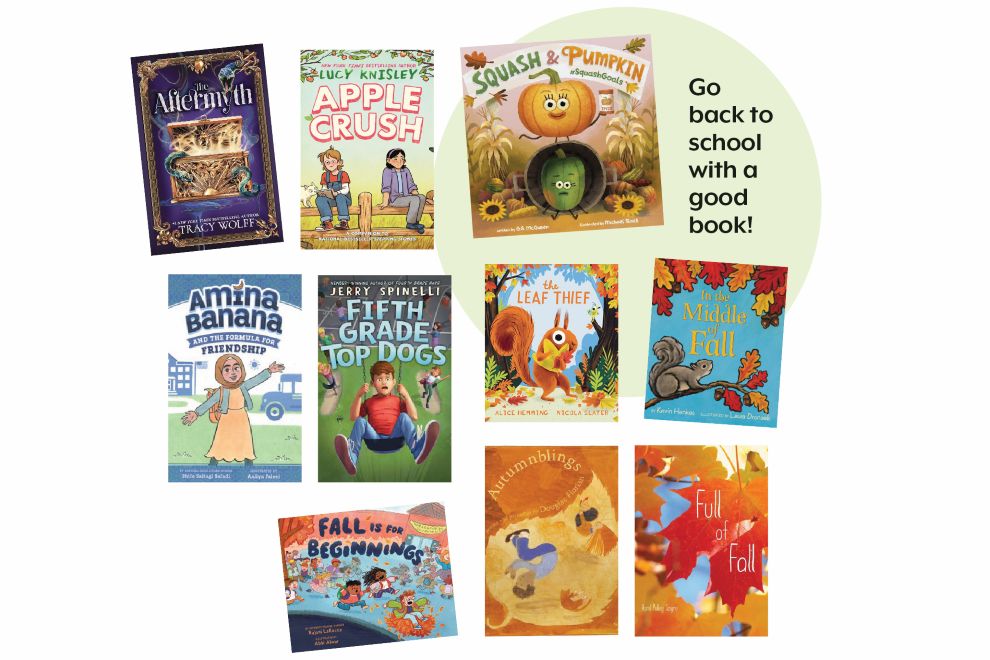
As kids across Richmond head back to school this fall, there will be plenty of lessons on multiplication and division, vocabulary words, and science experiments. There will be tests to study for, books to read, and new skills to learn. And as parents, grandparents, teachers, and caregivers, we’ll spend plenty of time helping them along the way.
But I hope they also learn that their education doesn’t have to have an expiration date. They don’t have to have everything figured out by graduation day. They’re allowed to change their minds, discover new interests, ask new questions, and become someone they never imagined they’d be. And perhaps one of the best ways we can teach them that is by continuing to do those things ourselves.