

Your daughter comes home from school looking sad and a little worried. She tells you she doesn’t like school anymore and doesn’t want to go back. After a little coaxing, you find out that a classmate has been shoving her, calling her names, and won’t let her play with the other girls on the playground. Your daughter is only four. As this new school year gets underway, it is vital for parents to talk to their kids about what bullying at school looks like, even to children in the preschool set.
“Bullying in preschool is more common than most people think,” says Lorrie Zampetti, a preschool teacher who has worked at Kids in Discovery preschool in Henrico County for a dozen years. Zampetti describes bullying as “intentionally aggressive behavior that occurs over time. It can be physical, verbal or social.” The veteran teacher says bullying can begin as early as age three. Before that, children Have not developed a capacity for empathy and their actions would not be considered premeditated or purposeful. After age three, premeditated emotional or physical action can occur.
What Bullying Looks Like
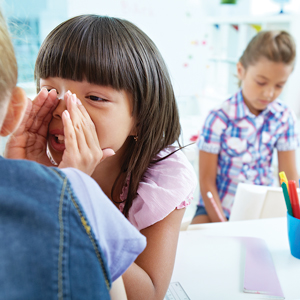
Bullying behavior may include: pushing, hitting or kicking; teasing, name-calling, or putting someone down; spreading rumors; or deliberately excluding someone from a group or activity.
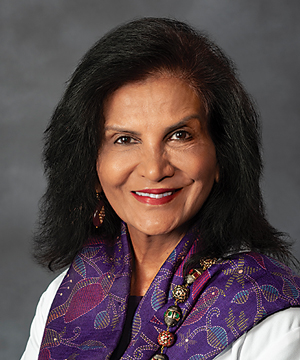
“If it is a one-time event, I wouldn’t be concerned,” says Bela Sood, MD, a child psychiatrist and chair of the division of child and adolescent psychiatry at VCU Medical Center. “If it is repeated patterns of a child shaming other kids, trying to control a situation or gain power, or showing violent behavior, then it is something that needs to be addressed.”
At Canterbury Community Nursery School in Richmond, “We do see some bullying behavior in preschool in the form of ‘You can’t play with me’ or ‘I won’t be your friend’ situations,” says Amy Farina, a teacher there for the past five years. “The children will most often tell the teachers. They have a good sense of what is fair even at this age.”
Canterbury teachers have implemented a policy of You can’t say you can’t play! Based on the book of the same name by Vivian Gussin Paley. “Encouraging the children to let everyone play and introducing them to the idea of empathy really cuts down on us playing referee in such squabbles,” Farina says. “Children learn very early to manipulate situations and people to get what they want. Parents and teachers have to encourage empathy and understanding and set limits on any behavior that is exclusionary.”
Dr. Sood agrees that parents need to set a good example, by helping to instill values such as being kind, gentle, and caring, and showing concern for others.
“Parents have a big influence on kids at this age,” she says. “Children are pleasers. They like to please and do what is right, but it is up to the parents to help their children see what is right and what is wrong.”
Both boys and girls can be bullies, especially at this age, as they try to test their boundaries.
“There can be physical and verbal bullying from both genders, but I do see more physical stuff from the boys, and the girls are very good at emotional and verbal torture,” Farina shares. “I think they understand that what they are doing is hurtful to their friends. They see the reaction on their faces.”
Bullied victims may become withdrawn or depressed, refuse to go to school, or invent excuses to avoid going. They might start putting themselves down.
“There are a number of ways to handle bullying,” says Zampetti. “If the teacher is intervening during the act, he should attend to the victim first, calm them, reassure them and tend to any physical injury.” By ignoring the bully at this point, a clear message is sent that the victim deserves the adult’s attention and inappropriate behavior will not result in the bully receiving the attention he or she is seeking.
How Not to Raise a Bully
Helping students learn to be respectful of one another is an ongoing process in Zampetti’s classroom.
“Teaching children to use their words, ignore the bully, walk away, and speak with an adult are all a part of the process,” she says. “It is also important that the teacher is aware of what the students are doing, knows which students are likely to tussle, and spends floor-time interacting with and modeling appropriate play for the children. In my classroom, there is a zero tolerance rule for bullying.”
Some Richmond parents have a handle on teaching their kids to stand up to bullies. Todd Tuting, a father of three boys, including one preschooler, was picked on often as a child himself, so he wants his children to be especially aware of the dangers.
“I was bullied all the time,” Tuting says, and he adds that bullying had an effect on the kind of person he is today. “It made me a better person, but no one should have to go through it. Yes, my sons have seen kids making fun of other kids or putting them down or not letting them play with them. I despise bullying and teach my children to not do it and to stand up for those who are being bullied.” If they witness this kind of behavior, or it is done to them, Tuting tells his sons to report it to an adult or a teacher immediately. To avoid bullies, he instructs the boys to tell the bully “to stay away, walk away, and don’t pay them any mind of what they say.”
Heather Garnett, a mother of a 4-year-old girl, also has a plan in place to combat bullying. “We tell our daughter to look someone who is bothering her in the eyes and simply say ‘stop.’ If it continues, then she should get the teacher. [Parents need to] talk often about behaviors that bother others. Act out and role-play these behaviors,” Garnett says. “Make sure children know that they could be a bully just as much as they could be bullied.”
Zampetti cautions that not all aggressive behavior from children should be considered bullying. “It is important that all impulsive outbursts not be classified as bullying,” she says. “Most children react without thinking In certain situations, and even more so with preschoolers. Regular conflict helps children learn to compromise, negotiate, and even learn to be empathic. Impulsive spurts that are not targeted, over a period of time, and hurtful, may not be bullying.”
If a parent suspects that a child is being harassed by a classmate, they should avoid overreacting. Instead, “Reassure them that you are there for them, ask your child detailed questions about what he or she perceives is happening, how often, when, and where,” says Zampetti. “Talk with the teacher and ask for regular updates. Help your child with some intervention techniques. Above all, assure your child that he or she is not to blame and that he or she is valued.”
Adds Dr. Sood: “Bullies are clever and subtle. They tend to do it when a teacher’s back is turned. You need to be a strong advocate for your child. Now is the prime opportunity to take this issue seriously. Communication is key. Find out what is going on with your child in a language that your child understands. Encourage your child to talk about their day. Find out what they like, what they didn’t like, try to get a good sense of what your child’s world is like.”
And if your child is the bully?
“Understand that he may have difficulty with relationships, need to feel important, powerful, or in control,” says Zampetti. “Talk about how it feels to be left out, teased, or pushed. Discuss ways to play appropriately and consider being present when the bully and the bullied are together. This can be at or away from school. Do not be defensive when the teacher approaches you about the situation. Instead, try to work together for solutions. These cooperative efforts should have a beneficial outcome for all those involved.”