


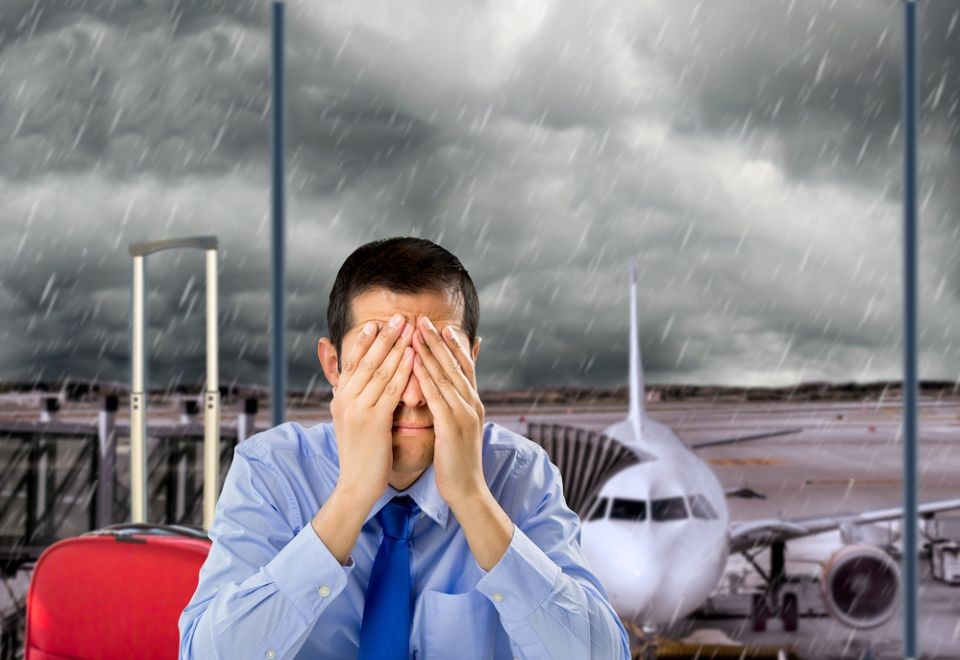
With the summer travel season in full swing, travelers need to be prepared for disruptions caused by fast moving summer storms. The Mid-Atlantic region, including Virginia, has been hit by several rounds of severe weather packing lighting, high winds and heavy rain in the past few days. These kinds of storms can significantly impact airline travel in and out of major airports and hubs, like Atlanta’s Hartsfield-Jackson, Chicago O’Hare, Dallas-Fort Worth, and Charlotte Douglas.
Atlanta’s Hartsfield-Jackson International Airport, which is now the busiest in the world, saw more than 450 flights canceled and 700 others delayed due to severe weather, just as Independence Day travel was getting underway. Thousands of stranded travelers slept in chairs and on the floor as they waited for the Ground Stop to be over.
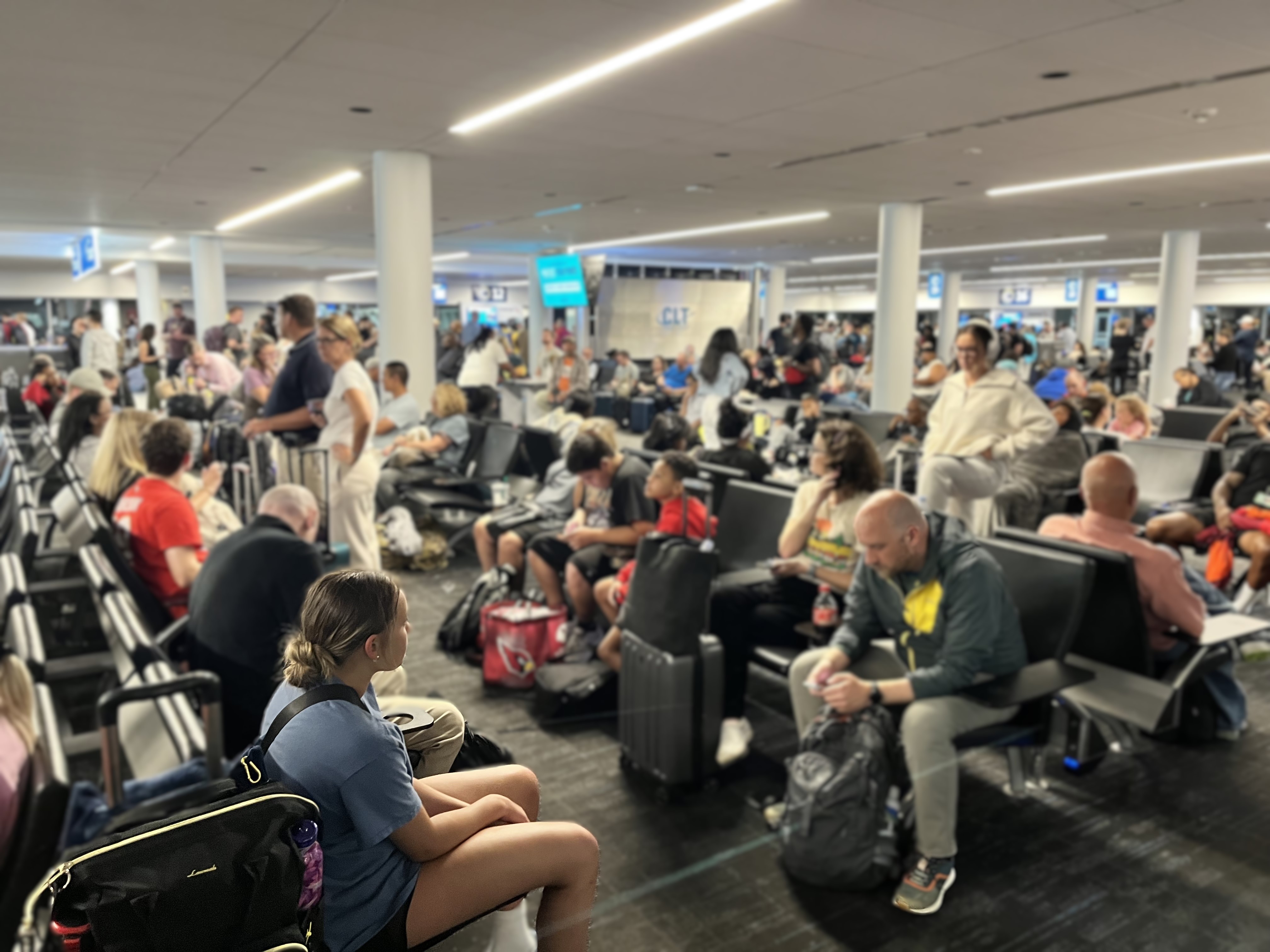
“No one wants to be stuck in an airport during a weather-extended layover, but it happens often during the busy summer travel season,” says Morgan Dean, AAA Mid-Atlantic spokesperson in Virginia. “Travelers should do some things ahead of traveling and pack some things with them in their carry-on to make things better during an unexpected, extended airport stay. “
Five Tips for Avoiding and Weathering Extended Airport Delays:
1. Download your airline’s app and stay logged in. Airline apps are sometimes updated quicker than airport gate desks and monitors at the airport. That brief lead time through the app notifications can help a traveler re-book ahead of the rush of other travelers in the same situation looking for another flight. For those looking to rebook on the phone, consider calling the airline’s international customer relations number. It may be less busy than the domestic call center during storm events and can help travelers rebook more quickly. For travelers who booked with a travel agent, the agent can assist with finding alternative flights.
2. Book an early flight. Not a morning person? Maybe it’s time to fake it! Booking a flight early in the day gives you many more chances to catch a different flight if there are delays and cancellations. Early flights tend to have fewer traffic related delays as there are fewer planes in the air and on the runway and tarmac. Thunderstorms are also more likely to happen in the afternoon and evening and are often the cause of delays and cancellations. When there are issues for late day flights, there are fewer opportunities to rebook.
3. Think like a camper. No one wants to think about sleeping in an airport, but it happens sometimes. Travelers are often reluctant to leave the airport for a hotel for a few hours of sleep, knowing that they would have to come back through the TSA checkpoint the next day when lines could be long. Packing a small travel/camping blanket and a camping pillow can make the airline seats a little more bearable. A change of clothes and some toiletries can also help a traveler refresh after a not-so-nice night of sleeping. Some comfort items can even hang from a backpack and not take up valuable space in that carry-on.
4. Pack essentials. It may be a book, airpods, a tablet or crayons and coloring books. Imagine what you would want to have to help pass the time. Parents, it’s especially important to have things to help keep the kids attention during those delays. Bringing or purchasing snacks and drinks to have on hand can be a lifesaver too if airport shops and restaurants close down overnight.
5. Consider alternative travel options. Large storms can create prolonged problems at airports, especially if they shut down all operations for lightning or other severe weather. Is there a train or bus station nearby where a traveler could finish their journey on the ground? Rental car desks can become overwhelmed in storm situations as passengers consider other options. If the airport desks are out of rental cars, reach out to off-site locations that may have more vehicles on their lots. It may require a taxi or rideshare to get to the location, but it could be a great option for those who can’t wait out the storm at the airport.
“Even if a storm has cleared and the airport has restarted operations, challenges can remain,” says Dean. Airplanes that are supposed to be on-site, could have been diverted. Pilots and cabin crews that waited out the storm, may be close to exceeding their allotted crew time for the day and the airline must now find alternative staff. The airport may also have the issue of running out of available gates if planes that were supposed to have taken off hours earlier are still on the ground.
Travelers that have questions about delayed and cancelled flights and what they’re entitled to receive for their troubles can learn more from the U.S Department of Transportation on the Flyers Rights page. With weather delays, air carriers may not be willing to comp you a meal or a hotel room if you’re stranded for a night.
“No matter how hard you plan and even if you do everything right, things can still go wrong,” says Dean. “Travel insurance can give you some peace of mind on giving you options and protecting your investment if there’s travel disruptions, a medical emergency, or if delays and cancellations prevent you from being able to catch a cruise, meet up with a tour or enjoy your vacation.”
Travelers are encouraged to understand what kind of travel insurance they’re purchasing and to read the fine print on what is and isn’t covered. A Travel advisor can help walk them through all of the different options and coverage levels. AAA’s The Extra Mile recently detailed what travelers should know about travel insurance in this article.