
Close Menu
Richmond Family Magazine
  • Magazine
    • Health & Wellness
      • Children’s Health
      • Women’s Health
      • Men’s Health
      • Senior Health
      • Mental Health
      • Nutrition
    • Family Life
      • RVA Family Fun
      • Food & Recipes
      • Travel
      • Pets
      • Nature
      • Home & Garden
    • Community
      • Publisher’s Page
      • Richmond History
      • Just Joan
      • Nonprofit Spotlight
      • News & Press
      • Featured Folks
    • Parenting
      • Parenting Tips
      • DadZone
      • Civics & Policy
      • Family Finances
      • Legal Advice
      • Safety Tips
    • Arts & Entertainment
      • Books & Authors
      • Museums & Exhibits
      • Theatre & Performance
    • Learning
      • Education
      • Arts & Crafts
      • Science & Technology
  • Directories
    • Summer Camp Finder
    • Party Finder
    • Private School Finder
    • Preschool Finder
  • Calendar
    • View Events by Date & Category
    • View Events by Organizer
    • Submit Your Event
    • Manage Events
      • Submit New Event
      • Account Dashboard
      • Account Logout
  • Giveaways
  • Newsletter
Explore More
  • About Our Magazine
  • RFM Summer Camp Expo
  • Find a Local Copy
  • View Issue Archives
  • Advertising & Media Kit
  • Content Submission Guide
Richmond Family Magazine January/February 2026 Cover
Subscribe Today
Facebook X (Twitter) Instagram Pinterest YouTube LinkedIn
  • About Us
  • Distribution
  • Archives
  • Advertise
  • Camp Expo
  • Contact
Facebook X (Twitter) Instagram Pinterest YouTube LinkedIn
Richmond Family Magazine
  • Magazine
        • Health & Wellness
          • Children's Health
          • Women's Health
          • Men's Health
          • Senior Health
          • Mental Health
          • Nutrition
        • Family Life
          • RVA Family Fun
          • Food & Recipes
          • Travel
          • Pets
          • Nature
          • Home & Garden
        • Community
          • Publisher's Page
          • Richmond History
          • Just Joan
          • Nonprofit Spotlight
          • News & Press
          • Featured Folks
        • Parenting
          • Parenting Tips
          • DadZone
          • Civics & Policy
          • Family Finances
          • Legal Advice
          • Safety Tips
        • Learning
          • Education
          • Arts & Crafts
          • Science & Technology
        • Arts & Entertainment
          • Books & Authors
          • Museums & Exhibits
          • Theatre & Performance
        • Print Edition

          Richmond Family Magazine January/February 2026 Cover
  • Directories
    • Summer Camp Finder
    • Party Finder
    • Private School Finder
    • Preschool Finder
  • Calendar
        • View Events by Date & Category
        • RFM Events by Date
        • View Events by Organizer
        • RFM Event Organizers
        • Submit Your Event
        • RFM Calendar Submission
        • Manage Events
          • Submit New Event
          • Account Dashboard
          • Account Logout
  • Giveaways
  • Newsletter
Subscribe
Richmond Family Magazine
Home
Children's Health

Child Sexual Abuse

Anjali GowdaBy Anjali GowdaFebruary 27, 2017
Facebook Twitter Pinterest LinkedIn Email
Facebook Twitter LinkedIn Pinterest Email

Many of us have memories – some fond, some awkward – of those times when our parents sat us down to discuss sex and sexuality. For some, information from these moments was expanded on through formal education during our middle and high school sexual education classes.

Many children enjoy the benefits of having these sensitive conversations in safe, supportive environments. However, for some, their first encounter with sexual information is through exploitation and victimization. According to the National Child Traumatic Stress Network, one in four girls and one in six boys are victims of sexual abuse. Often, cases go unreported due to a fear of retaliation or harm, threats from perpetrators, and the secretive nature of the abuse. Victims of sexual abuse often experience guilt and shame. They fear others may not believe their reports, or that they will be removed from their home because of the disclosure.

Victims of sexual abuse need strong, warm, nonjudgmental, and supportive environments. Although presentation of symptoms may vary in emotional and behavioral expression, here are some warning signs and characteristics of children who have experienced sexual trauma: anger, difficulty sleeping and recurrent nightmares, anxiety, low self-esteem and self-worth, sadness, hypersexualized behaviors, inappropriate sexual knowledge and use of language, and avoidance of and refusal to remain alone with specific individuals.

Although warning signs can be useful identifiers, some children who experience sexual abuse do not exhibit emotional or behaviorial changes. Therefore, as parents, it is imperative to foster an environment that encourages communication and understanding of safe and unsafe behaviors.

Here are some things families can do:

1. Educate children in anatomically correct names for private body parts. Often because it is considered a cultural faux pas, we shy away from using accurate terminology. Have these conversations early with children, and teach them to care for their own private body parts.

2. Empower children to make decisions about their bodies. Children should be encouraged to say “no” if they feel uncomfortable with a touch, even if the form of touch is non-threatening (i.e. a hug). Identify the differences between “okay” and “not okay” touches.
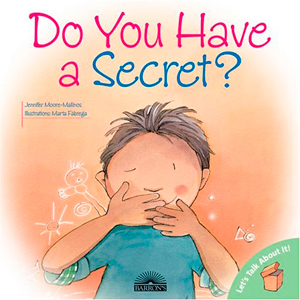
3. Discuss the differences between good secrets and bad secrets. Children should be encouraged to approach trusted adults when they feel unsafe. Do You Have a Secret?  by Jennifer Moore-Mallinos is a wonderful book for discussing this topic.

4. Teach vigilance. We frequently teach children to be cautious of strangers, often overlooking that a majority of perpetrators are familiar and trusted individuals.

If a child discloses sexual abuse, it is important to remain calm. Child disclosure of harm may illicit strong emotions for adults. However, a parent’s negative reaction makes future communication difficult for children. Avoid placing blame and believe your child. During their disclosure, children need a listening ear, reassurance, and support. Praise your child for approaching you with this topic. Lastly, protect your child by ensuring there are no interactions with the abuser, and by reporting the incident to the authorities.

It is never too early to foster healthy communication and equip children with developmentally appropriate knowledge and skills regarding safe sexual behaviors. Remember, you are the expert on your child, so take action if you notice concerning changes in mood and behavior.

Suspect Child Sexual Abuse?

Call Virginia’s Child Abuse Hotline: 1-800-552-7096, and your local Child Protective Services to establish professional care, as treatment is multifaceted and may take considerable time. You can also contact Greater Richmond SCAN (Stop Child Abuse Now) at 804-257-7226.

__________________________________________________________________________

Citation: National Child Traumatic Stress Network Child Sexual Abuse Committee. (2009). Caring for Kids: What Parents Need to Know about Sexual Abuse. Los Angeles, CA & Durham, NC: National Center for Child Traumatic Stress.

Safety
Share. Facebook Twitter Pinterest LinkedIn Email
Previous ArticleRichmond’s Cultural Landmark
Next Article Is It Time for Music Lessons?
Avatar photo
Anjali Gowda

Anjali Gowda, PhD, is a postdoctoral fellow at the Virginia Treatment Center for Children and Partners in Parenting. She specializes in early childhood work with children and families who have experienced trauma.

Advertisement
Advertisement
Advertisement

Explore More

father helping young child in highchair eat healthy food
Mental Health

Gut Feelings

January 2, 2026By Julie Knopp
senior woman walking in the snow
Senior Health

Keeping Seniors Safe This Winter

January 1, 2026By Jennifer Dowda
Dining out with food allergies - RFM cover story JanFeb 2026
Health

Dining Out with Food Allergies

January 1, 2026By Alaina Wong-Canissario
Half Page Ad
Featured Events

    2026 RFM Summer Camps & Activities Expo

    Feb 1, 2026
    2301 West Leigh Street, Richmond, VA

    Winter Admissions Open House

    Jan 22, 2026
    6627 Jahnke Road

    Back to the Future

    Jan 20, 2026
    6 N Laurel St

    Friendship Circle of Virginia’s 3rd Annual Disability Expo

    Jan 18, 2026
    2301 W Leigh St.
Medium Rectangle Ad
Richmond Family Magazine
Facebook X (Twitter) Pinterest Instagram YouTube LinkedIn

Magazine

  • About Us
  • Advertise
  • Submissions
  • Contact

RFM Events

  • View Calendar
  • Events by Location
  • Come See Us Events
  • Submit Your Event
  • Summer Camp Expo

Directories

  • Summer Camps
  • Party Finder
  • Private Schools
  • Preschools

Let's Keep Connected

Subscribe to our free newsletter to receive the latest content, events, and giveaway entry notifications. 

© 2026 Richmond Family Magazine. Publishing Platforms by Modus Works.
  • Privacy Policy
  • Terms of Use

Type above and press Enter to search. Press Esc to cancel.