
Close Menu
Richmond Family Magazine
  • Magazine
    • Health & Wellness
      • Children’s Health
      • Women’s Health
      • Men’s Health
      • Senior Health
      • Mental Health
      • Nutrition
    • Family Life
      • RVA Family Fun
      • Food & Recipes
      • Travel
      • Pets
      • Nature
      • Home & Garden
    • Community
      • Publisher’s Page
      • Richmond History
      • Just Joan
      • Nonprofit Spotlight
      • News & Press
      • Featured Folks
    • Parenting
      • Parenting Tips
      • DadZone
      • Civics & Policy
      • Family Finances
      • Legal Advice
      • Safety Tips
    • Arts & Entertainment
      • Books & Authors
      • Museums & Exhibits
      • Theatre & Performance
    • Learning
      • Education
      • Arts & Crafts
      • Science & Technology
  • Directories
    • Summer Camp Finder
    • Party Finder
    • Private School Finder
    • Preschool Finder
  • Calendar
    • View Events by Date & Category
    • View Events by Organizer
    • Submit Your Event
    • Manage Events
      • Submit New Event
      • Account Dashboard
      • Account Logout
  • Giveaways
  • Newsletter
Explore More
  • About Our Magazine
  • RFM Summer Camp Expo
  • Find a Local Copy
  • View Issue Archives
  • Advertising & Media Kit
  • Content Submission Guide
Richmond Family Magazine January/February 2026 Cover
Subscribe Today
Facebook X (Twitter) Instagram Pinterest YouTube LinkedIn
  • About Us
  • Distribution
  • Archives
  • Advertise
  • Camp Expo
  • Contact
Facebook X (Twitter) Instagram Pinterest YouTube LinkedIn
Richmond Family Magazine
  • Magazine
        • Health & Wellness
          • Children's Health
          • Women's Health
          • Men's Health
          • Senior Health
          • Mental Health
          • Nutrition
        • Family Life
          • RVA Family Fun
          • Food & Recipes
          • Travel
          • Pets
          • Nature
          • Home & Garden
        • Community
          • Publisher's Page
          • Richmond History
          • Just Joan
          • Nonprofit Spotlight
          • News & Press
          • Featured Folks
        • Parenting
          • Parenting Tips
          • DadZone
          • Civics & Policy
          • Family Finances
          • Legal Advice
          • Safety Tips
        • Learning
          • Education
          • Arts & Crafts
          • Science & Technology
        • Arts & Entertainment
          • Books & Authors
          • Museums & Exhibits
          • Theatre & Performance
        • Print Edition

          Richmond Family Magazine January/February 2026 Cover
  • Directories
    • Summer Camp Finder
    • Party Finder
    • Private School Finder
    • Preschool Finder
  • Calendar
        • View Events by Date & Category
        • RFM Events by Date
        • View Events by Organizer
        • RFM Event Organizers
        • Submit Your Event
        • RFM Calendar Submission
        • Manage Events
          • Submit New Event
          • Account Dashboard
          • Account Logout
  • Giveaways
  • Newsletter
Subscribe
Richmond Family Magazine
Home
Health

Life After Brain Injury

Kathryn PruettBy Kathryn PruettAugust 29, 2014
Facebook Twitter Pinterest LinkedIn Email
Facebook Twitter LinkedIn Pinterest Email

A toddler falling down the stairs, a teen taking a hit at a sports game, a parent being involved in a car accident, or a grandfather slipping in the shower. Brain injury can occur at any point across the age spectrum. When an individual suffers a brain injury, the family system is dramatically affected.

There are six stages of acceptance according to the Academy of Certified Brain Injury Specialists. Initially, family members may be in shock, hoping for a full recovery for their loved one. As time goes on, they begin to recognize the severity of the injury and often feel helpless, frustrated, annoyed, and increasingly exhausted. They also may feel profound sadness and grief over the loss of their loved one’s personality. Once family members begin accepting their new reality, they are prepared to address the needs of the entire family unit.

Occupational therapy is the holistic approach that considers all aspects of life, from the activities in which people engage while awake to how well they sleep at night. Therapists take into consideration factors such as the mental, spiritual, and psychological well-being of their patients. They also look at the support system, culture, values, and environment, which make up their quality of life.

During occupational therapy, time is spent analyzing the roles and activities that are most meaningful to individuals. From there, clinicians determine the biomechanical and rehabilitative approaches, or compensatory strategies, that can be used to reengage people in their activities of daily living, often referred to as ADLs. These activities may include complex tasks like preparing a meal, managing finances, and returning to work, or simply mastering basic care, such as relearning how to use a utensil at mealtime.

Occupational therapy services are most effective when family members are able to actively participate. Having family support allows individuals to translate the skills learned during therapy into practice at home. This is important as research suggests that continued repetition of learned skills can repair brain damage and create new neural pathways in the brain.

Families may have a hard time acclimating to their roles when dealing with the new dynamics a brain injury creates. Frequently, individuals with brain injury report feeling like a burden to their families and wishing they could do something to help. Occupational therapists encourage families to promote their loved ones’ independence and create a home environment in which they can best function. This allows the individuals with brain injury to participate in their own care, while providing a level of comfort for everyone.

Many family members fall into the role of full-time caregiver and, due to time constraints and exhaustion, neglect the importance of focusing on their own well-being. To prevent caregiver burnout and foster the ability to offer more meaningful support in the long run, occupational therapists often recommend that families seek the assistance of other relatives, friends, or hired workers. Even an hour or two can provide enough relief to make a difference.

In addition to therapy, a variety of clinical and support services can prove helpful. Medical psychology is valuable in the process of recognizing and overcoming obstacles to emotional well-being that can accompany brain injury. Day-long recreation programs are also good for overall well-being, offering opportunities for supervised social, recreational, and wellness activities, along with respite for family caregivers. Exercise-based programs designed to help people with neurological illness or injury can improve physical strength, endurance, and balance.

The Brain Injury Association of Virginia (biav.net) is another excellent resource for families to learn about the Richmond area’s support services.


Share. Facebook Twitter Pinterest LinkedIn Email
Previous ArticleTake a Closer Look at Cash Flow
Next Article Learning Separately in Today’s Classrooms
Avatar photo
Kathryn Pruett
  • Website

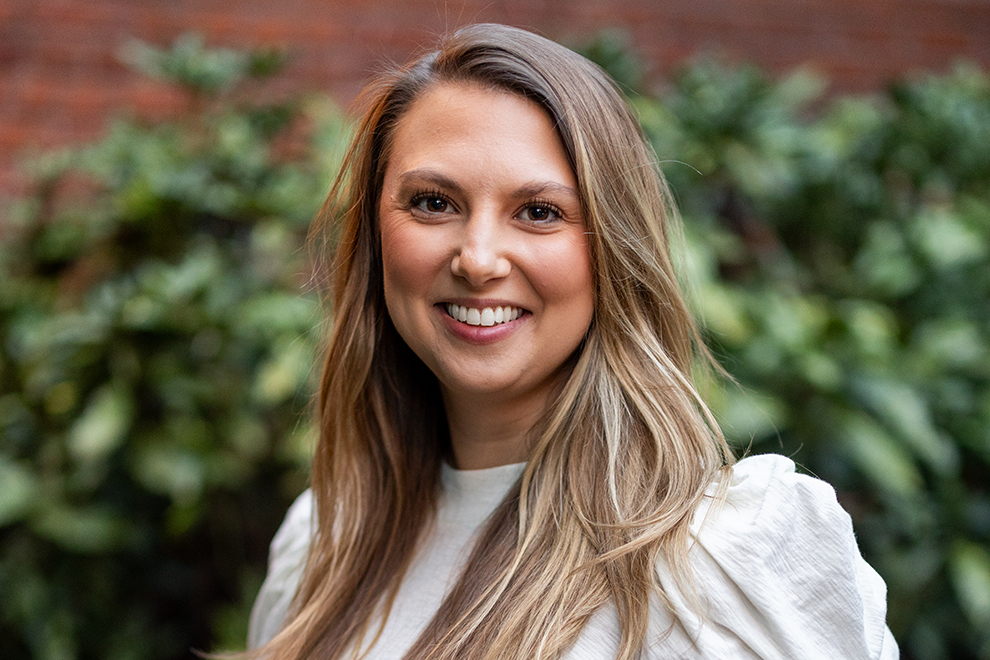
Kathryn Pruett, OTR/L, CBIS is an occupational therapist at Sheltering Arms. She has been in the profession for ten years and is the mother of a young son.

Advertisement
Advertisement
Advertisement

Explore More

A pregnant woman drinking ginger tea
Women's Health

5 Essential Things to Help with Morning Sickness

January 9, 2026By Maggie Lincoln, M.D.
father helping young child in highchair eat healthy food
Mental Health

Gut Feelings

January 2, 2026By Julie Knopp
Health Brigade - Richmond, VA
Nonprofit Spotlight

Health Brigade

January 1, 2026By Julie M. Sulik
Half Page Ad
Featured Events

    2026 RFM Summer Camps & Activities Expo

    Feb 1, 2026
    2301 West Leigh Street, Richmond, VA

    Winter Admissions Open House

    Jan 22, 2026
    6627 Jahnke Road

    Back to the Future

    Jan 20, 2026
    6 N Laurel St

    Friendship Circle of Virginia’s 3rd Annual Disability Expo

    Jan 18, 2026
    2301 W Leigh St.
Medium Rectangle Ad
Richmond Family Magazine
Facebook X (Twitter) Pinterest Instagram YouTube LinkedIn

Magazine

  • About Us
  • Advertise
  • Submissions
  • Contact

RFM Events

  • View Calendar
  • Events by Location
  • Come See Us Events
  • Submit Your Event
  • Summer Camp Expo

Directories

  • Summer Camps
  • Party Finder
  • Private Schools
  • Preschools

Let's Keep Connected

Subscribe to our free newsletter to receive the latest content, events, and giveaway entry notifications. 

© 2026 Richmond Family Magazine. Publishing Platforms by Modus Works.
  • Privacy Policy
  • Terms of Use

Type above and press Enter to search. Press Esc to cancel.