
Close Menu
Richmond Family Magazine
  • Magazine
    • Health & Wellness
      • Children’s Health
      • Women’s Health
      • Men’s Health
      • Senior Health
      • Mental Health
      • Nutrition
    • Family Life
      • RVA Family Fun
      • Food & Recipes
      • Travel
      • Pets
      • Nature
      • Home & Garden
    • Community
      • Publisher’s Page
      • Richmond History
      • Just Joan
      • Nonprofit Spotlight
      • News & Press
      • Featured Folks
    • Parenting
      • Parenting Tips
      • DadZone
      • Civics & Policy
      • Family Finances
      • Legal Advice
      • Safety Tips
    • Arts & Entertainment
      • Books & Authors
      • Museums & Exhibits
      • Theatre & Performance
    • Learning
      • Education
      • Arts & Crafts
      • Science & Technology
  • Directories
    • Summer Camp Finder
    • Party Finder
    • Private School Finder
    • Preschool Finder
  • Calendar
    • View Events by Date & Category
    • View Events by Organizer
    • Submit Your Event
    • Manage Events
      • Submit New Event
      • Account Dashboard
      • Account Logout
  • Giveaways
  • Newsletter
Explore More
  • About Our Magazine
  • RFM Summer Camp Expo
  • Find a Local Copy
  • View Issue Archives
  • Advertising & Media Kit
  • Content Submission Guide
Richmond Family Magazine November/December 2025 Cover
Subscribe Today
Facebook X (Twitter) Instagram Pinterest YouTube LinkedIn
  • About Us
  • Distribution
  • Archives
  • Advertise
  • Camp Expo
  • Contact
Facebook X (Twitter) Instagram Pinterest YouTube LinkedIn
Richmond Family Magazine
  • Magazine
        • Health & Wellness
          • Children's Health
          • Women's Health
          • Men's Health
          • Senior Health
          • Mental Health
          • Nutrition
        • Family Life
          • RVA Family Fun
          • Food & Recipes
          • Travel
          • Pets
          • Nature
          • Home & Garden
        • Community
          • Publisher's Page
          • Richmond History
          • Just Joan
          • Nonprofit Spotlight
          • News & Press
          • Featured Folks
        • Parenting
          • Parenting Tips
          • DadZone
          • Civics & Policy
          • Family Finances
          • Legal Advice
          • Safety Tips
        • Learning
          • Education
          • Arts & Crafts
          • Science & Technology
        • Arts & Entertainment
          • Books & Authors
          • Museums & Exhibits
          • Theatre & Performance
        • Print Edition

          Richmond Family Magazine November/December 2025 Cover
  • Directories
    • Summer Camp Finder
    • Party Finder
    • Private School Finder
    • Preschool Finder
  • Calendar
        • View Events by Date & Category
        • RFM Events by Date
        • View Events by Organizer
        • RFM Event Organizers
        • Submit Your Event
        • RFM Calendar Submission
        • Manage Events
          • Submit New Event
          • Account Dashboard
          • Account Logout
  • Giveaways
  • Newsletter
Subscribe
Richmond Family Magazine
Home
Mental Health

How Play Therapy Works

Mark LoewenBy Mark LoewenFebruary 1, 2016
Facebook Twitter Pinterest LinkedIn Email
Facebook Twitter LinkedIn Pinterest Email

For many adults who feel overwhelmed with emotional stress, seeking the help of a professional therapist is common practice.

So, why should it be any different for children?

Even though they may not be able to vocalize their emotions in the same way as adults, children can also experience emotional stress. And despite our best intentions, as parents and caregivers, we can’t always provide the therapeutic support our children may need.

Play therapy can help children overcome stress in a therapeutic environment they relate to, because let’s face it: Children love to play.

Anyone who works with kids knows that toys and games are the best way to engage children. In fact, because playing happens so naturally for children, play therapy has become one of the most effective mental-health treatment methods for children ages two to twelve years old.

Of course, regular and unstructured play is essential for healthy development, but children often lack appropriate opportunities for it. Skilled play therapists can recognize play themes that reflect the child’s emotional needs and use them to help process their concerns. When provided with the opportunity to play at the therapy office, children quickly engage in types of play that promote their healing and growth. For example, children who struggle with separation anxiety often play out the theme of constancy, which includes hiding toys or burying things in the sand. In play, the child has control over how long items are missing. The therapist can also join them in the search for what was lost. Children with frequent nightmares may play out scary situations. Using their imagination, and accompanied by the play therapist, they can gain mastery over their fears and turn into the hero of their story.

We all know how important traditional play is for children, but through play therapy, certain specialized goals may be achieved. Children can learn to take responsibility for their actions, improve their behavior, develop respect and empathy, increase their self-esteem, control intense emotions, adjust to life changes, and resolve traumatic events.

Play therapy can be more structured, during which the counselor incorporates a certain type of playful activity aimed at addressing a specific goal. However, children don’t always need to process their issues verbally.

Play therapists respond to play themes, often saying back to the child what she is doing. Children appropriately interpret this as permission to continue, and delve deeper. A child with difficulties managing her anger may play out a traffic accident. Playing with your child at home, you might respond to crashing cars with a statement like, Come on, play nice! But the counselor joins the child in observing the chaotic plot and reflecting back feelings that may be involved in this type of play. Even though the reason that brought the child to therapy may not be that specific scenario, a skilled therapist uses this type of play to address underlying feelings such as helplessness, fear, or anger. Week after week, children in play therapy continue their play right where they left off. As the process continues, their play evolves. And as their play moves through specific stages, emotions become less overwhelming, and many families note that behavior outside of the sessions improves.

By responding to the child’s play, the therapist allows the child to process unresolved feelings, build a strong sense of self, and gain helpful coping skills – all in a natural manner. Children don’t always realize that play therapy is counseling. And once they see that the therapist doesn’t direct their play, children become even more engaged – even when they know inappropriate behavior may have brought them to therapy.

You might be asking, Could my child benefit from therapy? What kinds of behaviors would make a child a good candidate for play sessions? Many children who benefit from play therapy repeatedly act in ways that are overwhelming to their parents, more so than the average child. Frequent and intense temper tantrums, power struggles, exaggerated worries, or crying spells may be behaviors that have been observed. Reactions fueled by emotions that appear out of proportion can be safely addressed in play therapy. These are usually disruptive behaviors that get in the way of a family’s day-to-day activities and cause significant stress. But children may also internalize their emotions to avoid expressing them with their behavior. Extreme shyness, verbal expressions of low self-esteem, or anxiety around vocalizing their thoughts and feelings may also be signs that a child needs some extra help in the form of play therapy.

Just as adult counseling is more than simply talking to someone, play therapy is much more than simply playing. Play is the language of children and play therapists are trained to speak it. They engage children purposefully and choose each response carefully. And though it might appear as if the child is just playing, children in therapy purposefully communicate through play. It may look as all fun and games, but their play  session is hard work. And as counseling progresses, children (and their parents) notice that they feel better, cope easier, and life becomes manageable.


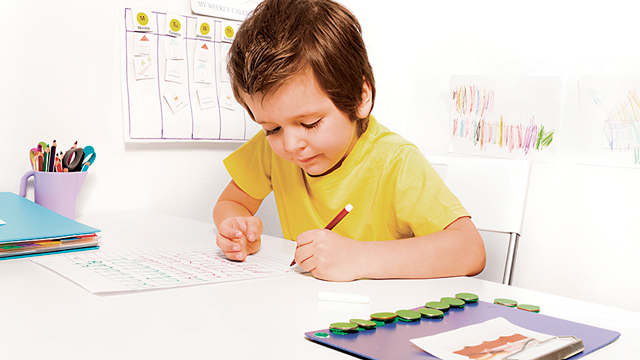
1507_BrainFoodF

Parenting Tips
Share. Facebook Twitter Pinterest LinkedIn Email
Previous ArticleHappy February, Readers!
Next Article Social Needs for Special Kids
Avatar photo
Mark Loewen

Mark Loewen, LPC, founded Launch Pad to help children and adults live happier and more fulfilling lives. His book "What Does a Princess Really Look Like?" tells the empowering story of a girl who discovers her own power through the strength, courage, and determination of a princess. As a counselor, Mark helps others build strong relationships and find fulfillment in their daily lives. He owns Launch Pad Counseling in Richmond.

Advertisement
Advertisement
Advertisement

Explore More

planner with appointments listed
Parenting Tips

Managing the Motherload

November 3, 2025By Kristin Richardson
Multi-generational family eating dinner together
Parenting Tips

Hectic Holidays

November 3, 2025By Lucy Block Rimington
Family eating ice cream cones
Parenting Tips

Recognizing Joy with Our Children

September 1, 2025By Jennifer Selman Flanagan
Half Page Ad
Featured Events

    CarMax Tacky Light Run

    Dec 13, 2025
    13301 N Woolridge Rd, Midlothian, VA

    “Build to Give” with the LEGO Group

    Dec 13, 2025
    6629 Lake Harbour Dr. Midlothian, VA

    Teens Help Out: 3D Pop-Up Holiday Cards

    Dec 10, 2025
    5001 Twin Hickory Road

    18th Century Chocolate Making Demonstrations

    Dec 6, 2025
    428 N Arthur Ashe Boulevard
Medium Rectangle Ad
Richmond Family Magazine
Facebook X (Twitter) Pinterest Instagram YouTube LinkedIn

Magazine

  • About Us
  • Advertise
  • Submissions
  • Contact

RFM Events

  • View Calendar
  • Events by Location
  • Come See Us Events
  • Submit Your Event
  • Summer Camp Expo

Directories

  • Summer Camps
  • Party Finder
  • Private Schools
  • Preschools

Let's Keep Connected

Subscribe to our free newsletter to receive the latest content, events, and giveaway entry notifications. 

© 2025 Richmond Family Magazine. Publishing Platforms by Modus Works.
  • Privacy Policy
  • Terms of Use

Type above and press Enter to search. Press Esc to cancel.