

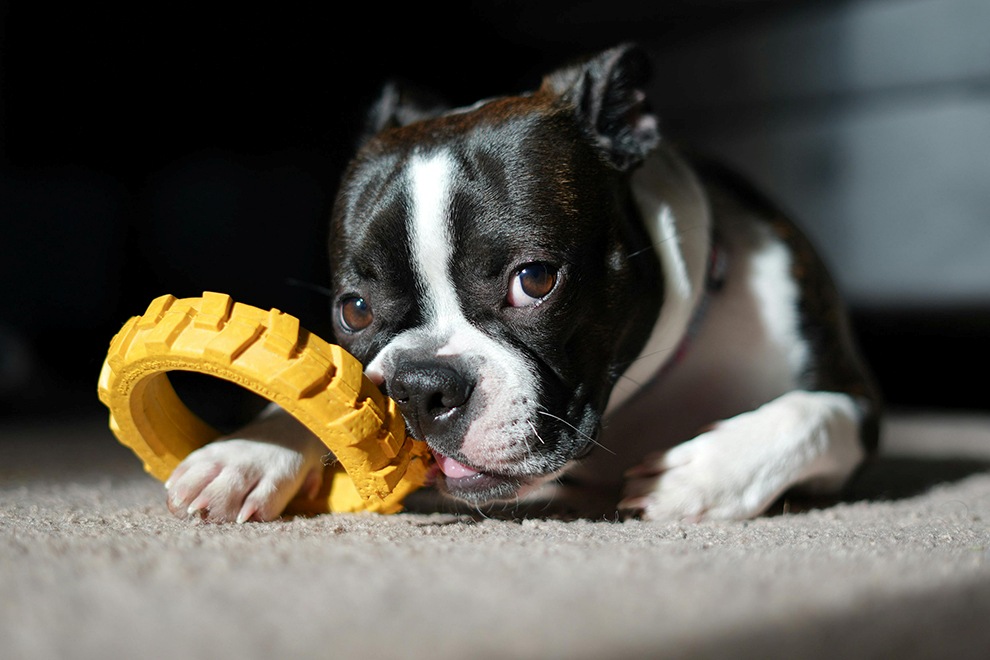
It’s rare to find a dog that doesn’t like toys of some kind. Even if it’s not a traditional stuffed squeaky toy or a tennis ball, most dogs gravitate toward some type of toy or another. Or maybe they make their own “toy” out of a non-toy item like a ball of paper or a stick. Whatever they choose, it makes you wonder: why do dogs choose the toys they do, and why do they act the way they do toward a particular toy? Let’s explore the science behind this.
Dogs Need Toys
Toys are important to our dogs’ development. We seem to know that instinctively, because one of the first things people do when they get a dog is buy them something to play with. Toys provide dogs with mental and physical stimulation. If they’re bored, they reach for their toy. If they need to chew, they’ll go for a toy. And if they just want to rest, they may curl up with their favorite toy. Toys satisfy many different needs for dogs.
Toys can also satisfy their natural instincts. For example, retrievers may be instinctively attached to a ball or frisbee because of their desire to retrieve. Many dogs, particularly hunting breeds, enjoy squeaky toys because they sound like prey when they pounce and chew on them. Female dogs may have an emotional attachment to a toy that reminds them of caretaking a puppy. And of course, some dogs just prefer a good chew toy simply because they like to chew.
Dogs’ Behaviors With Toys
Sometimes toys will evoke an interesting response from your dog. Dogs may feel protective over their toy, have an emotional attachment to it, or even destroy a toy within minutes of receiving it. There’s a lot of conversation among owners whose dogs have emotional responses to their toys, wondering if this kind of behavior is normal or if they should be concerned. The answer is: it depends on the type of behavior.
Acting Obsessive
Obsessive behavior in a dog can manifest itself in many ways: tail chasing, incessant licking, eating non-food items, spinning around, hoarding items, etc. When it comes to toys, one obsessive behavior that is particularly peculiar is whining.
When given a toy, sometimes dogs appear to be upset by it so much so that they’ll begin to pace and whine or cry while carrying the toy around. There are a couple of reasons for this type of behavior. One is just pure excitement — maybe they’re just super excited to have a new toy. It might sound kind of bizarre, but whining and pacing may just be the dog’s way of expressing that excitement.
The dog may also be whining because they’re unable to find a place to bury their new, most valuable possession. Years ago, dogs buried food to hide it from other animals. They did it for their survival, which might explain the instinct to bury “valuable” things — even non-food items — in our domesticated dogs. This is why we sometimes find bones and treats in couch cushions or underneath furniture. If they can’t get outside to bury the item, they will do the next best thing. Whining may express a dog’s irritation at not being able to bury their new toy inside the home.
Destroying Toys
Some dogs just have to destroy every single toy they receive, whether it’s a rubber toy, a tennis ball, or a plush toy (they just have to get the squeaker out and chew it up if they’re not caught in time). And this even goes for toys that are “guaranteed indestructible.”
Research says that dogs will sometimes destroy toys as an outlet for pent up energy or frustration. While we all hope our dogs aren’t frustrated, they could have plenty of pent up energy leading them to destroy or chew up their toys. For example, Jack Russells were bred to hunt. They have an innate impulse to capture and to kill, even if it is just a toy, and they inherently need a job to do. For dogs like this, destroying a toy may somehow seem like a job to them. Tearing apart a toy can provide a sort of mental challenge to a dog that has nothing else better to do. Working dogs and hunting dogs will most certainly act out in some way if their desire to work is not satisfied.
Showing Aggression
Another interesting behavior in dogs when given toys is called resource guarding. This is when a dog shows aggression by growling, showing its teeth, or snapping at a person or another dog if they get too close to something the dog considers valuable. It could be a treat, their food bowl, another person the dog is guarding, or a toy. The dog perceives the approach of another person or dog to be a threat to their valuable toy and is attempting to keep others away.
Historically, resource guarding was pretty important for dogs that lived in the wild. It was their way of ensuring survival as it kept other animals away from their food. It is normal for a dog to protect what is theirs. Generally, resource guarding is thought to be inherited from one or both of the dog’s parents; however, a dog’s upbringing could also provoke the development of resource guarding, particularly if they live in an environment where they have had to squabble with other pets over food, toys, etc.
While most dogs’ relationship to toys is harmless and at times even cute, you should take action if obsessive behavior, irrational or neurotic tendencies, and possession aggression are present in your dog. Resource guarding, particularly, can be a serious problem — if the situation escalates, you or a family member could get hurt. Attempts to correct the behavior can backfire and lead to an even more dangerous problem. If you’re having problems with resource guarding in your dog, it’s recommended that you consult a professional dog trainer for help.
If your dog is exhibiting any of these behaviors toward toys, take a look at their lifestyle and explore possible reasons for their actions. Are they bored? Do they get enough exercise? Do they need a job to do? It just might explain why dogs behave the way they do.