

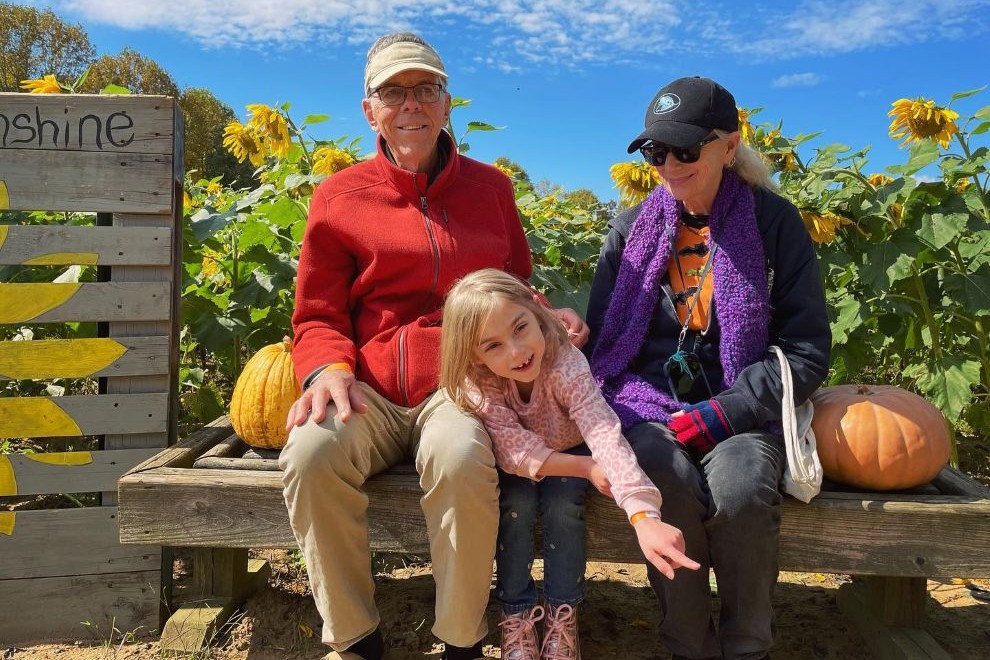
Autism is everywhere: in our schools and clubs, neighborhoods and parks, stores and restaurants, churches and workplaces, and the national news. The Centers for Disease Control and Prevention (CDC) estimates that one in every 31 8-year-olds is autistic.
My involvement with autism began in the fall of 2017 when my granddaughter Angelina was exhibiting signs of autism and was diagnosed right before her second birthday. My family and I have learned a lot about autism since then. Here are six lessons and tips that have been helpful to my family and that can be helpful to all autism and non-autism families alike.
If you’ve met one person with autism, you’ve met one person with autism.
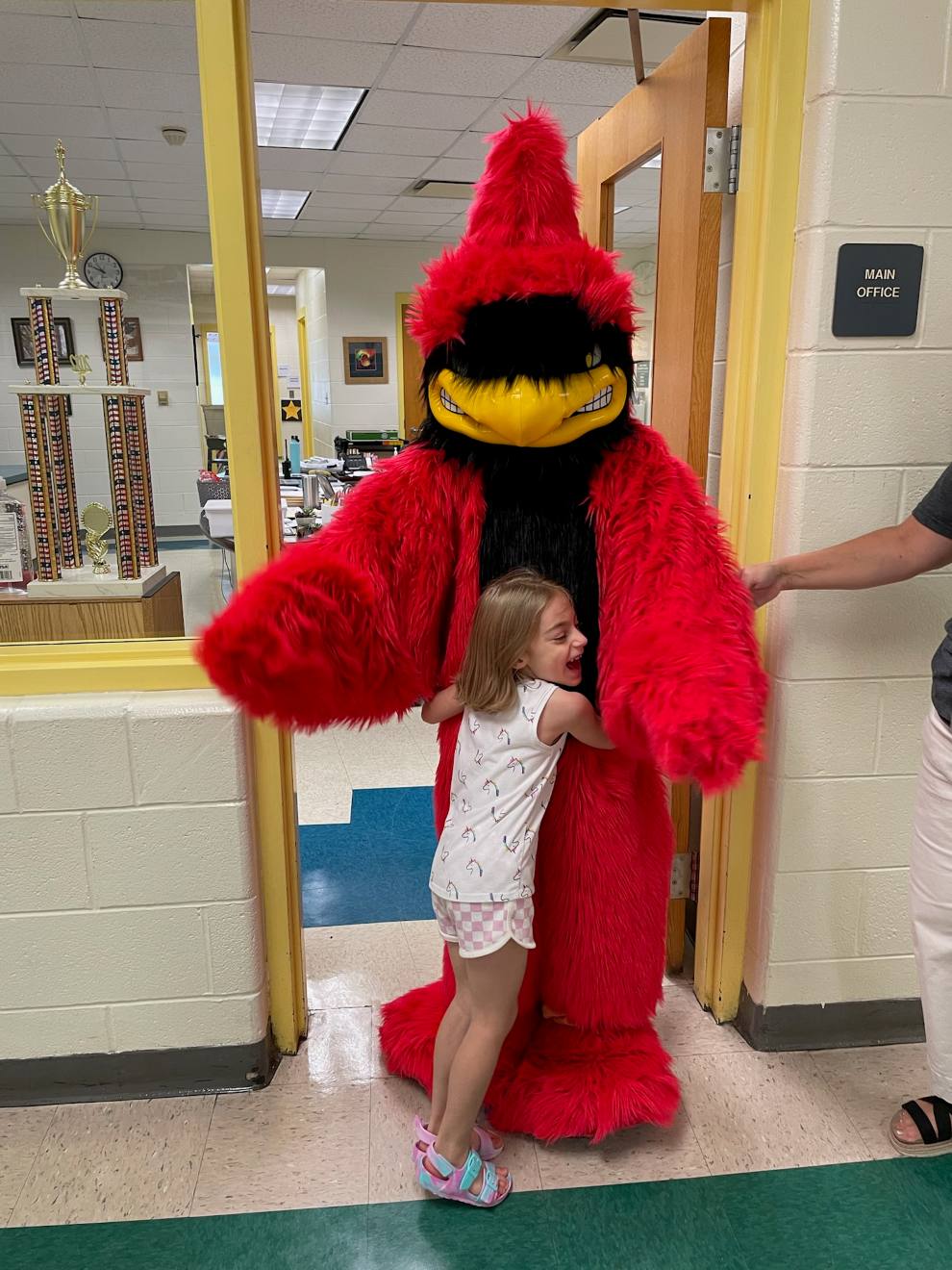
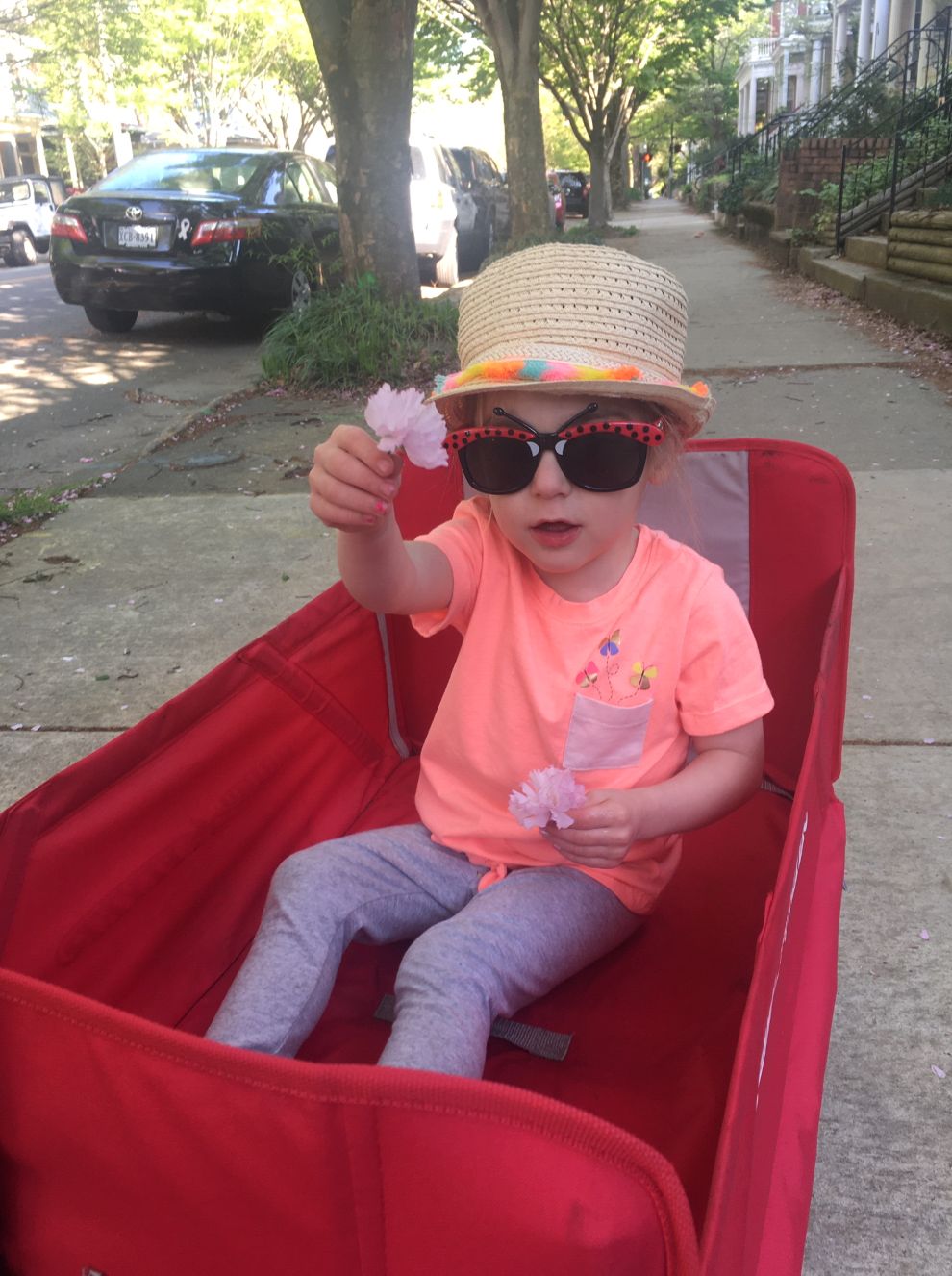
Before Angelina was born, I’d seen depictions of autism in films and TV and had met a couple of autistic children. But that didn’t mean I knew even the basics of autism. I now know that every autistic person is distinctly different from all the others. For example, Angelina loves physical contact, but her long-distance friend Mia absolutely hates it. Angelina speaks neurotypically while her email-friend Elizabeth is non-verbal. There are many different characteristics among autistic people.
There are things you should and shouldn’t say.
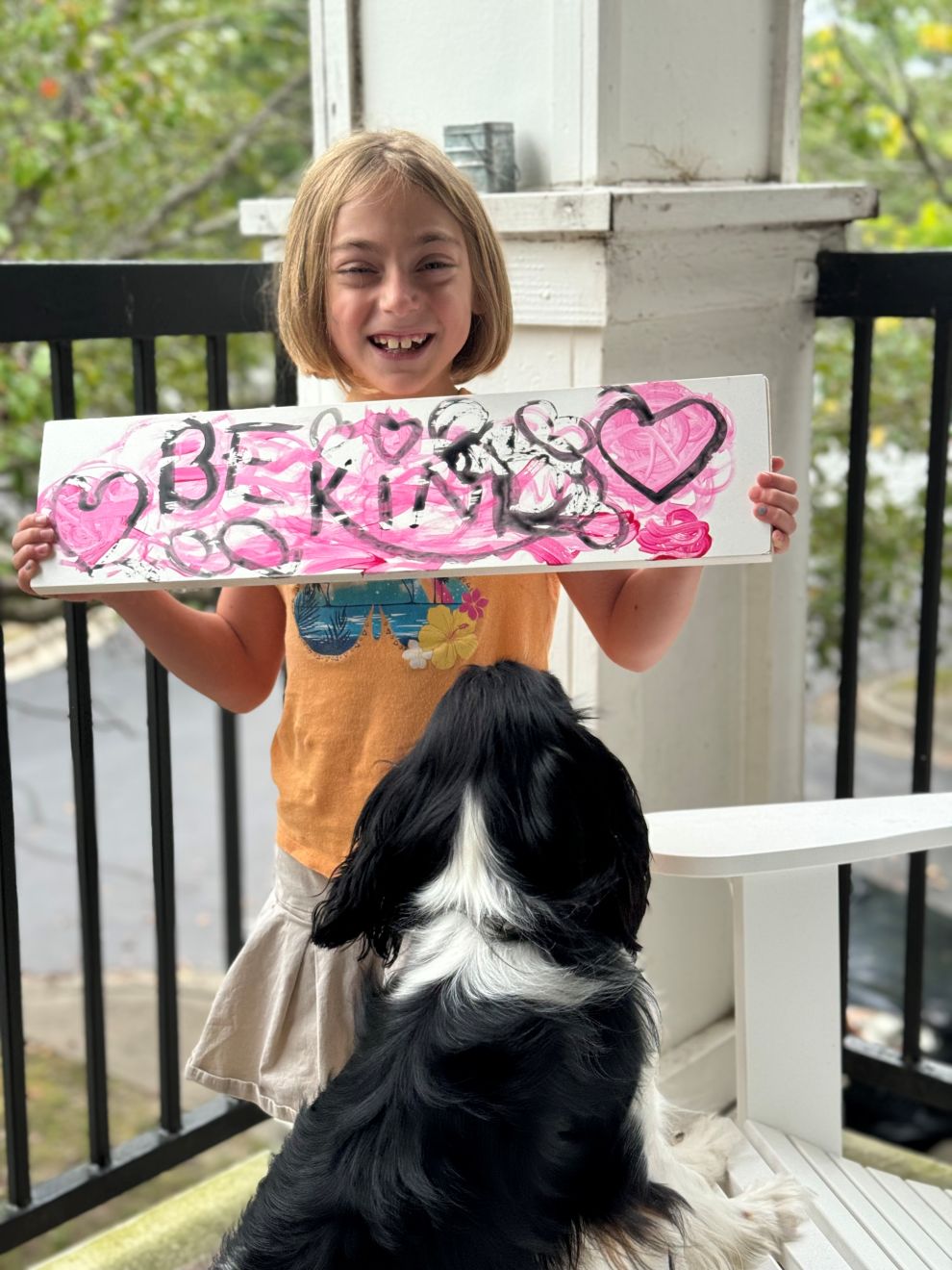
All of us autism families have been on the receiving end of well-meaning but “off-putting” comments. You can find great advice online, but I’ll offer three starter suggestions. First, I don’t question a family’s autism diagnosis or use words like “cause” or “fault” — those things imply blame. Second, when someone tells me their child has been diagnosed with autism, I no longer say, “I’m sorry” but instead say, “I need to learn more about autism; tell me about your child.” And third, I no longer say, “I think I’m a bit autistic at times.” This demonstrates my lack of understanding and empathy regarding autism.
Autistic children (and adults) want friends.
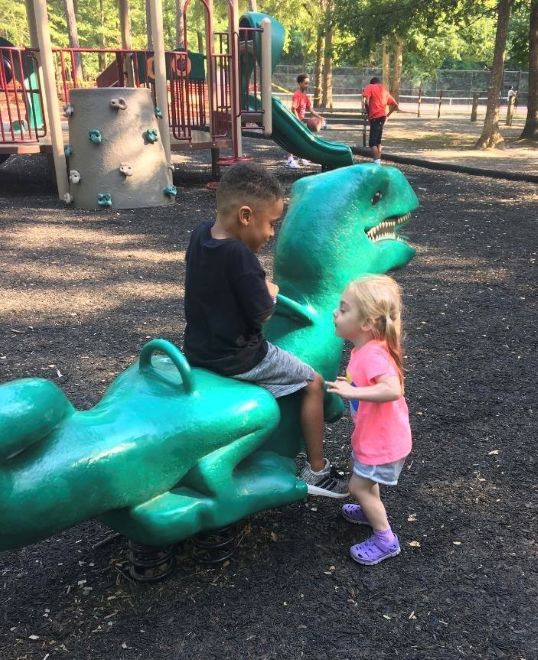
You may have seen autistic kids playing alone and appearing to prefer it that way. But usually, the opposite is true. Most autistic kids crave friendships, relationships, and playtime with other kids, but often their behavior in social situations results in them being left alone. Angelina aggressively seeks friends and playmates, but her abrupt introductions and requests to play are sometimes answered with a curt “No,” after which she plays by herself. Our children can have wonderful learning experiences by reaching out to and interacting with kids who seem different than them.
Autistic kids need champions.
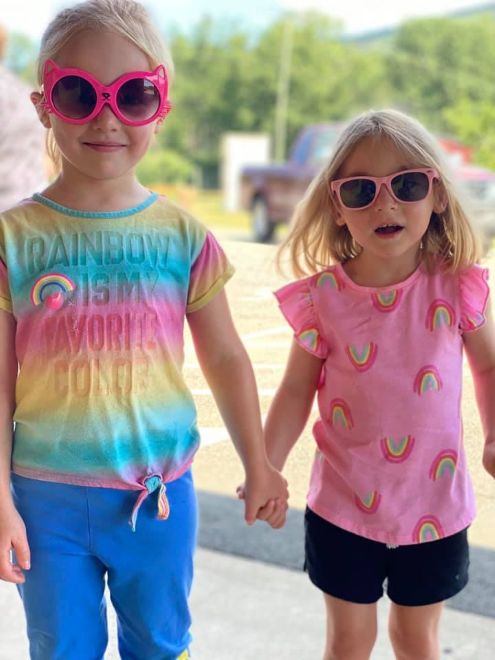
One day Angelina came home from school crying and saying it was the worst day of her life. Some girls in her class told her that she wasn’t smart. Fortunately, another classmate came to Angelina’s defense and committed to always sticking up for her. We can encourage our children to be champions for and friendly towards kids who get bullied for being “different.”
There are things we can do during a public meltdown.
It’s common for autistic kids to have emotional outbursts that range from screaming and kicking to crying and cowering or repetitive self-harm. These behaviors in autistic children aren’t “tantrums,” and autistic kids don’t have much control over them. When we witness a meltdown, we can help clear the area of sensory challenges by moving any obstructions and turning off loud music and bright lights. We can also tell the parent, “Let me know if I can be helpful.” And we shouldn’t offer advice — autism parents are more knowledgeable than us about how to deal with their own children’s meltdowns.
Any family can become autism-aware, autism-considerate, and autism-friendly.
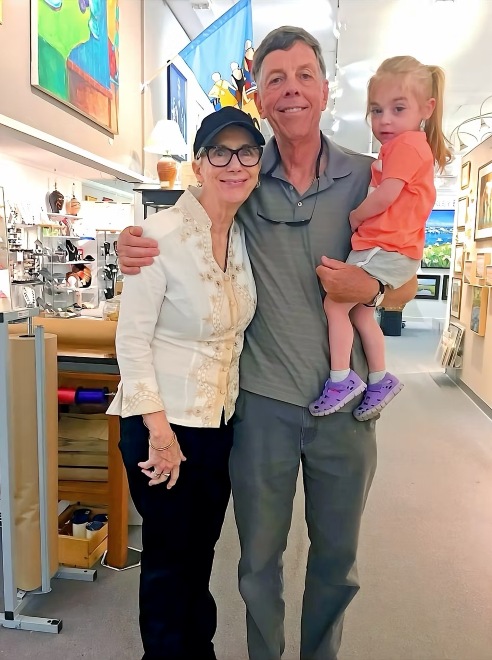
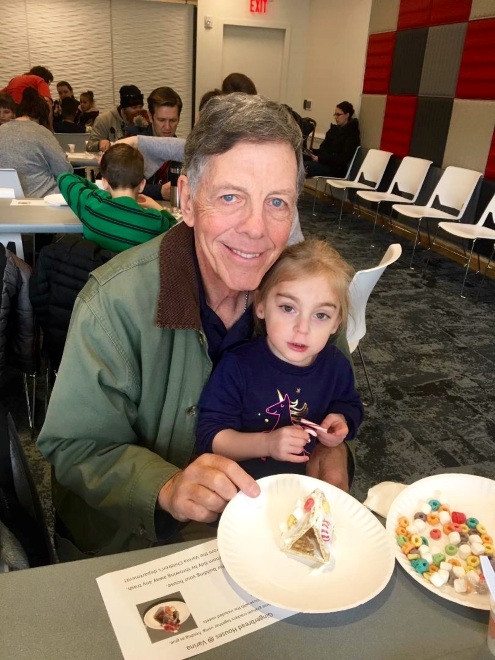
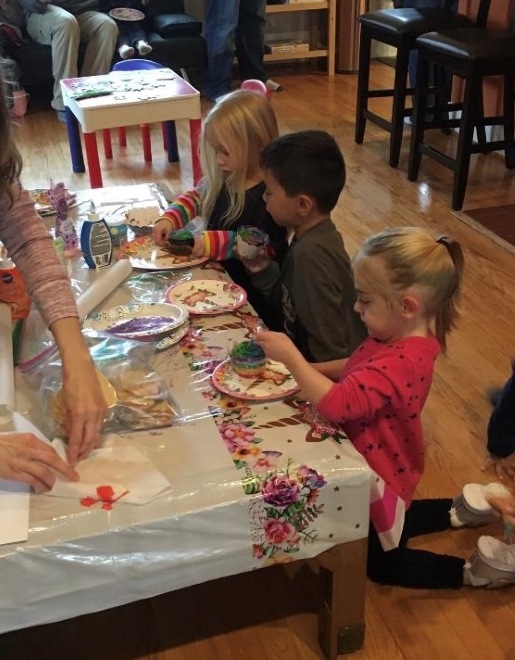
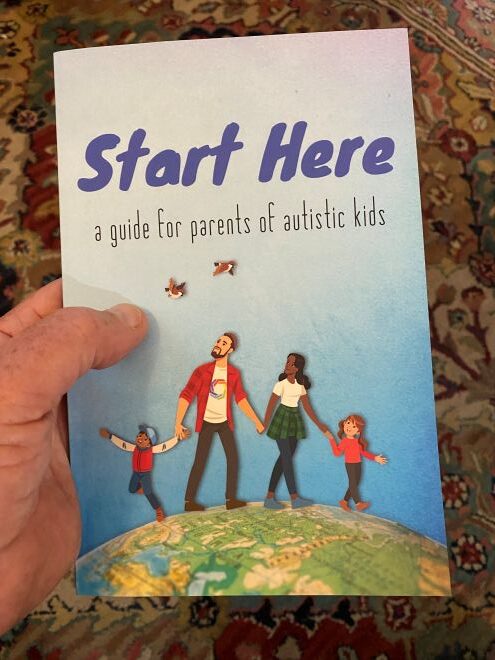
As a family, read the short children’s book I See Things Differently by Pat Thomas. It provides an understanding of autism and encourages kindness and inclusiveness. Invite one of your children’s autistic classmates to your child’s birthday party — autistic kids don’t often get birthday invitations — and during the party, talk with the child’s parents and learn more about their child. Whether you’re an autism family or not, get involved with organizations like Autism Society of Central Virginia that offer participatory, learning, and volunteer opportunities.
It was only after becoming part of an autism family that I began to learn more about autism and more energetically embrace the term “Vive la différence!”