
Winter in Central Virginia can have a mind of its own. One morning you wake up to frozen steps, and the next day you’re opening the windows for warm, fresh air. These swings can be inconvenient for anyone, but for many older adults, they introduce real challenges-from staying warm indoors to navigating icy sidewalks and shorter days.
But winter safety doesn’t have to be complicated. Small habits, a bit of preparation, and consistent connection with others can make the colder months easier and far less stressful.
Staying Safe Outdoors
For older adults, a quick walk outside can become risky when temperatures dip. Ice on the ground isn’t always noticeable, making seemingly safe surfaces slippery. Research shows that one in four adults over the age of 65 experiences a fall each year, and winter conditions make slips far more likely.
A few simple practices help:
- Check the weather before heading out and avoid going out early in the morning after a freeze.
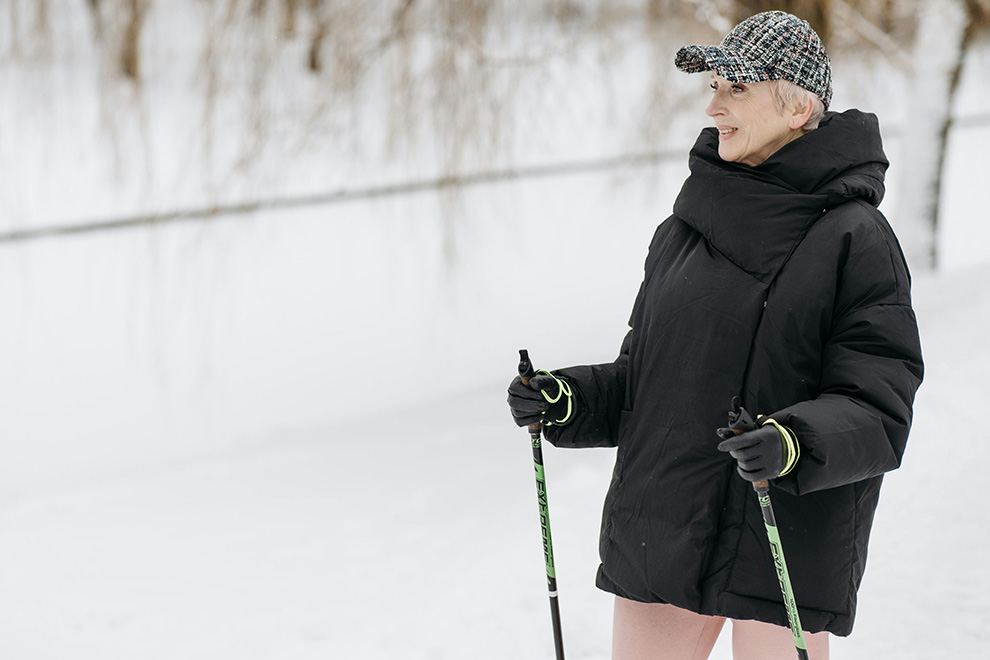
- Dress in loose, warm layers, and don’t forget to wear a hat, scarf, and gloves.
- Choose shoes with rubber, non-skid soles.
- Try to stay in after dark, when re-freezing happens quickly.
- Keep walkways and steps clear; use sand or ice melt for traction.
- Hold railings whenever stairs are involved.
- Skip shoveling snow.
- Keep blankets, water, and a flashlight in the car in case of emergency.
- Add ice tips to canes or walkers for extra stability.
Keeping Warm Indoors
Winter safety doesn’t end at the door. Seniors are more vulnerable to the cold because the body doesn’t regulate temperature as efficiently with age. In fact, about 200/0 of cold-related injuries happen inside the home, often because indoor temperatures dip lower than expected overnight.
Helpful ways to stay warm include:
- Keep thermostats set to 68°F or higher. Temperatures in the low 60s may feel fine at first but can become dangerous over time.
- Block drafts with rolled towels or weather stripping.
- Close curtains at night to prevent heat loss.
- Wear comfortable layers, warm socks, or slippers indoors.
- Use extra blankets at night, especially in older homes.
- Eat regularly and choose foods rich in Vitamin D during darker months.
- Limit alcohol, which speeds heat loss in the body.
- Use space heaters with caution. Keep them three feet from anything that could catch fire and plug them directly into the wall.
Reducing Winter Illness
Cold and flu season arrives like clockwork every year, and older adults face greater risk of complications. Immune responses naturally weaken over time, making symptoms more severe and recovery longer.
Some practical ways to stay healthy:
- Stay current on recommended vaccines as advised by your doctor.
- Wash hands often, especially after errands.
- Bring a bit of fresh air into the home each day to improve ventilation.
- Get enough sleep, stay hydrated, and keep stress in check.
Social connection also plays a role in immune health. Studies show that people who feel isolated are more susceptible to illness, so maintaining a regular rhythm of communication, like calls, visits, or even short virtual check-ins, can make a surprising difference in your health.
Supporting Seniors Living with Dementia
Short winter days can be especially tough for older adults living with dementia. When the sun sets before many people have even finished afternoon chores, confusion and restlessness can increase.
How to help ease late-day tension:
- Turn on lights earlier to signal that the day is still underway.
- Keep daily routines predictable.
- Provide simple indoor tasks or activities that feel familiar and soothing.
- Encourage gentle movement, whether it’s a short walk on a mild day or seated stretching indoors.
Preparing for Winter Storms
Even though our area doesn’t face blizzards every year, winter storms, especially those involving ice, can still cause power outages and make roads unsafe.
A basic winter prep kit should include:
- A week’s worth of food, water, and easy-to-prepare items.
- A full supply of prescription medications and cold remedies.
- Flashlights, batteries, hand warmers, a manual can opener, first-aid supplies, and a battery-powered radio.
- Working carbon monoxide detectors.
Staying Connected
Winter has a way of shrinking social circles. Bad weather cancels plans, sunset comes early, and suddenly the days feel quieter. But emotional safety matters just as much as physical safety.
A few simple habits help keep spirits up and reduce isolation:
- Schedule daily check-ins with a neighbor, friend, or family member.
- Use video calling or group chats to stay connected when you can’t leave the house due to weather.
- Consider caregiver services or adult day programs for structure and companionship.
Winter doesn’t need to be a season of worry. With a few thoughtful routines and a little help from neighbors and loved ones, older adults can feel safe, supported, and connected.