
“I love you. It’s ok if you have to go.” Zosha Olearnick was only 11 when she whispered these words to her dying father. Minutes later, while holding his hand, she watched him take his last breath.
In the months that followed, Zosha did what many grieving children do. She buried herself in distractions — school, sports, endless activities, anything to avoid the crushing reality that her hero, her dad, was gone. When friends told her they understood, she felt more alone than ever. How could they understand? Their dads were still alive.
Zosha’s story isn’t as rare as most people may think. One in 11 children in the United States will lose a parent or sibling before the age of 18 — that’s millions of young people navigating an impossible loss, often without the support they need. The consequences can be devastating, and 97% of teachers believe grief adversely impacts learning. Bereaved children are nine times more likely to drop out of high school, 10 times more likely to engage in substance abuse, and 20 times more likely to have a behavioral disorder.
Three months after her father’s death, Zosha walked into her first weekend at Comfort Zone Camp. She was worried she’d still feel different and isolated, but instead, she found something she hadn’t experienced since losing her dad: she found her people. “I started listening to people’s stories. They had feelings like mine and some even had experiences like mine, which made me feel welcome into a community of people who understood me and people who cared,” she says.
Founded in 1998 by Lynne Hughes, who lost both of her parents by the age of 12, Comfort Zone Camp (CZC) was born from profound personal loss. “Comfort Zone as an organization and a community represents a silver lining — a good thing that came out of a tough situation,” Hughes says. “I like to call it, ‘something good from something bad.’”
That philosophy has guided the national nonprofit for 26 years as it provides free, comprehensive grief support through weekend camp experiences for children ages 7–17 and their parents/guardians. CZC has served more than 26,000 children and family members, creating a nationwide network of healing and hope as well as offering specialized overdose loss and suicide loss camps, providing stigma-free spaces for children facing these unique losses.
Headquartered in Richmond, the organization holds camps across the country, with local families benefiting from five Virginia camps held throughout the year
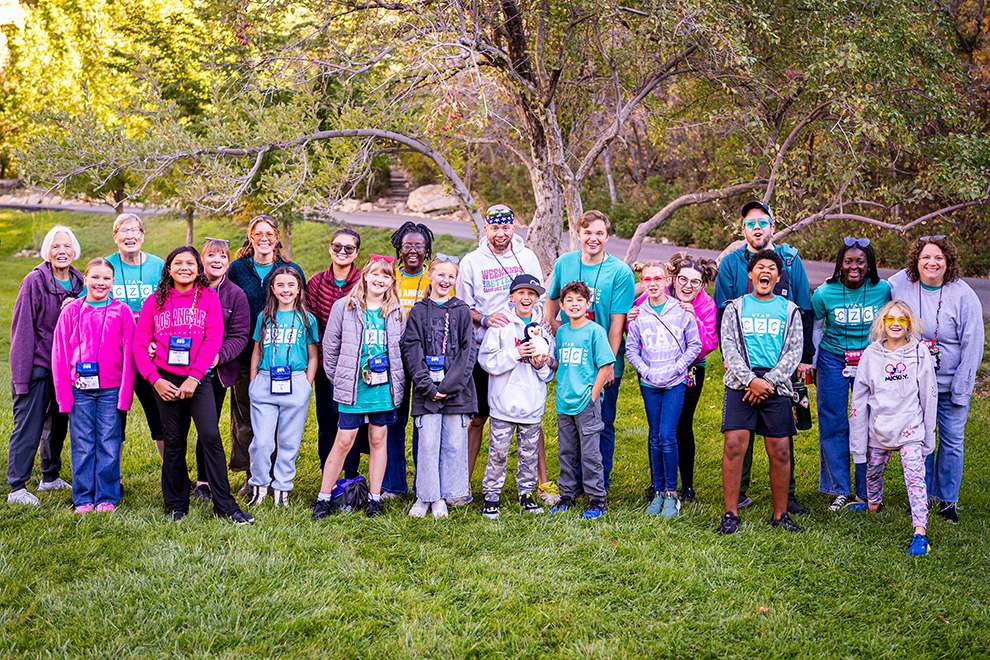
In a world where grieving children often feel like outsiders among their friends, CZC provides a fun and safe place where loss is the common thread. Through age-appropriate activities, Healing Circles, and the guidance of trained volunteers — many of whom are bereaved themselves — children discover they’re not alone.
Getting kids, especially teenagers, to attend isn’t always easy. “Who wants to come? It’s a really hard thing to have to go to,” says Dr. Matt Togna, a former camper and current board member. The prospect of discussing grief for an entire weekend doesn’t appeal to most young people, but what campers find is something entirely different. “This isn’t the doom and gloom, ‘oh-woe-is-me’ kind of place. It’s the complete opposite,” Togna explains.
CZC is filled with activities that let kids simply be kids, from arts and crafts and sports to bonfires and s’mores. The difference is that they’re surrounded by peers who truly understand their loss, creating a space where they can feel normal again. Many campers form deep, lasting friendships with others who’ve walked a similar path. It’s not uncommon to see reluctant first-timers on Friday transform into campers eager to return by Sunday.
The transformation isn’t just momentary — it’s life-changing. Jillian Bresnick, who was 10 when she lost her 7-year-old sister, calls CZC her comfort place. Her mother says Jillian practically lives for camp, where she feels most supported and understood.
At 15, Jillian recently served as a junior counselor for the first time, joining the ranks of campers who become volunteers and creating a beautiful cycle of healing and giving back to others who have been in their shoes.
These stories of transformation are possible because CZC’s program is free of charge to families, eliminating the financial burden that might prevent a grieving child from accessing support. From transportation to meals to all camp activities, everything is covered through donations and fundraising efforts.
“Your support can help another child take that same first step toward healing,” Zosha says
How You Can Support CZ
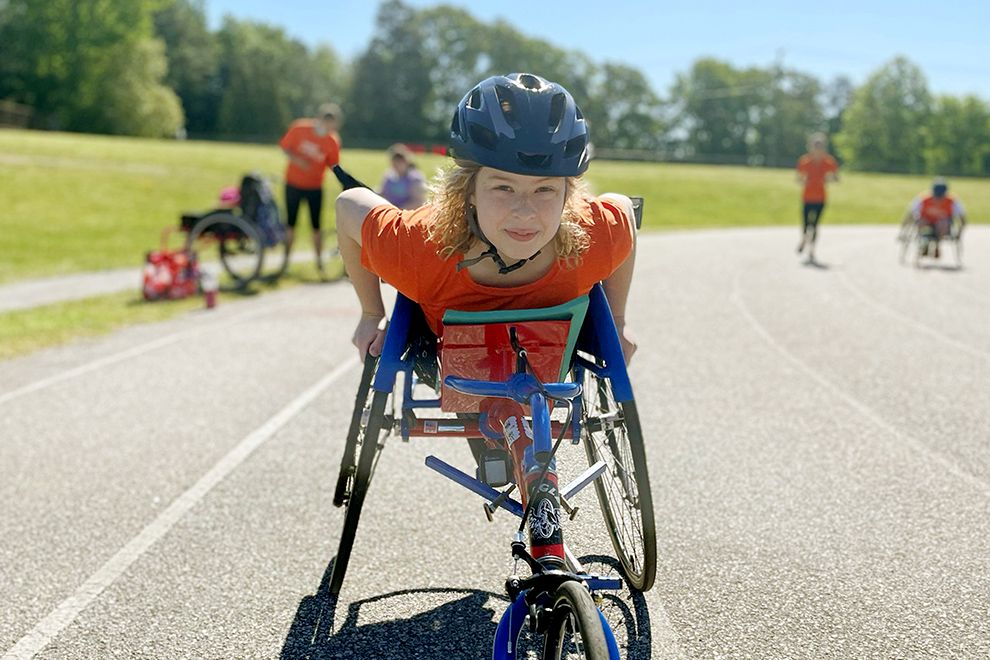
Join Comfort Zone Camp’s Virtual Grief Relief 5K Your Way from May 1 to June 20, and help provide free grief support to children who have lost a loved one. Whether you walk, swim, bike, run, or cheer from home, your participation will help ensure grieving children can access the healing they deserve. Learn more at comfortzonecamp.org