

Dogs are far more sensitive to environmental shifts than we are. We can see it in their incredible senses like their sharp hearing and remarkable noses.
Because of this, dogs are also highly reactive to temperature changes, but their enthusiasm and inherently stoic nature often prevent them from letting us know when cold weather is causing them discomfort or pain. That combination makes them especially vulnerable when temperatures drop during the fall and winter. Of course, cold weather affects each dog differently, based on many factors such as their age, health, and coat density.
Let’s take a closer look at these differences as well as some tips to help keep our dogs safe during the chilly months ahead:
- Consider shorter but more frequent walks when it’s cold outside. This limits their time exposed to the elements. When temperatures drop, keep walks short — usually around 15 to 20 minutes, especially if it’s below freezing or if the wind chill is harsh. Healthy adult dogs with thick coats may tolerate a slightly longer walk, while smaller, short-haired dogs may need shorter walks.
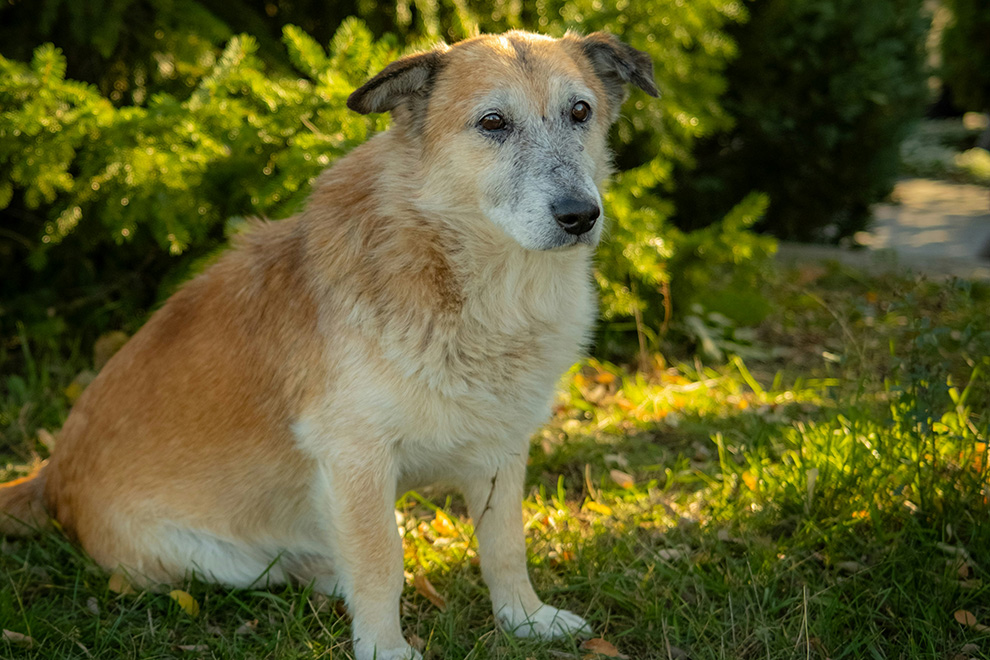
- Keep an eye on senior dogs. Elderly dogs have a harder time regulating their body temperature than younger pups. For example, an older Chow Chow is more vulnerable to cold than a younger one, despite both having a dense coat. Senior dogs may also struggle with arthritis and joint pain, which the cold air can make even worse. Shivering, shaking, or hesitating to go outside are signs that an elderly dog is feeling the cold more than they used to. Make sure they have a nice, warm bed to retreat to when they come back inside, and maybe even place a hot water bottle under their blankets for added warmth.
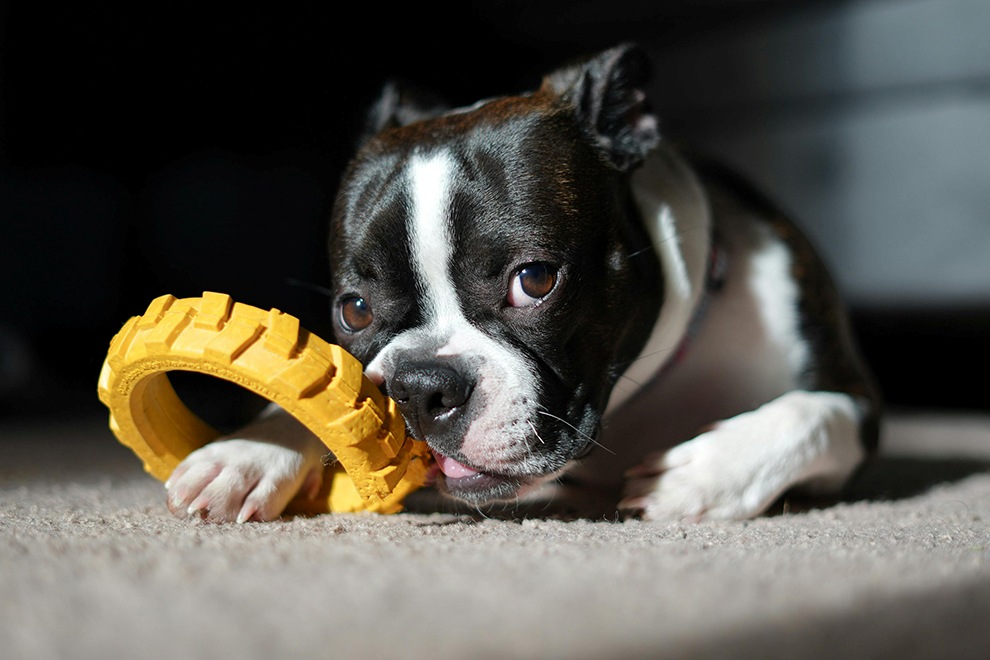
- Keep an eye on puppies too. Likewise, puppies have less muscle and less fat than adult dogs. Muscle helps increase dogs’ metabolism which aids in keeping them warm, and fat provides insulation. Until their body is fully developed, puppies will have a hard time generating body heat. Also, a puppy’s growing coat is not yet sufficient to keep them warm, even if they are a cold weather breed.
- Be mindful of your dog’s health issues. Aside from being a senior dog or a puppy, certain diseases can also hinder a dog’s ability to regulate their body temperatures. Some of the more common diseases in our canine friends are heart disease, diabetes, hypothyroidism, and Cushing’s Disease. If your dog has any type of health issue, check with your vet before letting them spend an extended period of time outdoors when it’s cold.
- Clean your dog’s paws. Use a warm, damp towel to gently wipe away any snow or ice from your dog’s feet, making sure to clean between each paw pad as soon as they come inside. This will also help get rid of any snow removal chemicals that they may have walked through while outside. You can also use this time to check for any cuts or cracks on their paw pads that may have occurred while playing in the ice and snow. Assess any injuries quickly. Most shallow, surface scrapes can be flushed with saline and safely treated at home. If there is something lodged in their paw pad, your dog is in pain, or there is uncontrollable bleeding, a trip to the veterinarian is needed.
- Leave their coat longer to help keep them warm — but do so with caution. If you regularly have your dog groomed, it’s okay to leave their coat slightly longer during the winter to help keep them warm, but be mindful that overly long hair can collect ice and snow and cause the skin to become irritated. Longer fur can also trap moisture which can make your dog feel colder. To keep your dog comfortable during the winter months, make brushing a regular habit and stay on track with their grooming visits.
- Keep their coat dry. A cold, wet coat is a blueprint for hypothermia. If your pup gets wet while outside, their body temperature could plummet, so be vigilant in watching them for signs of possible hypothermia — weakness, listlessness, shivering, and slower breathing. If you see anything that might indicate hypothermia, take your dog inside immediately, wrap them in warm towels or blankets, try to give them slightly warmed water to drink, and call your vet.
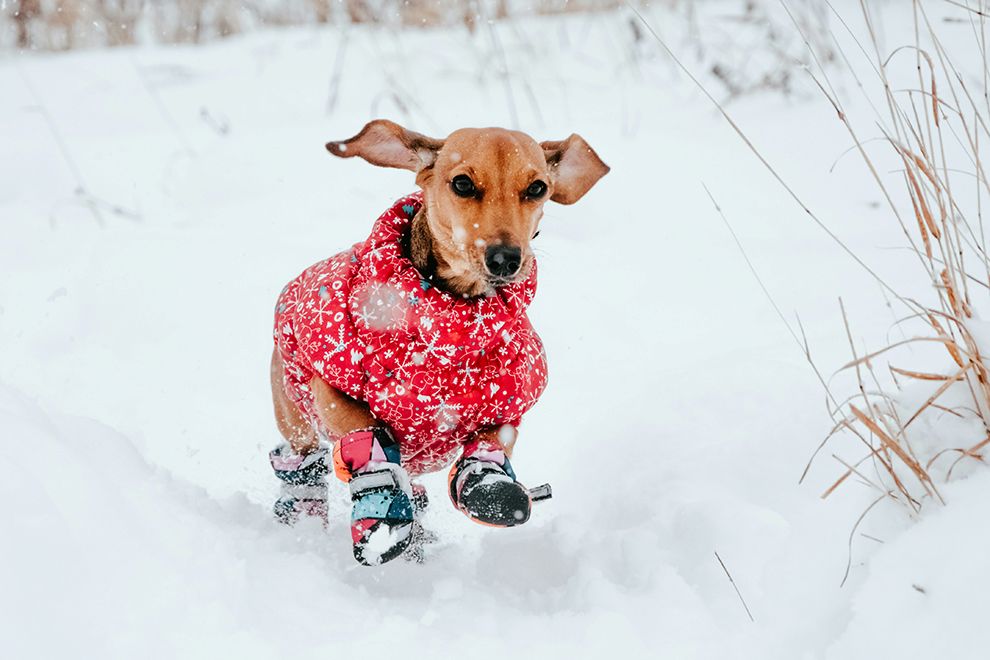
- Dress your dog for the weather. Dog outerwear is very helpful in keeping your pup warm and dry. A coat with a warm inside layer for insulation and a weatherproof outer fabric is best for very cold, wet, windy conditions. Protective booties keep their paws safe and warm. If your dog will allow it, a hat or snood is great for keeping their ears warm.
- Be mindful of frostbite. Clothing can certainly help keep your dog warm, but it doesn’t fully protect them from frostbite. The most reliable way to prevent frostbite is to limit how long your dog is out in harsh winter weather. However, if you see any skin discoloration — especially on exposed areas like their ears or tail tips — or if you notice limping that could indicate frostbite on the paws, bring your dog inside immediately and call your veterinarian for guidance. Treating frostbite incorrectly can lead to further injury, so professional direction is essential.
- Make sure they’re eating and drinking enough. If your dog is outside often during the winter, increase their food intake. It takes a lot of energy to stay warm, so they will be burning calories quicker. Water is also just as important in the winter as in the summer, and staying hydrated will help your dog regulate their body temperature more efficiently.
It’s important to pay attention to your dog’s health and safety during the winter months, but don’t let the cold weather deter you from making the most of this time of year with your four-legged friend. Even if outdoor time is limited, you can still play or enjoy staying warm inside together.