


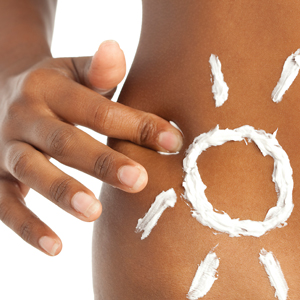
 More than a million cases of skin cancer will be diagnosed in the United States this year, according to a report out of Cleveland Clinic.
About 80 percent of these will be basal cell skin cancer. The most common and the most benign, it’s also the one some people call the good skin cancer because of its high cure rate. It usually occurs on the face, neck, and extremities that are exposed to the sun. Six percent of newly diagnosed skin cancers will be squamous cell carcinoma. More invasive than basal cell, these growths commonly develop on the lower lip, lower eyelids, and extremities, but can occur anywhere. When caught early, both of these cancers have about a 95 percent cure rate.
Four percent of skin cancer cases will be melanoma, the most dangerous type of skin cancer. The National Cancer Institute says more than 9,000 people will die from melanoma this year.
No matter the diagnosis (basal, squamous, or melanoma), skin cancers have two things in common: many cases could Have been prevented; and much like any form of cancer, skin cancer may require surgery to remove cancerous growths.
Dermatologists and plastic surgeons alike know that the majority of skin cancers occur on the areas of the body most frequently exposed to the sun, including the face. After being diagnosed by a physician, a plastic surgeon will make every effort to treat your skin cancer with a goal of preserving your health and your appearance.
What’s the single most important step you can take to reduce your risk of skin cancer in the first place? Minimize your sun exposure and use proper precautions when you are in the sun.
While adults can’t undo the damage that has already been done, there is better news for our kids: It has been estimated that regular application of sunscreen with SPF of 15 or greater from infancy to age 18 would reduce the lifetime incidence of non-melanoma skin cancers by 78 percent.
But what about those of us who are already paying the price for too much time in the sun?
Plastic surgeons are frequently called in to help treat patients with a skin cancer diagnosis or those preparing for skin cancer surgery. Gregory Lynam, MD, DDS, says he has heard patients say, Please just make me look like I did before!
“It can be an emotional situation,” says Dr. Lynam, a board-certified plastic and reconstructive surgeon. “Fortunately, there is often quite a bit we can do to get our patients as close to their idea of before as possible, but even the most sophisticated surgical techniques can’t make someone exactly as good as new.”
An assistant clinical professor at VCU Medical Center and founder of Richmond Surgical Arts, Dr. Lynam is very aware of the skin damage caused by the sun and The consequences of skin cancer. Baby boomers and seniors, for examples, who spent their youthful years working on the perfect suntan, may now find themselves with leathery, dark, and unattractive skin.These groups also have increased risks of melanoma and other kinds of skin cancers.
“If a skin cancer is present, a dermatologist or primary care physician will often refer patients to a plastic surgeon for removal and cosmetic repair, but prevention would always be preferred,” Dr. Lynam says.
The truth is, the sun on your face that feels so wonderful during active summer days can cause a lot more trouble than uncomfortable sunburn. The sun’s rays contain different types of light, and the ultra-violet light wavelengths – which are invisible and don’t produce a sensation of heat – can literally be deadly. Research shows that melanoma rates are climbing fast, doubling every ten years, and the major cause is excessive exposure to the sun. There are new treatments available, but this is still a highly lethal cancer, which Is much better avoided than treated.
To get proper perspective on the sun’s intensity on any given day, the World Health Organization recommends using The UV Index. The daily index is often given on your local weather report, but there is a calculator found at epa.gov/ sunwise/uvindex.
The index measures the UV strength from 1 (low) to 11+ (extreme). Everyday protection, regardless of the index level, should always include sunscreen of SPF 15-plus and sunglasses. Generally, an index reading of less than 2 would not pose significant danger for you or your kids with basic protections. But when that UV Index number inches up, so do the number of safety measures that are recommended: wear a wide-brimmed hat and sunglasses; avoid the sun between ten in the morning and four in the afternoon; use high-powered sunscreen (SPF 30 or more) for skin and lips; be aware that reflections from sand, water (and snow, for that matter) can double your UV exposure. And finally, don’t be fooled by cloud cover, which doesn’t help unless the clouds are low, dark and thick, when you probably shouldn’t be out anyway.
For people who are tan addicts, the good news is, self-tanning products are available in creams or lotions, usually containing DHA, a chemical which safely increases melanin production without sun exposure.Price range varies and they come in a range Of shades. A little research should help You find the one that’s best for you. Spray tanning is also available at some tanning salons. These apply a fine mist of DHA, moisturizers and ionized tanning particles which start to darken the skin within several hours after application.
What if I find a suspicious spot on my skin?
If you find a spot or a sore on your face or anywhere on your body that concerns you, make an appointment with your family doctor or dermatologist. He or she will be able to tell if it needs to be removed or tested.
Unfortunately, skin cancer surgery will leave a scar and many dermatologists and family physicians hesitate to perform surgery on a patient’s face or other exposed skin for fear of cosmetic damage. Plastic surgeons are trained to treat skin cancer with the least scarring possible, while always being aware of the importance of removing the entire cancer. After skin cancer removal, it is recommended that you visit a dermatologist every 6 months.And to decrease your chances of having another spot diagnosed, use sunscreen every day in between.
Suppose my kids or i get a sunburn?
Sometimes, even when you’re careful, a sunburn can sneak up on you or your kids. The discomfort and sensation of heat may be delayed by several hours, becoming increasingly painful and itchy during the evening – just in time for bed.
If blisters develop, a doctor’s advice should be sought. Blisters should never be popped because of the risk of infection.Otherwise, use a cool bath or cool compresses to relieve the pain, and take ibuprofen or acetaminophen. Over-thecounter diphenhydramine (Benadryl, etc.) can be given, and moisturizing creams or a thin layer of 1 percent hydrocortisone cream may be applied. Don’t use petroleum jellies like Vaseline, since they act like insulation, keeping the heat and sweat next to the skin.