


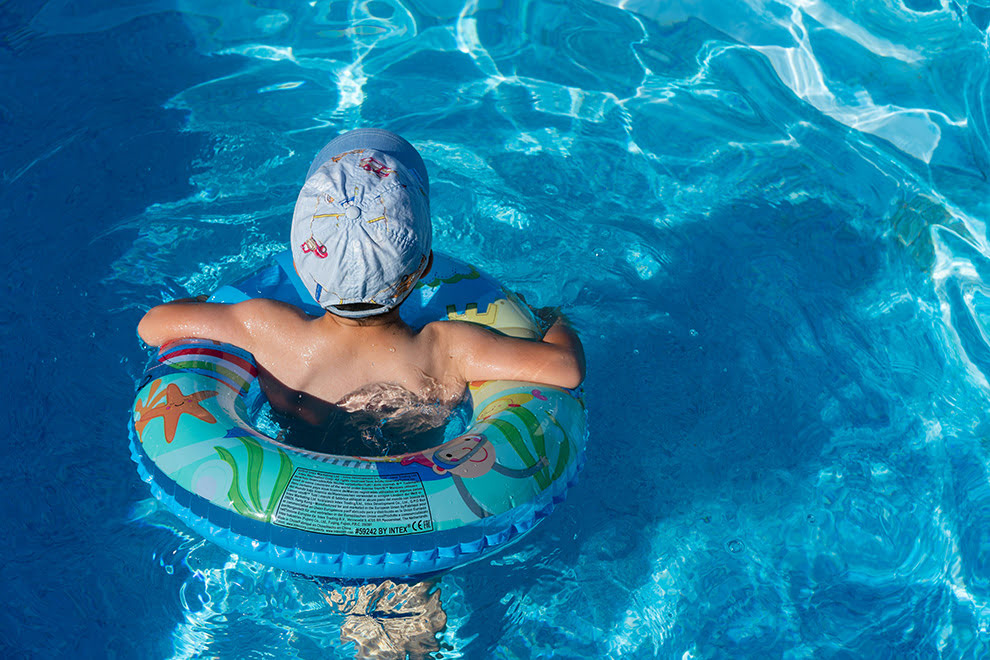
Summer is well on its way, and with beach vacations and weekend pool visits on everyone’s minds, reminders about water safety are especially important during this time of year. Each day, 11 people in the U.S. die from unintentional drowning, according to the Centers for Disease Control and Prevention. The American Red Cross also notes that drowning is a leading cause of unintentional death for children ages 1 to 4 in the United States.
With more than 50 rivers and lakes in the Richmond region alone, in addition to private and public pools in the area, water safety awareness and swimming skills are critical. Here are a few tips to ensure you and your family swim safely this summer and all year.
Water Safety Tips
- Have parents present. If a person is under 18, be sure to have a parent or guardian present who knows how to swim. Adults should always have their eyes on their children while in or near the water. If you are near a body of water with a child who doesn’t know how to swim, parents should always have the child wear a life jacket.
- Always swim in the presence of a lifeguard. Lifeguards play an important role when water is present, from enforcing safety rules and accident prevention to serving as a first responder when accidents happen. For example, the odds of drowning at the beach when a trained lifeguard is on duty are significantly reduced to one in 18 million, according to the United States Lifesaving Association.
- Always read and obey all posted rules. Whether at a pool or a beach, these rules can include no horseplay, river height warnings, and other directives. Guidelines like these help prevent accidents and lower risk for yourself and others.
- Be aware of the water hazards around you. Surprisingly, water hazards go beyond your backyard pool or the James River. Anything that can accumulate water, including bathtubs, fountains, and coolers can be a hazard, especially to small children and infants.
- Learn how to swim. It is never too early or too late to learn how to swim. It is a valuable and lifesaving skill, as well as a lifelong fitness activity. Children can begin classes as early as 6 months old with a parent or 3 years old without a parent. There are also several local programs where adults can take beginner swim lessons or brush up on their swim skills, too.
- Act in an emergency. If a water emergency occurs, always call 911. If emergency services are unavailable, try the “reach, throw, and don’t go” rescue technique. If someone is in danger in water, use a long object, like a stick, to pull someone in from the water or throw them a flotation device. Do not get in the water if you are not trained to do so.