



Does getting your child to practice music feel like an uphill battle every day? You’re not alone. Many parents struggle with turning music practice into a positive experience. But what if there were simple strategies that helped your child practice without resistance, build confidence, and even look forward to it? Let’s explore how to make practice something your child can enjoy.
Start With a Positive Mindset
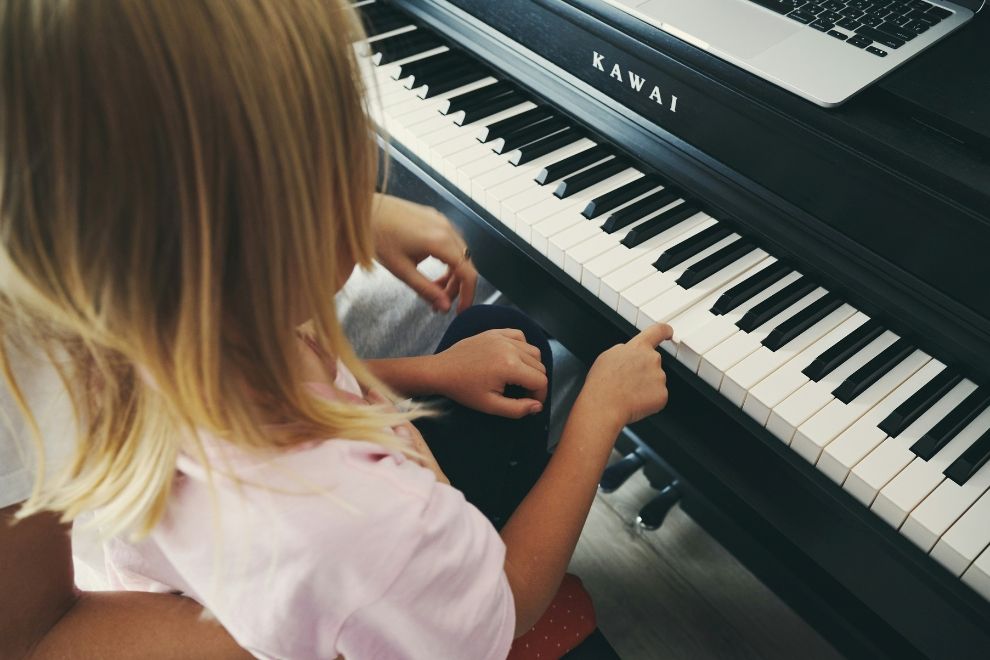
Children often resist practice when it feels like a chore or a command. Start by making music a shared adventure rather than a task on a to-do list. Show genuine interest in what they’re learning, celebrate progress, even tiny wins, and avoid turning practice into a battle. Positive encouragement helps build confidence and intrinsic motivation.
Build Consistency
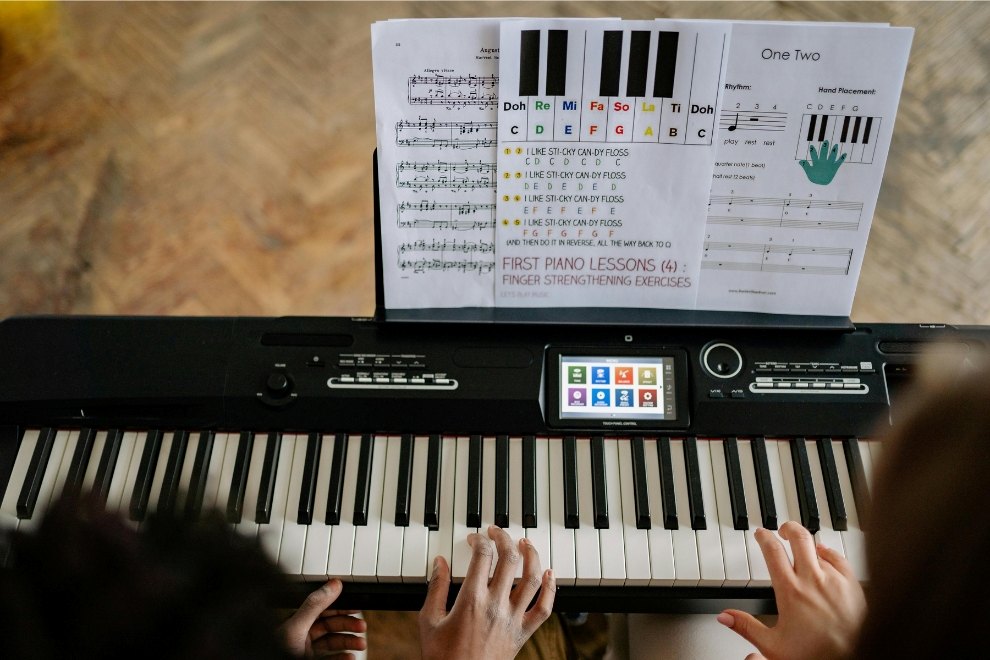
Set a consistent time each day when practice becomes part of the routine, whether it’s after school, before dinner, or right after homework. A predictable schedule removes ambiguity and reduces daily resistance.
Keep Sessions Short & Manageable

Short bursts of focused practice beat long, drawn-out sessions, especially for younger children. Aim for multiple 10–20 minute sessions throughout the week rather than long marathons once in a while. This respects their attention span and keeps practice feeling doable.
Make Practice Fun & Personalized

Incorporate games, challenges, or music your child loves to play. Let them pick a favorite song to learn or set small, achievable goals like mastering a tricky measure or rhythm.
Turning practice into a game with rewards like sticker charts or unlocking the next “level” can boost enthusiasm dramatically.
Create a Supportive Practice Environment
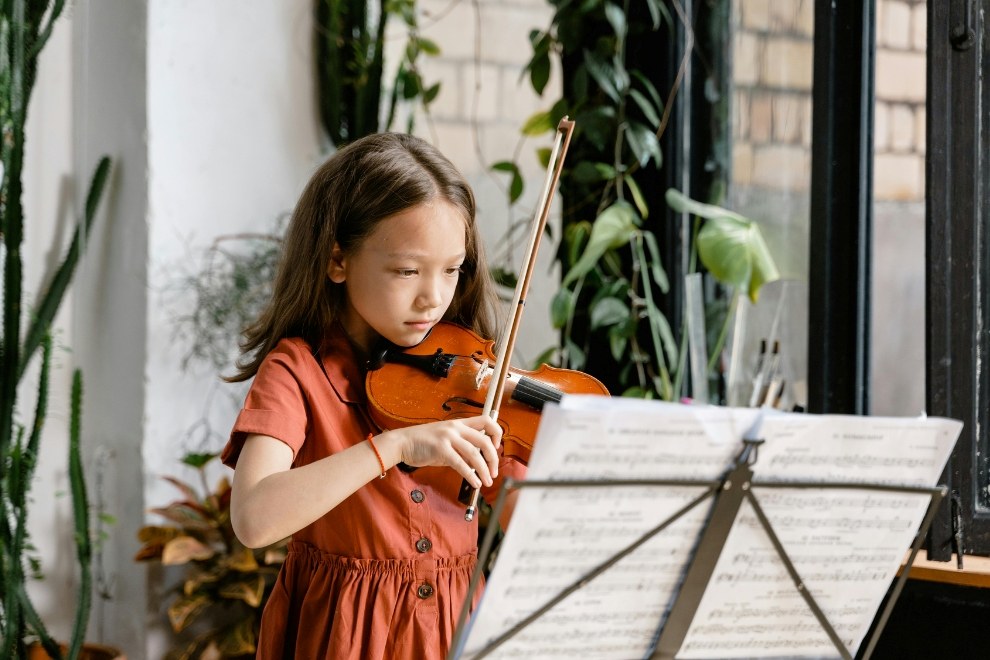
Designate a quiet, comfortable practice space where your child has easy access to their instrument and tools. Having a dedicated area helps them switch into music-mode more naturally and without distraction. Even if you’re not musical yourself, your presence nearby shows that you value their efforts.
Offer Encouragement, Not Pressure
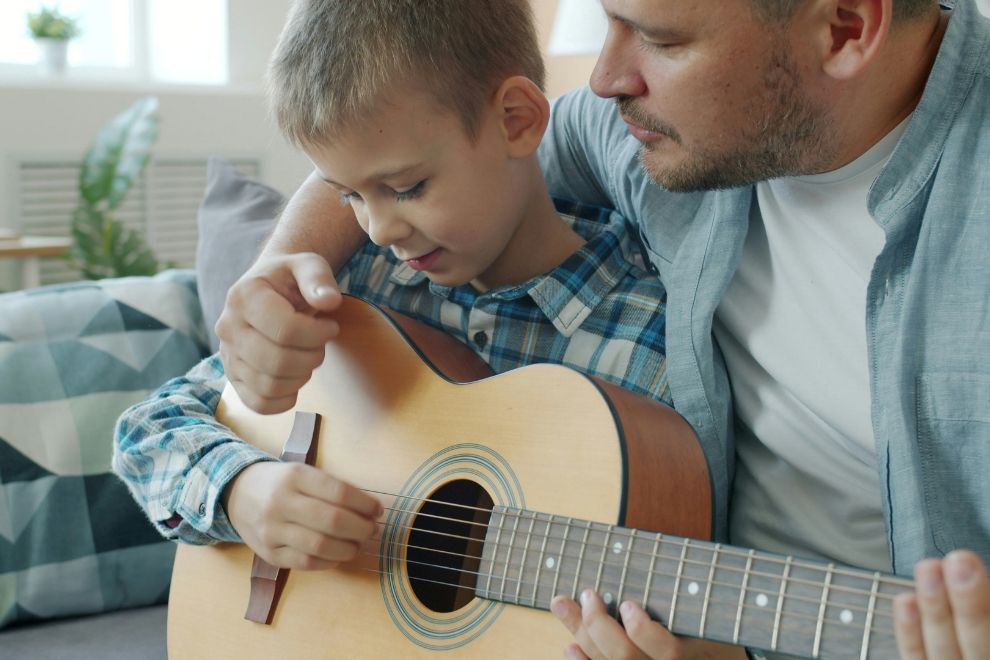
Pressure leads to pushback. Instead of nagging or focusing only on mistakes, emphasize effort and progress. A simple phrase like I can hear how hard you’re working! goes a long way. And when things get tough, patience and empathy help your child stay connected to music rather than shutting down.
Connect Practice to Real-World Rewards

Kids love to perform. Recording their progress or organizing a mini concert for family members gives real purpose to their practice. Seeing their improvement and receiving applause can be a powerful motivator to keep going.
Work with Their Teacher
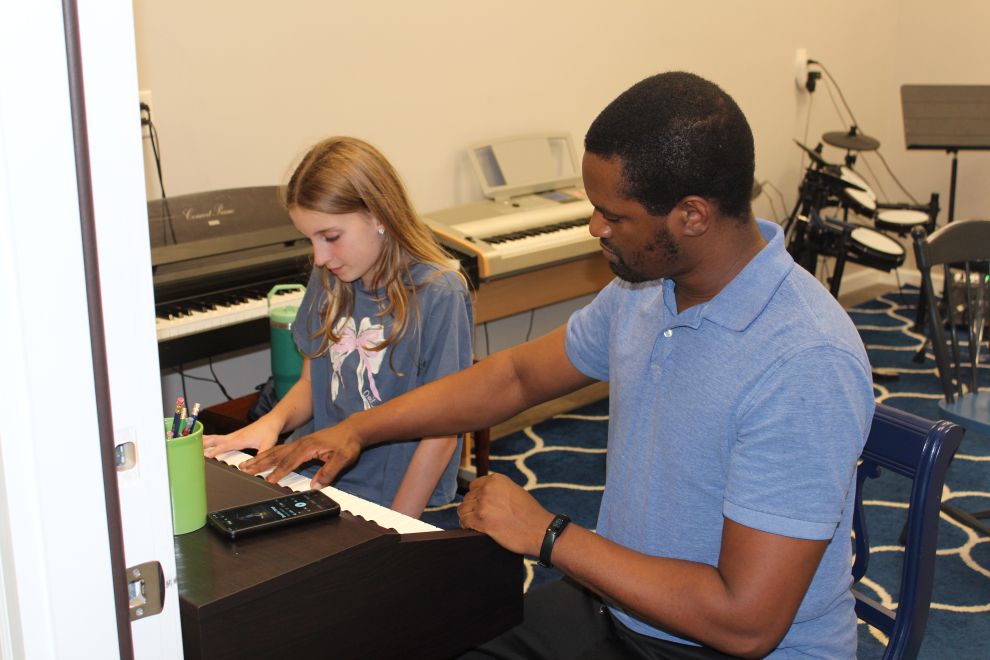
Communicate with your child’s music teacher to align goals and expectations. Teachers can provide practice strategies tailored to your child’s age and skill level, helping make practice focused and effective.