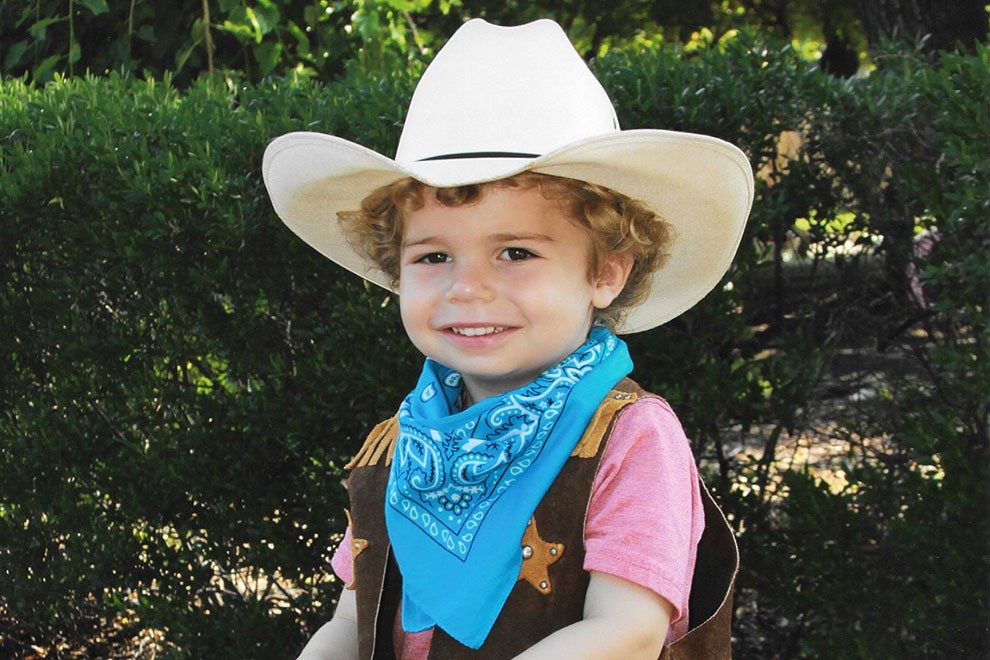


My 6-year-old son River expresses joy with his whole body. He jumps to the sky when he spots “Mr. Moonlight,” leaps in the air after finding a toad at night with his flashlight, and skips through his days to the beat of his eclectic playlist. My 4-year-old daughter Lanier begins most days with a sleepy smile, talks and chuckles to her imaginary friends, and grins and greets strangers everywhere we go. Children express joy in beautiful and unique ways with an enviable ease. Is there anything better than hearing the uninhibited, guttural laugh of a child?
Adults often do not lead with as much outward-facing joy. Does joy decline as we age or are we just less likely to express it as freely as children? Perhaps the realities of life – exhaustion, pain, grief, or even just the monotony of a schedule – can dim the joy within us all or at least the outward-facing joy that our children see and feel.
In Awakening Joy for Kids, James Baraz and Michele Lilyanna discuss the substantial benefits of joy for a child’s mental and physical health and happiness. So, if we know that joy is good for our children’s mental and physical health, how can we as parents tap into and share our own inner childlike joy? Here are some ideas:
Share the Highs and Lows
Happiness often feels elusive, but moments of joy can occur throughout the day. What would it look like if we practiced recognizing and naming those moments of joy right alongside expressing our authentic feelings in the moment? For example, I’ll share with my family that I feel sad or tired, but in that same conversation, I’ll share how amazing I felt listening to my favorite Hanson song on the drive home from work.
Routinely paying attention to both the good and bad things in life can help rewire a child’s brain for happiness. Discussing these feelings shows a child that a day can have moments of joy and moments that feel tough, but those feelings can exist together. My brother has a simple equation for nightly dinner conversation: tell me something tough, tell me something good. This can help bypass the fluffy “it was good” answers and get to more substantial relationship-building conversation.
Narrate Your Thoughts
Children cannot read our minds. And, more often than not, I am grateful for that. But we all have positive thoughts that scurry in and quickly leave that might be worth sharing with our children. When you notice the sunset has red and pink and a spot of yellow, try pointing it out to your child. When you take that first sip of coffee and feel it awakening your brain, your child may giggle to hear the momentary joy that yummy liquid brings you.
Share the things that bring a small smile to your face, and include your child in those moments even if they seem small, weird, or random. Joy can happen just from connection.
Find Pockets of Presence

With the presence of technology in our homes, it can be tough to remember the importance of just sitting – not doing – and listening and staying present. These moments of connection or even simple observation can feel good. In the moments when my children are playing independently, it’s tempting for me to pull out my phone to check the emails, order something online, or respond to the family group text. And many times, I do. But the times when I choose the pocket of presence over checking off my to-do list, there is space for connection, conversation, or simple observation. A space for joy.
Practice Gratitude
I find a lot of value in a simple platitude, and expressing gratitude can be a powerful joy booster. A few years ago, I did an experiment with my students where they all had to write a thank you letter in class. I provided the stationery and a stamp, then collected the sealed letters and placed them in the mail. The next day, we discussed what the letter writing process felt like. The overwhelming feedback was how good it felt to show gratitude. This simple act of giving thanks produced joy. When we model simple expressions of gratitude with and to our children, they may start to mirror our practice, and in turn, feel the joy of gratitude, too.
Recognizing and cultivating joy in today’s world may actually take work, but it is work that seems worthwhile to do with and for our children.