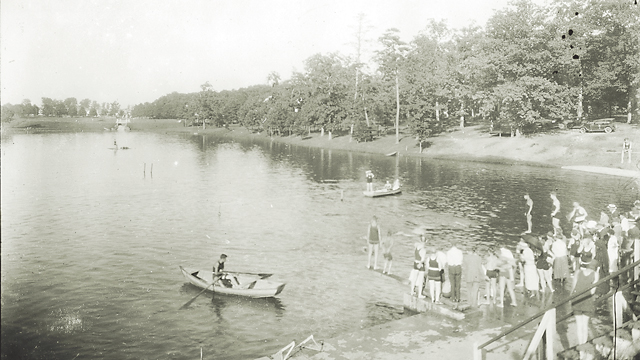
From the James River to Shields Lake to neighborhood pools, white stakeholders did what they could to keep Richmond swimming segregated in the 20th century.
From the James River to Shields Lake to neighborhood pools, white stakeholders did what they could to keep Richmond swimming segregated in the 20th century.

Read about the history of Monument Avenue and the statue of Robert E. Lee that stood on it for more than 100 years.
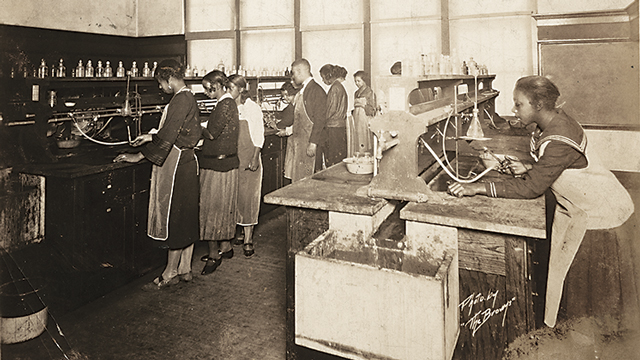
Before the city appropriated funds for the secondary education of African American children, that instruction was given at the Colored Normal School. Historically, “normal schools” trained teachers of all races.…

In 1899, the Independent Order of St. Luke was teetering toward bankruptcy. A benevolent society that provided burial insurance for members of Richmond’s African American community, the organization had just a…
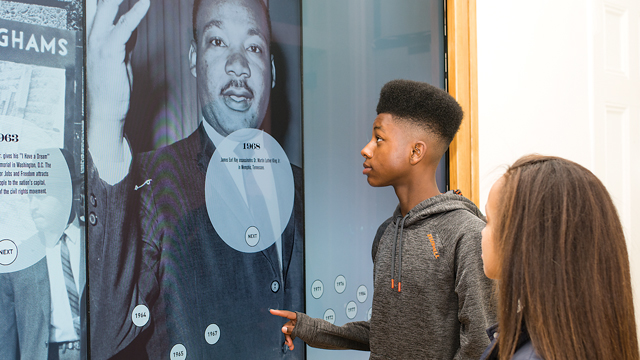
Our children are bombarded with news of racially motivated crime. White police officers killing innocent black men. Black men killing blameless police officers. How do we begin to explain the…
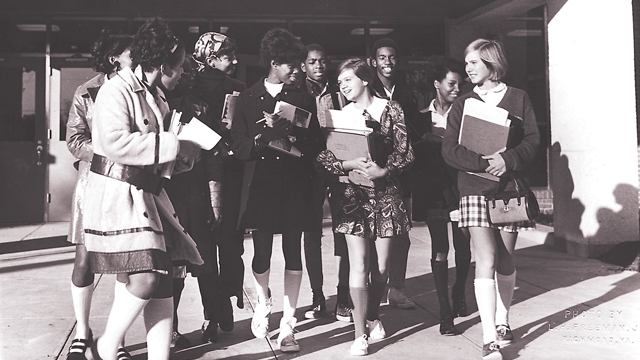
In 1970, in order to satisfy a federal mandate to desegregate Richmond Public Schools, Judge Robert Merhige, Jr. ordered the implementation of a busing program that would attempt to achieve…
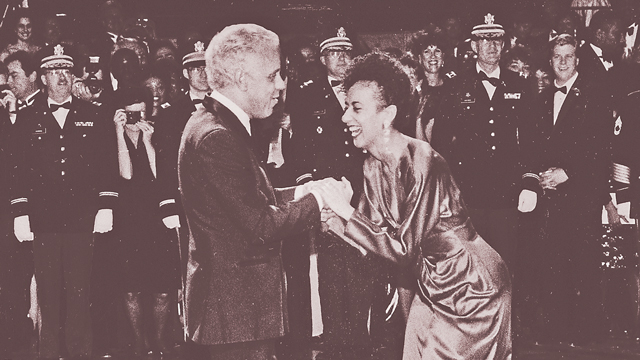
The first African American governor in United States history, L. Douglas Wilder was born in Richmond’s Church Hill district in 1931. There, he was raised with five sisters and a…
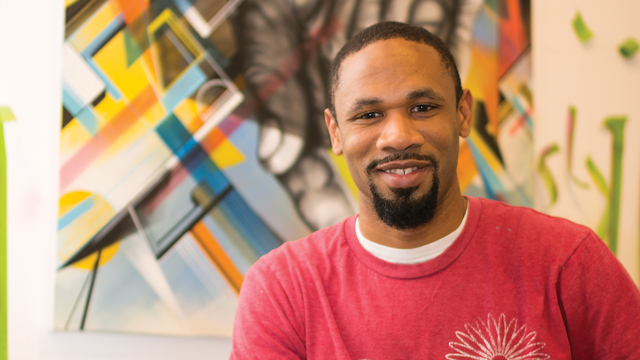
Richmond and Philadelphia are cities both rich in history and thriving today. They are capitals – Richmond is our commonwealth’s capital city, and Philadelphia served briefly as our nation’s –…
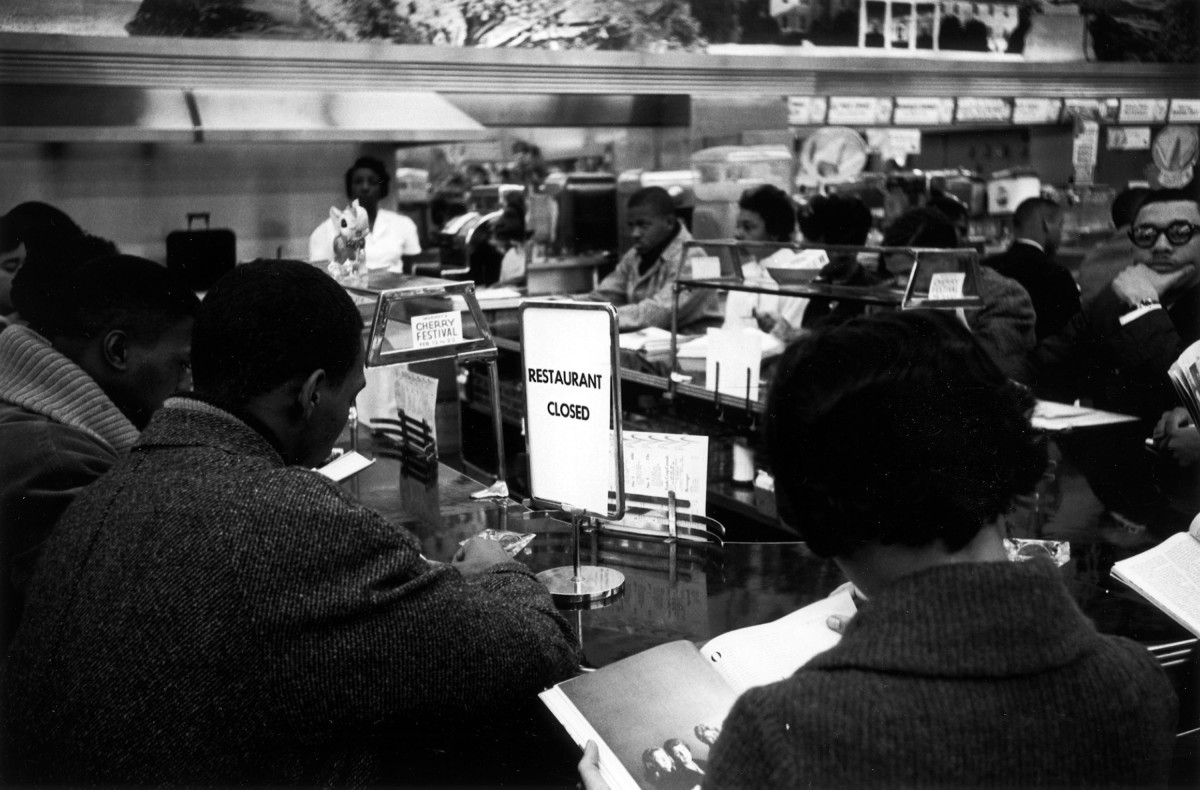
How Virginia Union college students in Richmond changed the world and lead the way in the Civil Rights movement with a sit-in at Thalhimers in 1960.
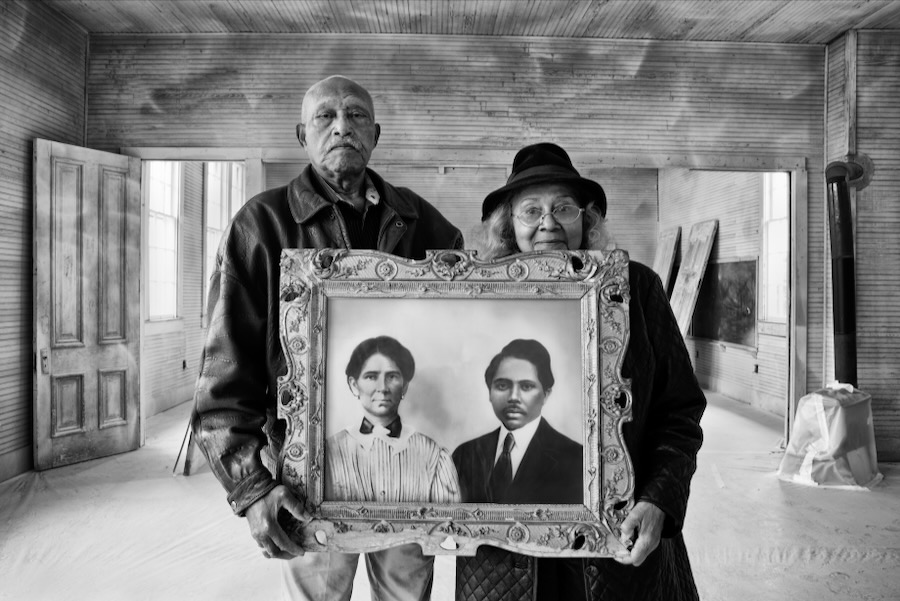
Learn about the regional history of Rosenwald Schools for Black students who were denied an education. It’s a hidden history of segregation and education.
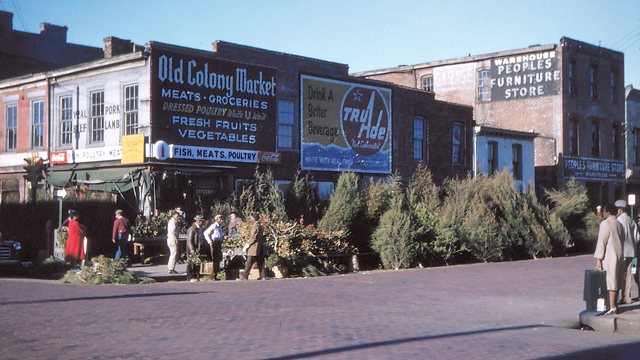
In 1871, lines were drawn around a new voting ward. Before the Emancipation, the area had been home to German, Italian, and Jewish immigrants, in addition to a large population…
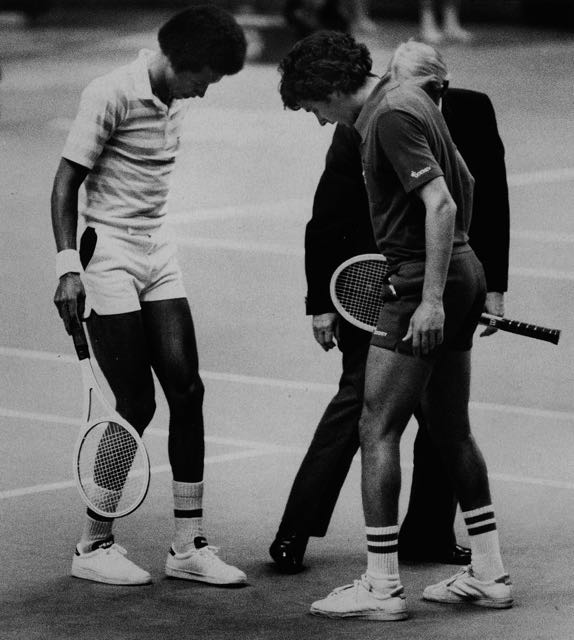
Born in Richmond in 1943, tennis legend, statesman, and humanitarian Arthur Ashe first played on segregated courts at Brook Field Park, near his Northside home.