


Modern Battery Technology
Modern battery technology has transformed our lives. From smartphones and laptops to power tools and toys, lithium-ion batteries deliver fast charging and high energy storage. Yet this convenience comes with a serious caveat: if misused or damaged, these batteries can overheat, catch fire, or even explode. For example, in 2015, the U.S. Consumer Product Safety Commission recalled more than half a million hoverboards due to reports of units catching fire while charging due to faulty batteries.
Understanding the risks of lithium-ion batteries and adopting safe habits is essential to protecting ourselves and our communities.
Understanding the Risks
Lithium-ion batteries store large amounts of energy in a compact form and recharge quickly. You’ll find them in nearly every rechargeable device: tablets, e-cigarettes, headphones, cordless lawn equipment, and more. Their versatility is convenient and makes us more mobile, but it also means a single battery failure can affect countless aspects of daily life.
When a lithium-ion cell is overcharged, punctured, or exposed to extreme heat, its internal chemistry can become unstable. That instability can cause thermal runaway, a chain reaction that releases heat faster than it can be dissipated. This may result in smoke, fire, or an explosion. Even a small dent or crack in the battery casing can create conditions that lead to disaster.
Shopping Smarter
Do your research when purchasing new products with lithium-ion batteries. Buy products that have been tested by a nationally recognized testing lab and have an approval stamp on the packaging or device. A device tested and certified by Underwriters Laboratories will bear the “UL Listed” mark or the UL logo on both the product and its packaging, indicating it meets rigorous safety standards. Also, only use charging cords and devices that have been approved by the manufacturer or have also passed similar independent safety tests. Many off-brand or discount items haven’t undergone these tests and carry a far higher risk of failure.
Handling Hazardous Batteries
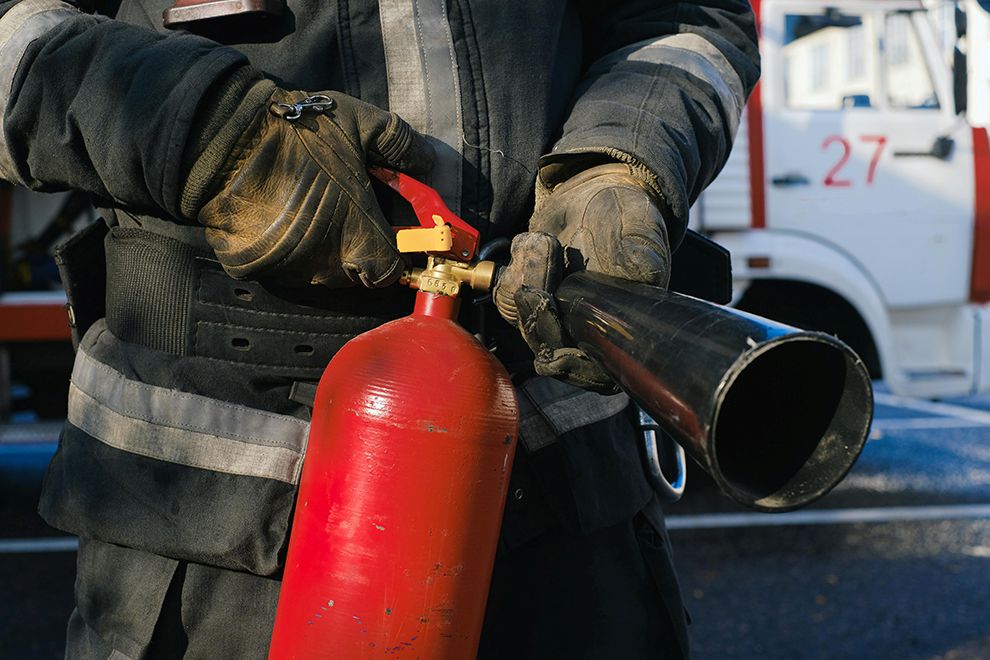
If you notice a battery overheating, swelling, leaking, emitting smoke, or producing unusual odors, immediately unplug it, move it outside to noncombustible surface away from flammable materials, and keep people at a safe distance. Do not attempt to puncture or open the battery and keep a fire extinguisher (one that’s rated for electrical fires) nearby. If flames or heavy smoke appear, evacuate the area and call emergency services immediately. Once the battery has fully cooled, place it in a fireproof container (these can be purchased online) and drop it off at an approved recycling site. Never dispose of lithium-ion batteries in regular trash or recycling bins. To find a nearby battery recycling location, visit call2recycle.org.
Preparing Your Home and Family
It’s also important to make sure your home and family are prepared in the event a fire breaks out. Install and maintain working smoke alarms on every level of your home. These early warnings give you and your family the precious time needed to escape before flames and smoke block your exits. Also make sure your family has a comprehensive fire escape plan. Identify two exits from every room in your home and practice your escape route together regularly. Designate a visible outdoor safe meeting place where firefighters can quickly locate you and confirm that everyone has safely evacuated. If someone is unaccounted for, you should not re-enter your home. Instead, call 911, tell the dispatcher who is missing, and alert the arriving firefighters so they can rescue them.