

As summer winds down, many families are focused on shopping for new backpacks, lunchboxes, and school supplies. But before bringing anything new into your home, it can be helpful to take a moment to prepare the space where your family’s daily school routines happen.
Having an organized home isn’t about having matching bins or perfectly labeled pantries. It’s about creating simple systems that make everyday life easier — especially during back-to-school season. A little preparation before the school year begins can reduce morning stress, eliminate daily frustrations, and help your family start the year with confidence.
Here are seven simple ways to set your home and your family up for success this coming school year.
1. Clear out last year’s clutter.
Before filling closets with new clothes and stocking backpacks with new school supplies, take inventory of what you already own. Have your children try on shoes, jackets, and clothing to see what still fits and donate any items that no longer work for your family. Sort through old school supplies, recycling dried-out markers, broken crayons, and notebooks with only a few pages left. If backpacks or lunchboxes have seen better days, now’s the perfect time to replace them. Starting with less clutter makes it much easier to stay organized throughout the rest of the year.
2. Create a “drop zone.”
One of the biggest sources of household clutter is the chaos that happens the moment everyone walks through the door. Backpacks end up in the living room. Shoes collect in the hallway. Lunchboxes land on the kitchen counter, and permission slips somehow disappear before anyone sees them. To corral this clutter, designate one landing space near the entrance your family uses most. Hooks for backpacks, a basket for shoes, and a tray or folder for school papers can create a system that keeps clutter from spreading throughout the house. When everything has a home, everyone knows where their items belong.
3. Give homework a place to happen.
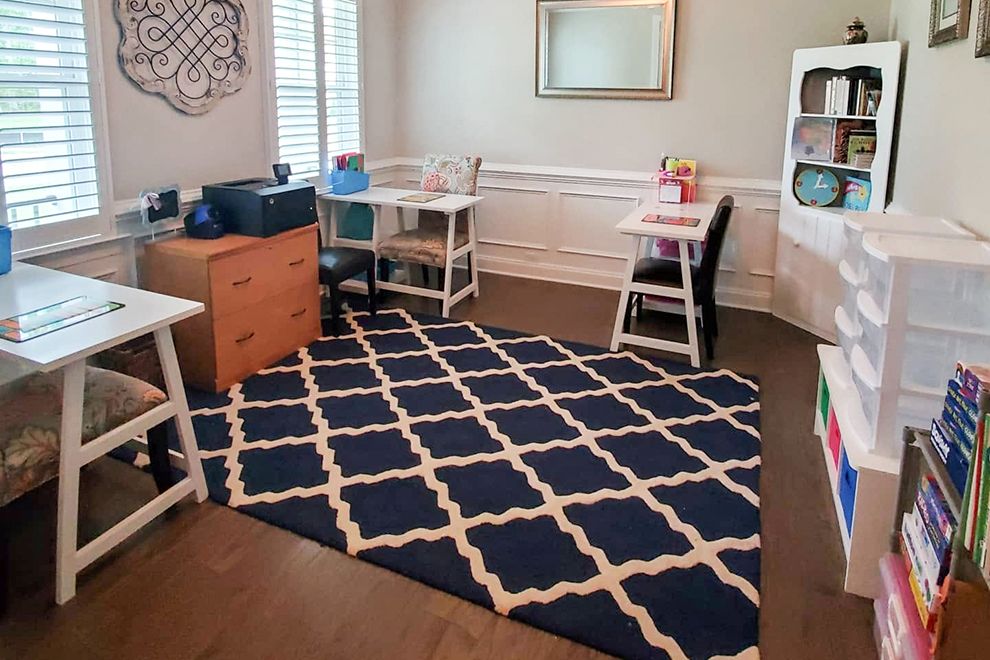
Your kids’ homework space doesn’t have to be elaborate or look Pinterest-worthy. Whether it’s the kitchen table, a corner of the dining room, or a small desk in a bedroom, choose one consistent location where homework happens. Keep pencils, chargers, paper, scissors, and other supplies nearby, so your child isn’t searching the house every afternoon for the tools needed to complete their assignments. Removing those small obstacles creates a smoother homework routine, which can help kids focus on the task at hand.
4. Make mornings easier the night before.
The less your family has to decide each morning, the smoother your mornings become. Pack up your kids’ backpacks before bed. Have them select and lay out their school clothes. Place library books, sports equipment, or instruments by the door to grab on the way out. These small evening habits may only save a few minutes, but they often eliminate the frantic rush and set a calmer tone for the rest of the day.
5. Create one family command center.
Between school calendars, sports schedules, doctors’ appointments, field trips, and extracurricular activities, it’s easy for important dates to get lost in the shuffle. Whether you prefer a paper calendar on the wall or a shared digital calendar, choose one central place where your family keeps track of everyone’s schedules, forms, and upcoming events. The best system isn’t the fanciest one, it’s the one everyone will actually use.
6. Build in a weekly reset.
Back-to-school organization isn’t something you just do once in August. Families who stay organized throughout the school year build small maintenance habits into their week. Set aside just 15 to 20 minutes every weekend to empty backpacks, recycle old papers, wash lunchboxes, restock supplies, and return stray items to where they belong. Those few minutes each week can prevent hours of catching up later.
7. Aim for progress, not perfection.
Back-to-school season isn’t about having a perfectly organized home. It’s about creating simple systems that give your family more time for learning, growing, laughing, and enjoying one another. Because the best organized home isn’t the one that looks perfect, it’s the one that helps your family thrive.
Children will still leave shoes by the door sometimes. Papers will pile up. Backpacks may end up on the floor after a long day. That’s simply part of having a busy family. The goal isn’t perfection, it’s creating routines that make life feel less overwhelming. When your home supports your family’s daily rhythms instead of working against them, mornings become calmer, afternoons run more smoothly, and everyone has a little more energy for what matters most.