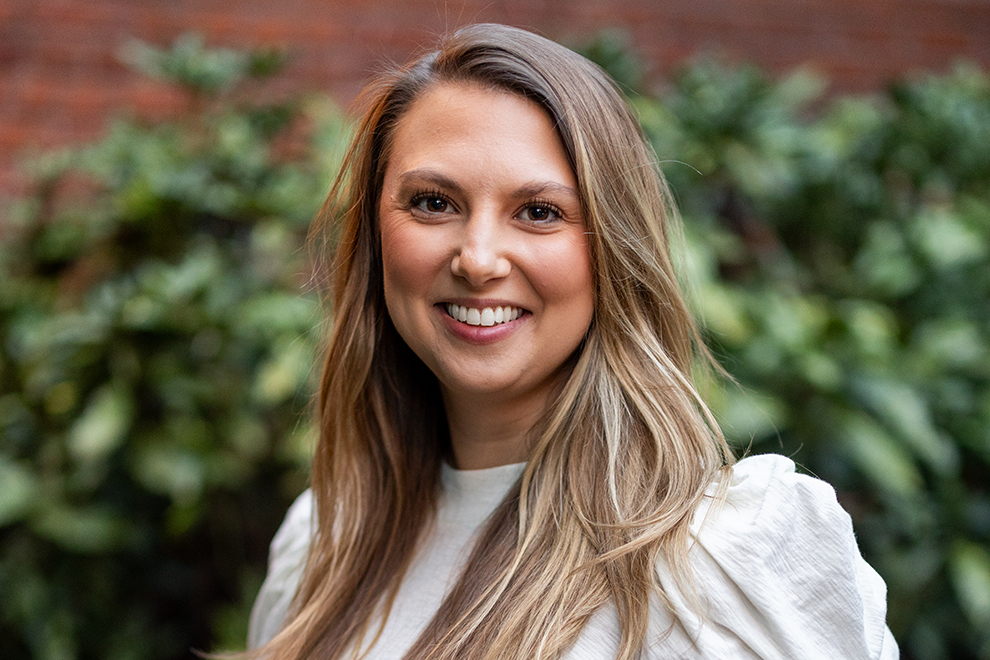



CEDAR Center for Eating & Anxiety Disorders was founded by Julie Guild and Julie Knopp after working in higher levels of care. They noticed a lack of family involvement and high levels of stress in patients. While patients made progress, families were often left out, and the stress of being removed from home often made recovery harder.
“We saw some kids getting better, but families were not being included,” says Guild. “We recognized that it was even harder to overcome [an eating disorder] when they had to be separated from their families.”
Recognizing the need for a better approach, Guild and Knopp created CEDAR, a practice inspired by family systems theory, which views the family as an interconnected functioning system. CEDAR places families at the center of care while allowing patients to recover at home.
A Supportive Real-Life Approach
CEDAR’s team includes licensed therapists, registered dietitians, and a family mentor. Together they provide specialized evidence-based treatment for both eating and anxiety disorders tailored to meet each individual where they are.
“Eating disorders are biological,” Guild explains. “They’re not caused by families, but families can be great allies in helping to treat them.”
That belief is foundational to Family-Based Treatment (FBT), a core component of CEDAR’s model. FBT encourages parents and loved ones to play an active, supportive role in their child’s recovery. In this model, children and teens remain at home, attend school, and continue their daily routines.
This real-world support reduces the stress often associated with inpatient residential programs, helping clients maintain a sense of normalcy throughout their healing journey.
Recovery that Sticks

While traditional residential programs often require months away from home, CEDAR offers an average of twenty structured sessions over several weeks. Some teens feel better in just a month, with their families by their side every step of the way.
Families also participate in group therapy sessions, gaining the tools and knowledge they need to support their child’s long-term healing.
One of the greatest advantages of home-based treatment is sustainability. Many traditional programs remove clients from the environments where their symptoms developed – only for them to return home and face the same triggers, making re-entry tough.
“They go home, and a lot of the time it’s really difficult to get back to their environment and not revert to old behaviors,” says Emily Moorefield CEDAR’s registered dietitian. “So we see high relapse risk.”
CEDAR flips that model, helping clients build healthy routines in the spaces where they live. The result: a recovery that’s more realistic and lasting.
Evidence-Based and Personalized
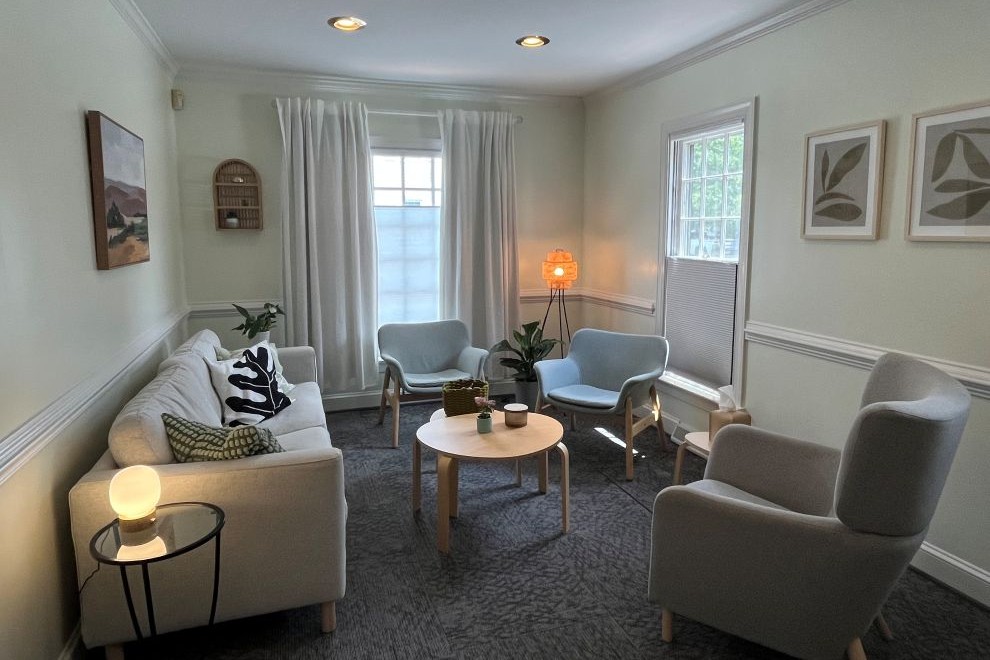
CEDAR’s treatment plans are grounded in evidence-based practices designed to treat the whole person and prepare them for the future. Along with FBT, the team uses CBT-E (Cognitive Behavioral Therapy-Enhanced), a specialized form of cognitive therapy designed specifically for eating disorders. They combine this with nutrition counseling, anxiety treatment, and ongoing support from the full care team.
Their model is adaptable for both children and adults and is especially helpful for young adults preparing for major transitions like college.
CEDAR’s clients don’t step away from life to heal – they heal while living it. To learn more or book a consultation, visit cedarvirginia.com.