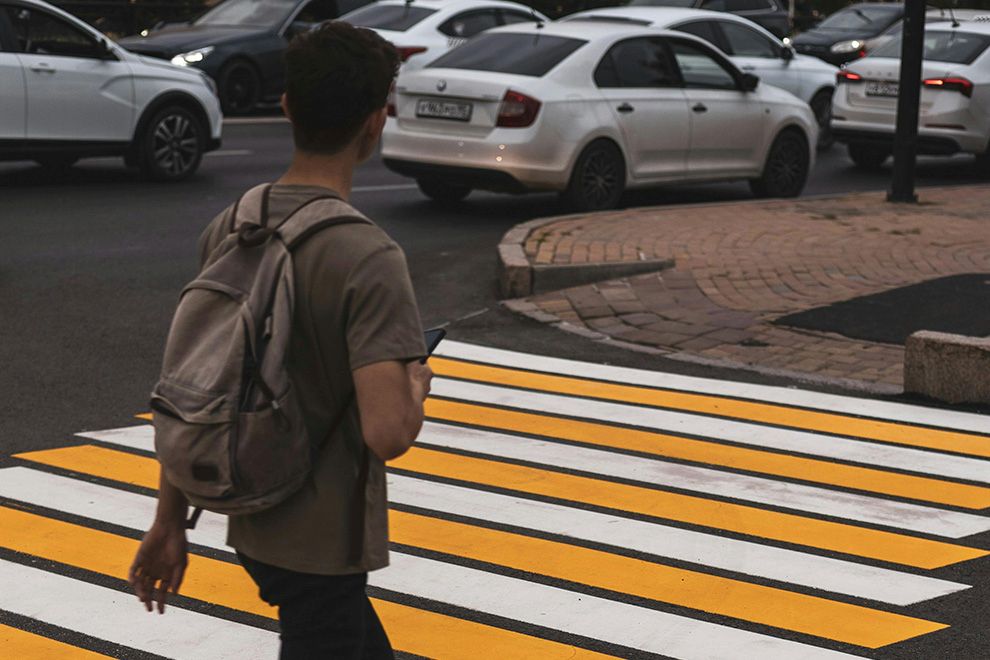
In 2018, the City of Richmond had zero pedestrian deaths. In 2025, there were 13, and four have already occurred in 2026. So, how can we prevent more?
For starters, drivers can practice safe habits like reducing speeds and limiting distractions. The city is also doing its part by introducing their Vision Zero program, a movement to end preventable traffic deaths and injuries.
As part of Vision Zero, Richmonders can expect changes to street patterns, pedestrian crossings, and traffic lights. Here’s what drivers should know about improving pedestrian safety in our city.
What Is Vision Zero?
Richmond City’s Vision Zero action plan was originally implemented in 2016 with the goal of having zero traffic injuries and fatalities by 2030. After the recent uptick in pedestrian deaths, there’s been a renewed sense of urgency in the program.
The city has instituted a new Department of Transportation within the Department of Public Works, which will work to design safer streets and manage transportation projects throughout the city.
Vision Zero in Action
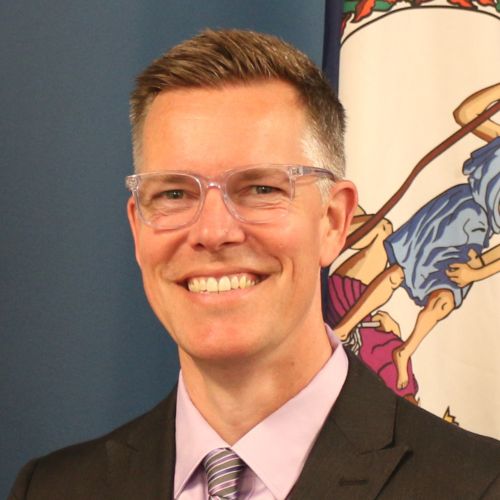
“While the 13 pedestrian fatalities in 2025 are heartbreaking and unacceptable, they occur against a backdrop of meaningful progress,” says Mike Sawyer, PE, City of Richmond Transportation Engineer. “We’ve reduced severe crashes and injuries by 21% compared to recent three-year averages, expanded our Safety Camera Program, implemented traffic calming like speed tables and curb extensions on high-injury corridors, and advanced protected bike and dedicated transit lanes.”
Vision Zero’s Safe System Approach includes three ways the city and community together can prevent traffic-related injuries:
Engineering reshapes the streets so that driving safely feels natural. Richmond is retrofitting corridors with speed tables, adding curb extensions to shorten crossing distances, rearranging streets to create protected bike lanes and dedicated transit lanes, and replacing signals with roundabouts. There will also be more in-depth reconstructions of suburban-style roads that weren’t originally designed with accessibility in mind. Richmond drivers and pedestrians are encouraged to keep an eye out for these changes to make sure they’re abiding by new traffic patterns.
Enforcement pairs technology with accountability. The city’s Safety Camera Program recently expanded from automated speed enforcement in school zones to red-light compliance — both help bring vehicle speeds under control. Drivers are expected to abide by speed limits, not only in school zones, but throughout the city to help prevent traffic-related deaths.
Education closes the gap between knowing better and doing better. Vision Zero will hold community forums and work with local nonprofits to build awareness about traffic fatalities and promote safe driving habits. It’s never too late for drivers and pedestrians to learn or refresh themselves on traffic laws to help keep each other safe.
A Word to Our Neighbors
While the city is taking measures to create calmer streets, a calm street cannot protect a pedestrian from a driver who isn’t paying attention. Infrastructure and culture need to improve simultaneously. Vision Zero succeeds when it becomes more of a community effort than a government program. Every Richmond resident has a role to play — drive sober and alert, buckle in, slow down, put your phone down, avoid distractions, and yield to pedestrians at crosswalks.
“The built environment is safer than ever, but no infrastructure can fully overcome driver inattention, vehicle speed, or impaired brains,” Sawyer says. “Through our Vision Zero commitment and Safe System Approach, we’re layering engineering, enforcement, education, and equity-focused interventions to make safe choices the easy ones. We need every resident to join us — slow down, stay alert, and stop for people crossing — so Richmond’s streets truly become safer for everyone.”
Together, we can make Richmond’s streets a place where everyone gets home safely.