

If you missed the window this spring to start a vibrant summer garden (the one you spent all winter dreaming about), don’t give up on your gardening goals for 2025 just yet. Mid to late summer is the perfect time to establish a fall garden. Fall will be a great time to enjoy the fruits of your labor as cool nights, warm days, and fall rains make it a lovely time to be outside. And even if your summer garden is going well, establishing fall crops now will help you enjoy fresh produce well into winter.
Here in Richmond, where our first frost is typically around Halloween, it is best to plant for fall from the Fourth of July through the end of September. Follow these tips to maximize your fall gardening:
1. Keep cool weather plants in the shade.
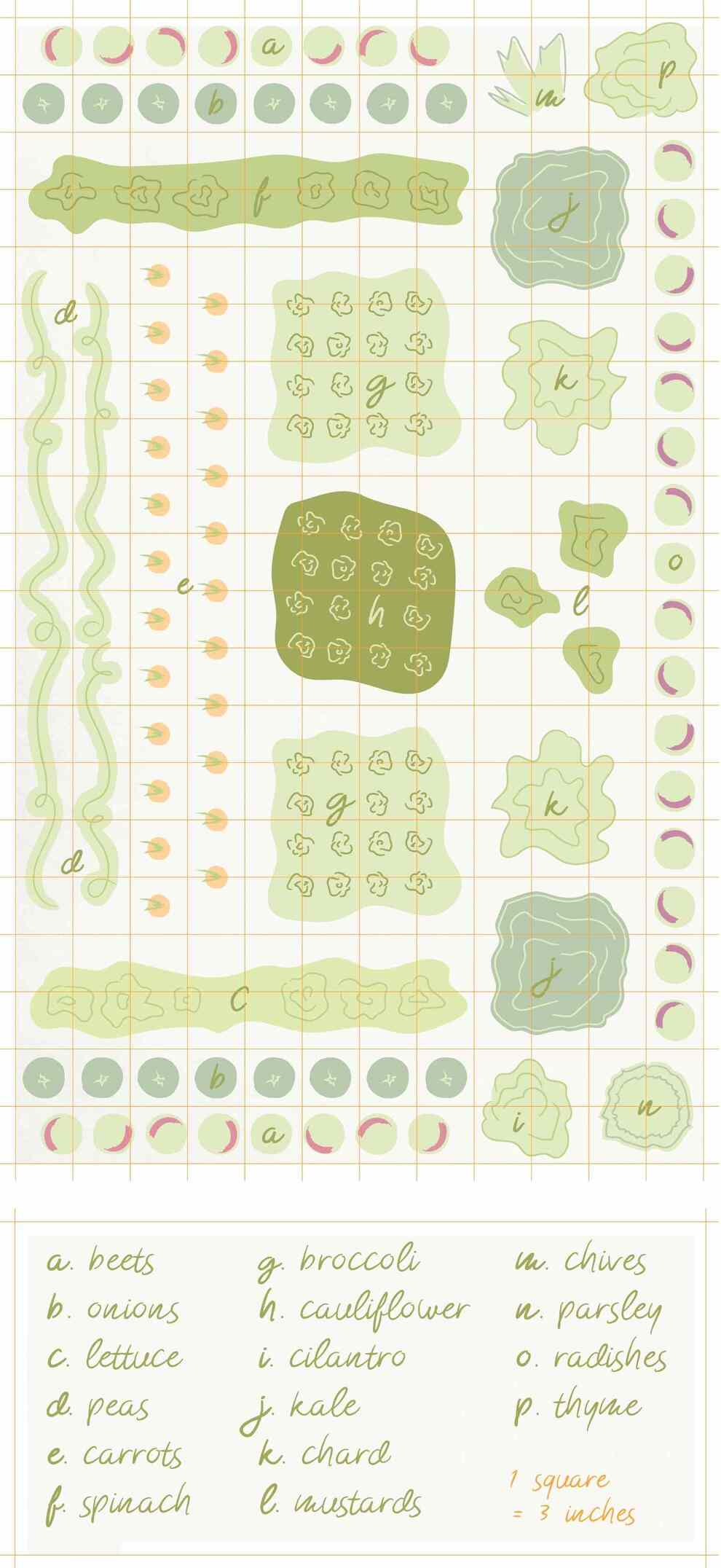
Autumn brings back the cool season crops you enjoyed in spring, like mustard greens, collards, peas, lettuce, broccoli, and cabbage. But here’s the catch, nothing wants to sprout in the scorching July sun – I wouldn’t want to be outside when it’s 100 degrees and 80 percent humidity either.
Instead of planting outside, start your fall crops like broccoli and cabbage indoors on a sunny windowsill or under grow lights to give them a break from the heat. Once the temperatures have cooled down a bit and the plants are a few inches tall with strong roots, transplant them outside. If you can’t start seeds indoors, sow them outside under a floating row cover, such as a lightweight bedsheet, to provide shade and protection from pests.
2. Plant in a succession.
Planting small amounts of the same crop every 1-2 weeks will give you a consistent harvest all season. No one really wants 40 radishes in one day, but a few a week would be nice. Succession planting will also give you the opportunity to layer plants for variety and beauty. Planting different varieties next to one another, known as interplanting, will often yield healthier plants, more resistant to pests and disease
Take note of timing to decide what to start planting first if you’re limited on space. Plant the slower growing crops, such as Brussels sprouts and potatoes, as early as you can and the fast growers, like arugula and radishes, right up until the end of September. Most seed packets will tell you the number of days for each crop to reach maturity.
3. Leave no space behind.
Wherever you remove something whether from harvesting or from pest or disease, plant something else in its place. You can do this right up until frost, saving plants that will live through the winter (like garlic, onions, and spinach) for last.
Tuck cool weather crops along the edges of thriving tomato, pepper, and okra beds. The tall summer crops can provide the shade the cool weather plants need to get started. When temperatures turn cold and summer crops slow and stop producing, cut them down to the ground to allow the cool seedlings to use the bed space.
4. Involve your kids in your fall garden planning.
I always ask myself a few questions when it comes to involving kids more in the garden: What will they eat? What will surprise them? Are there any unusual colors I can plant, like purple carrots or rainbow chard, to keep them interested? What can they be in charge of planting to get them invested in our growing? With these things in mind, your family garden will be fun and engaging for everyone.