


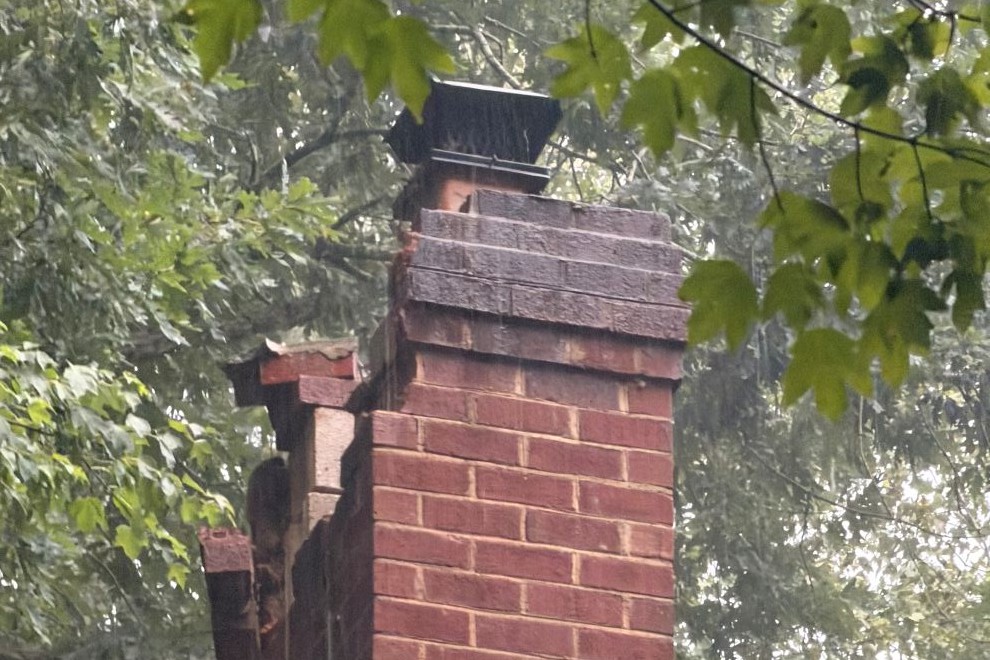
Summer thunderstorms can move through quickly, but the damage they leave behind may not be obvious right away. AAA is urging homeowners to take lightning damage seriously, check their property carefully once it is safe to do so, and contact their insurance provider as soon as possible if they suspect damage from a direct strike, nearby strike, power surge, wind, fire, or water intrusion.
Communities across Virginia have seen repeated rounds of damaging thunderstorms this summer. Lightning can damage a home in several ways. A direct strike can spark a fire, damage roofing or siding, compromise electrical wiring, or affect plumbing and gas lines. Even when lightning strikes nearby, the resulting electrical surge can travel through utility lines, cable, phone lines, or plumbing and damage appliances, electronics, HVAC systems, garage door openers, smart-home devices, security systems, and other connected equipment.
According to the Insurance Information Institute, U.S. insurers paid an estimated $1.65 billion in lightning-related homeowners insurance claims in 2025, up from $1.04 billion in 2024. The average claim climbed to $26,616, a 43% increase that underscores the rising cost of repairs and the growing value of electronics and connected technology in today’s homes.
“Lightning damage is not always as simple as a burned-out appliance or a visible scorch mark,” said Morgan Dean, Manager for Public and Government Affairs at AAA Club Alliance. “A strike can create hidden hazards inside walls, wiring, roofing, and major home systems. Homeowners should put safety first, document what they see, and contact their insurance company before making major repairs or discarding damaged items.”
What Homeowners Should Do After a Lightning Storm
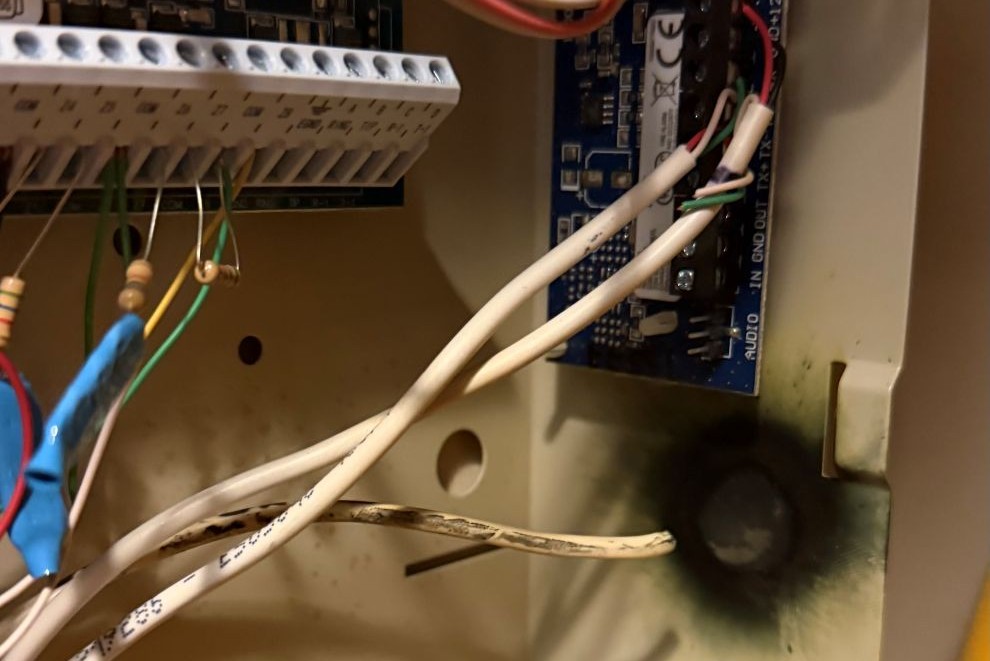
- Wait until it is safe. Stay inside until the storm has passed and wait at least 30 minutes after the last thunder before going outside. Avoid downed power lines, damaged trees, standing water, and any area that smells of smoke, gas, or burning plastic.
- Check for fire or smoke first. Lightning can ignite hidden fires in attics, walls, roofs, or electrical systems. If you smell smoke, see charring, notice hot walls or outlets, or hear popping from electrical components, evacuate and call 911.
- Do not use damaged electrical systems. If lights flicker, breakers trip repeatedly, outlets are scorched, or appliances stop working after the storm, avoid using those systems until they are inspected by a qualified professional.
- Document everything. Take photos and videos of visible damage to the roof, siding, trees, fencing, electronics, appliances, interior walls, ceilings, and personal property. Keep a written list of damaged items, including model numbers, approximate purchase dates, and receipts if available.
- Contact your insurance company promptly. Report the loss as soon as possible and ask what documentation is needed before repairs begin. Your insurer may want photos, estimates, inspection reports, or proof that the damage was storm-related.
- Prevent further damage if it is safe to do so. Temporary measures such as covering a roof opening with a tarp or moving undamaged belongings away from water may be appropriate, but homeowners should keep receipts and avoid unsafe repairs.
- Save damaged items until the claim is reviewed. Do not throw away electronics, appliances, surge protectors, or other damaged property unless your insurer says it is okay. An adjuster may need to inspect them.
Even if an electronic device still powers on, lightning-related surge damage can cause hidden problems, including intermittent malfunctions, connectivity issues, or shortened equipment life. AAA urges homeowners to test all electronics after a storm, including devices that were not in use at the time, and document anything that appears damaged or is not working properly.
Insurance Considerations After Lightning Damage
- Homeowners insurance generally covers lightning-related damage. Standard homeowners and renters policies typically cover damage caused by lightning, including fire damage. Coverage can vary, so policyholders should review their policy or speak with their insurance agent.
- Power surge coverage may depend on the policy and cause. Some policies cover electronics or appliances damaged by a power surge that is directly tied to lightning. Homeowners should ask whether surge-related damage, spoiled food, equipment breakdown, or smart-home technology is covered.
- Flooding is different. Flash flooding from the same storm is generally not covered by a standard homeowners policy. Flood damage usually requires a separate flood insurance policy.
- Tree damage depends on the circumstances. If high winds or lightning cause a tree to fall on a covered structure, homeowners insurance may apply. Coverage may be limited or disputed if the tree was known to be dead, diseased, or neglected before the storm.
- Vehicles are handled separately. Lightning, falling trees, hail, and storm debris damage to a vehicle are generally covered under comprehensive auto insurance, not liability-only coverage.
How Damaging Can Lightning Be to a Home?
Lightning is powerful enough to create fires, blow out electrical panels, damage wiring insulation, destroy connected devices, and affect major household systems. The National Weather Service notes that a complete lightning protection system is designed to intercept a strike, provide a safe path to ground, and reduce the risk of fire and damaging surges. Surge protection for incoming power, data, and communication lines can also help protect appliances and electronics.
“Today’s homes have more expensive technology than ever before,” said Dan Scroggins, AAA Club Alliance Vice President, Personal Lines Insurance. “A lightning-related surge can affect computers, televisions, routers, security cameras, thermostats, appliances, and electric vehicle charging equipment. That is why AAA encourages homeowners to review coverage before storm season and understand what their policy does and does not cover.”
Even if a device still turns on, hidden damage to its electronic components can cause malfunctions or connection problems that aren’t instantly apparent. AAA urges homeowners to test electronics, even those that haven’t been in use lately, to make they haven’t been damaged.
Before the Next Storm: AAA Insurance Tips
- Review your homeowners, renters, condo, and auto policies. Know your deductible, coverage limits, and whether replacement cost or actual cash value applies to personal property.
- Ask about surge protection and equipment breakdown coverage. Home electronics and connected devices can add up quickly after a lightning-related surge.
- Create or update a home inventory. Photos, videos, serial numbers, receipts, and appraisals can help speed up a claim.
- Trim trees and remove dead branches. Reducing overhanging and weak limbs near roofs, garages, and utility lines can help limit wind and lightning-related storm damage.
- Use surge protection. Consider whole-house surge protection and point-of-use surge protectors for sensitive electronics.
- Consider a lightning protection system. Homeowners in areas with frequent thunderstorms may want to consult a qualified professional about a system that meets recognized safety standards.
About AAA: AAA provides automotive, travel, and insurance services to more than 65.2 million members nationwide and more than 1.2 million members in Virginia. AAA advocates for the safety and mobility of its members and has been committed to outstanding road service for more than 100 years. AAA is a non-stock, membership corporation working on behalf of motorists, who can map a route, find local gas prices and electric vehicle charging stations, discover discounts, book a hotel, and track their roadside assistance service with the AAA Mobile app (AAA.com/mobile) for iPhone, iPad and Android. For more information on joining or renewing a Membership, visit www.AAA.com.