
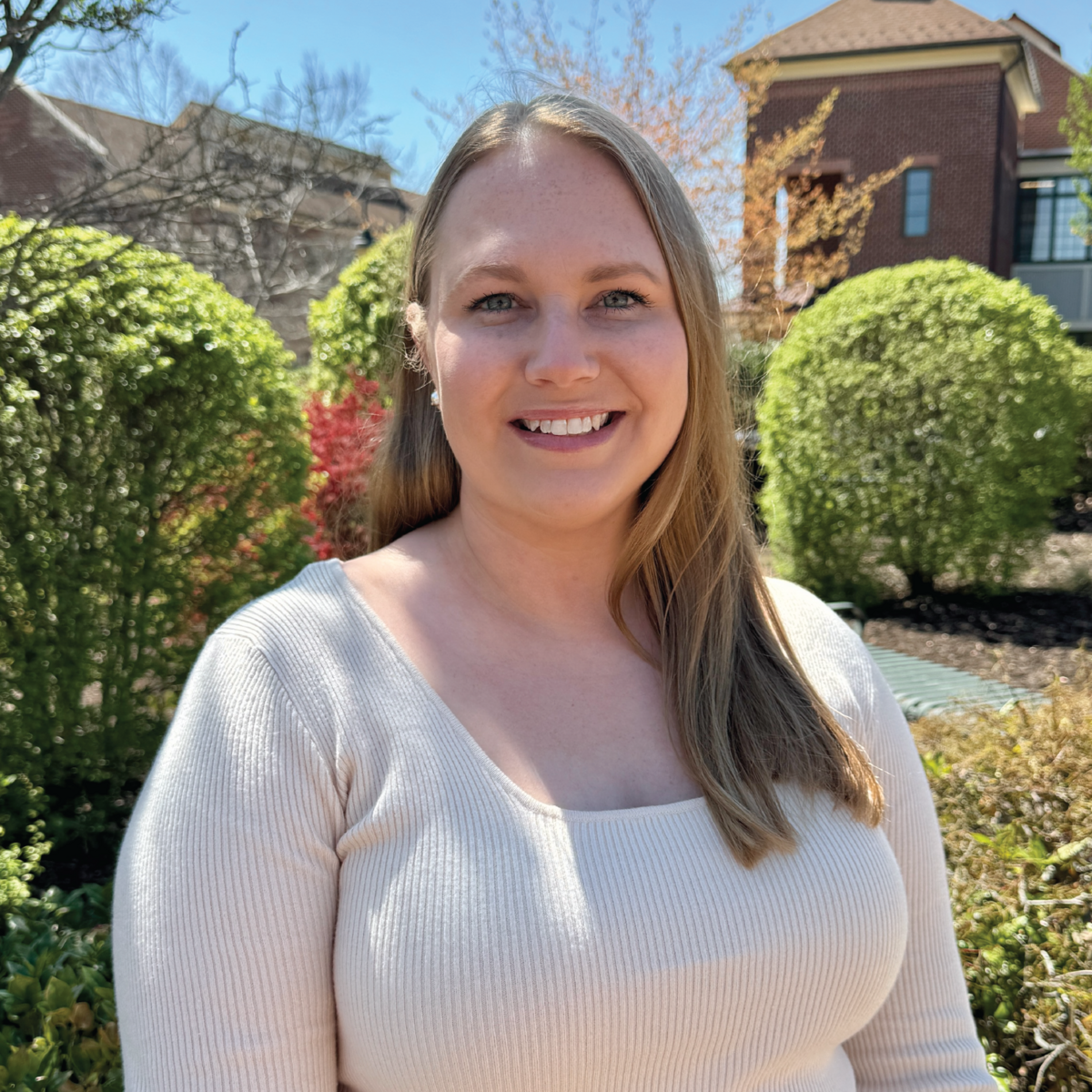
Gabi Day struggles with Ehlers-Danlos syndrome, POTS, and a history of severe Lyme disease. While hospitalized during one of her particularly severe flare-ups, she decided that she needed to do something about the products she was putting on her skin. Her immune system was more sensitive than the average person’s, and while she understood that switching shampoos and cosmetics wouldn’t heal her, she knew that making the switch to safer products would positively affect how her body reacted and felt.
Stuck in bed, she decided to teach herself to formulate products that met her personal standards of “clean” and also exceeded traditional American industry standards for what can — and should — be used in personal care products. Now, Day can tell you exactly what’s in every personal care product she uses. She can also tell you why that matters. Not in the abstract, wellness-influencer way the internet has made all too familiar, but in the specific, hard-won way of someone who spent years dealing with chronic illness, going through IVF, and bringing babies into this world who had sensitive skin themselves. She decided that if she couldn’t control much with her medical diagnoses, she could at least control the products she uses for herself, her family, and the customers of her personal care brand Bright Body.
The Years That Influenced Bright Body

Day had a far-from-ordinary college experience at Virginia Tech. One day, in 2009, she started experiencing debilitating fatigue, nerve pain, and joint pain out of the blue. She quickly went to see a doctor, but they didn’t seem to have a solid answer for her symptoms. After additional doctors’ appointments, Day was eventually given a neck brace to wear, though doctors still hadn’t provided a formal diagnosis or explanation for her sudden fatigue and pain.
Finally, she saw a doctor at The Johns Hopkins Hospital in Maryland, where she was first diagnosed with POTS and chronic fatigue syndrome, and later diagnosed with Ehlers-Danlos syndrome. Her doctors had also been testing her for illnesses such as multiple sclerosis, which Day says felt like a light at the end of the tunnel. She thought she would finally have a formal diagnosis and a treatment plan she could follow to alleviate the chronic pain and fatigue she was fighting every day. But when those tests came back negative, she went back to the drawing board, still looking for an explanation as to what was causing her symptoms.
One of Day’s doctors from Johns Hopkins called, and what he said would not only change her life forever, but also save her life. It turned out that in addition to her autoimmune diseases, she also had untreated Lyme disease, which can impact the body’s central nervous system — exactly what was happening to Day.
Now she had answers, but with answers came a slew of medical needs. While she was still in college, she had to have a home healthcare nurse take care of her to assist with drawing blood, flushing her PICC line, and changing her dressings. To get around campus and manage her pain, Day also had to use a cane.
As time went on, she continued treatment for her chronic illnesses but was still experiencing painful and uncomfortable flare-ups — some so intense that she had to be hospitalized. She was taking care of herself with modern medicine and her own self-care practices, such as doing yoga, changing her diet, and taking the proper medication, but something was still missing.
“I knew physically what I needed to do. I knew nutrition, I knew medicine. Check, check, check,” Day says. “I remember thinking to myself, ‘I’ve done the biggest, most important things first. What else can I do for my sensitive immune system?’ And that’s how I came to personal care.”
After that, Day began educating herself more about the ingredients she was exposing her immune system to with the products she was using. Through extensive research, she learned which ones she should be using and which ones she should avoid.
Obsession and Love of Learning
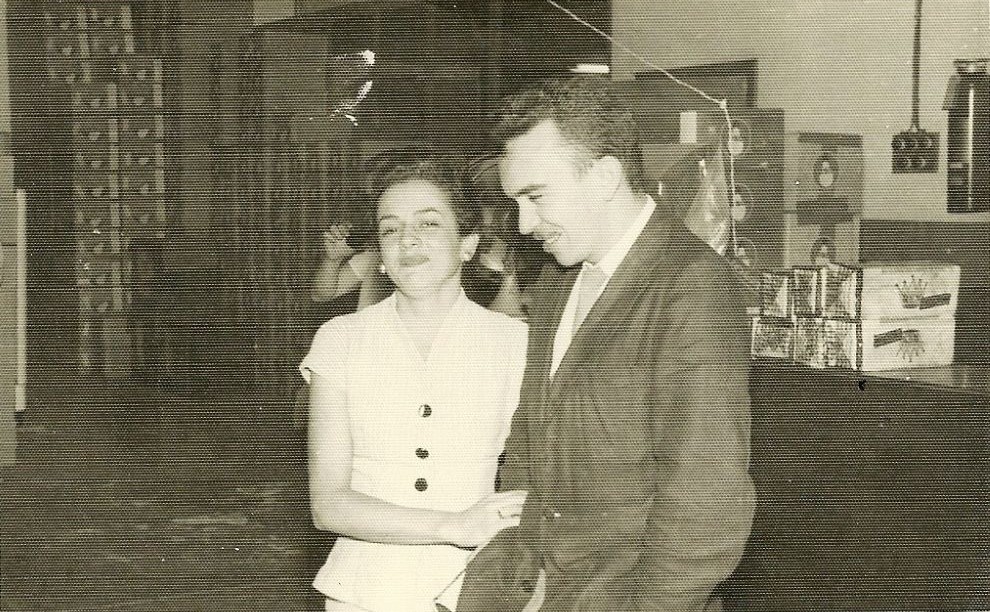
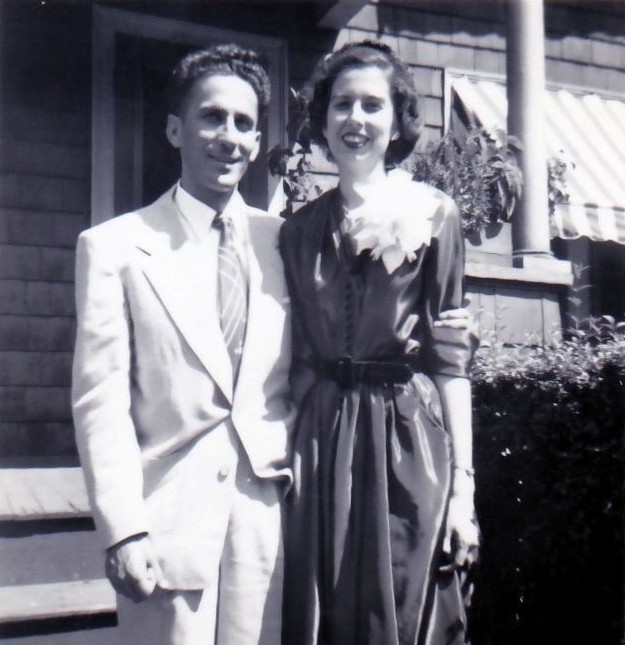
Day says she has a family history of “major nerds,” so this kind of scientific research and discovery came naturally to her. “I come from a family of intellectuals, and I definitely inherited the obsession and love of learning,” says Day.
Her maternal grandparents were a big part of her life growing up. Her grandfather had a PhD in physics from MIT, and her grandmother had a master’s degree from Simmons University. The two met as physicists at the MIT research lab that Day’s grandmother ran and where her grandfather studied. Her paternal grandparents were also highly educated — each fluent in four different languages.
“When people ask me why I care so much about standing up for science or for social change, the answer is simple: my ancestors,” Day writes on the Bright Body website.
After graduating with a degree in Human Development, Day considered going back to school to become a clinician, but those jobs are physically demanding and would have been taxing on her body due to her autoimmune diseases. Instead, she decided to work in healthcare administration, earning her master’s degree from Virginia Commonwealth University. But even her residency for that career was draining. Luckily, Day’s background in healthcare administration, paired with her family’s history of scientific research and a natural passion for learning, gave her an edge as she took her first steps toward developing products that worked for her.
While Day was recovering from her time in the hospital for a severe autoimmune flare-up, she decided that she needed a project to keep herself busy. Physically, she couldn’t do much, but mentally, she was ready to learn more about personal care products and ingredients.
“As I started getting stronger with treatment, I would order small quantities of ingredients and tinker around in the kitchen. I thought I was going to do some DIY projects for myself, but when I would talk to friends or family, they would ask to try the products too,” shares Day.
Day didn’t originally plan to build a business with her at-home formulas, but hearing the interest from her friends and family gave her an idea. As she continued to heal, she weighed her options: return to healthcare administration or make her passion project a full-time job.
Ultimately, she went all in on her new venture. She may not have had the vision solidified yet, but she knew that if she took this step, she would change the rest of her life in a very profound way.
Challenging “Clean” Beauty Standards
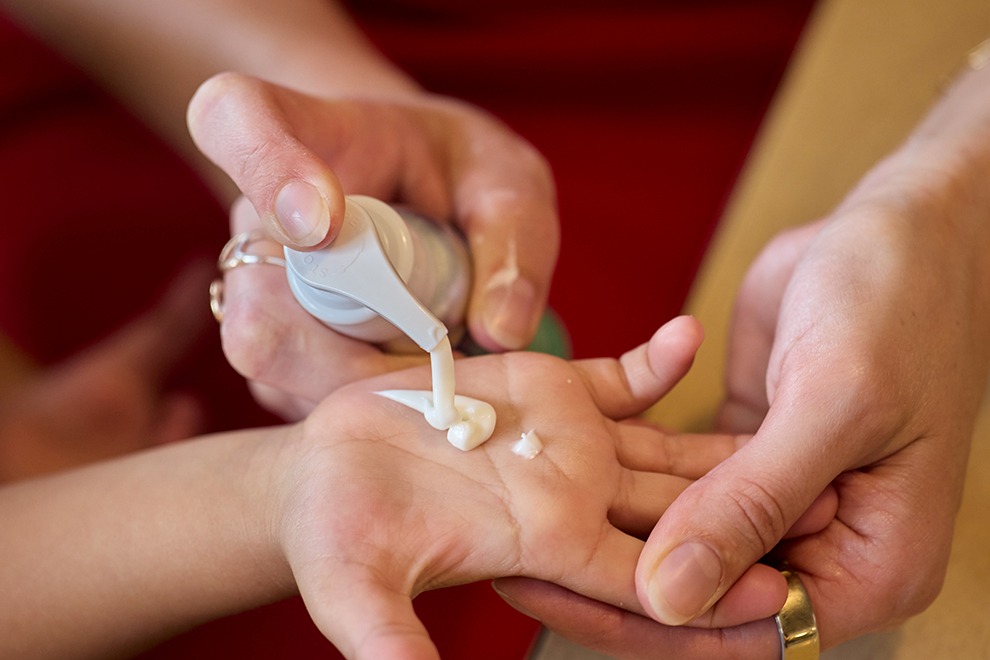
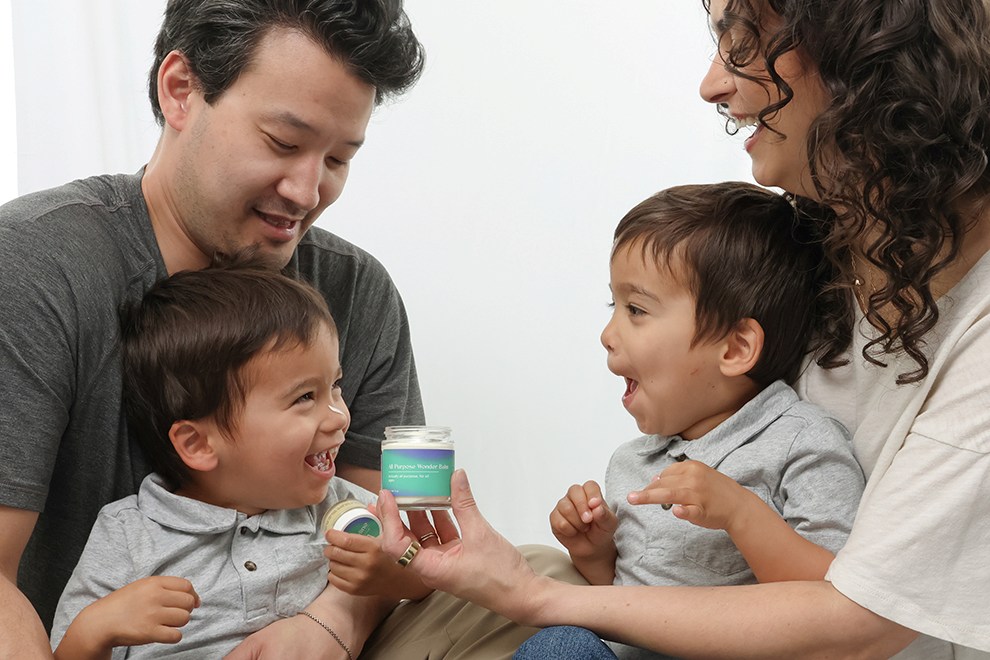
In 2017, after about 18 months of in-depth research and development, Bright Body was born. Day first launched her business with what she now believes was “too many products,” and over time has refined her offerings and formulas. Today, Bright Body offers curly hair products, skincare, and a baby care collection, Bright Body Baby — which was inspired by Day and her husband Jimmy’s twin boys, who experienced eczema as newborns.
When Day refers to Bright Body as a “clean” brand, the word clean will often be accompanied by an asterisk or in quotations. That’s because, to the Bright Body team and to many experts in the industry, a “clean” product is the bare minimum for product safety. We all see the words “clean” and “non-toxic” thrown around by brands and influencers, but what do they really mean? Day notes that “clean” is industry shorthand, but it’s also extremely nuanced.
In the beauty industry, fear-mongering around words like “non-toxic” or “clean” can confuse and mislead consumers. That’s why Bright Body is clear on the ingredients in their products and the science behind those ingredients, and it’s why they’re transparent about their use of both synthetic and natural ingredients. It’s important to remember that natural doesn’t necessarily mean safer, synthetic doesn’t automatically mean bad, and clean doesn’t mean that other products are “dirty” or “high-risk.”
When it comes to her product formulations, Day emphasizes that “risk” is not only about the individual ingredients but also about customers’ personal risk tolerance. For Day, her risk tolerance as someone with chronic illness may look different than someone who doesn’t face those same health concerns. That’s why the Bright Body team spends extra time researching all of their natural and synthetic ingredients and working through multiple rounds of formulations.
“When researching ingredients, I always assess the purpose, the expected benefit, the alternatives, the risk versus benefit, and whether there is something safer,” Day says.
In tandem with her own ingredient research checklist, Day relies on the ECOCERT/COSMOS international standards for safety, sustainability, and biodegradability. She prefers those standards over others because she believes they’re less fear-based and more consistent in their reporting and regulations. This gives Day full confidence in the products she’s formulating for Bright Body.
Bright Body not only curates exceptional products, they also use sustainable packaging and a refill model in hopes of influencing sustainability across the industry and advancing social good. All of their products are sold in aluminum bottles or glass jars, making them easy to refill. For products in aluminum bottles, refills are sold without the pump, so when customers run out, they can just swap the plastic pump — the only plastic packaging Bright Body uses — into the new aluminum bottle and recycle the empty one. If a product comes in glass, refills come in a pouch, and all empty pouches can be sent back to Bright Body for TerraCycle processing.
The People Behind the Products

Over the years in business, formula adjustments, and new product launches, one Bright Body product has remained the same since the beginning: the Flaxseed & Oat Protein Curly Hair Gel. And it was this product that pulled in the company’s production manager Stephanie Eldridge.
In 2019, when Eldridge was on a journey to seek more handmade products, support small businesses, and find more sustainable options, Bright Body checked all her boxes, and the Flaxseed & Oat Protein Curly Hair Gel did wonders for her curls. Then, around the time Day was expecting her sons in 2022, Eldridge reached out to ask Day if she needed any help with Bright Body — which, of course, Day really did. Eldridge went from being a loyal customer to joining the Bright Body team and becoming Day’s right-hand woman. Eldridge’s expertise and work ethic help balance out Day’s energetic spirit, making them the perfect team.
“She keeps things running in a way that I could not keep up with solo,” shares Day. “She’s incredible.”
As someone who also struggles with health issues and has felt the impact of that in previous jobs, Eldridge doesn’t have to worry about it quite as much working at Bright Body. “Every time I’ve ever asked Gabi for something, it’s always been a ‘yes’ or just a positive outcome,” says Eldridge. “I have narcolepsy, so I’m tired all the time. I come to work, and Gabi’s just the bright spark.”
Starting next year, Day’s husband is leaving his job as a humanities teacher at Hermitage High School to join the Bright Body team full-time. He’s been helping behind the scenes since the beginning, but now he’ll be jumping in to help with more of the day-to-day operations. And now that the couple is working together, they’ll have more flexibility to take time off for family matters and to care for their boys, who also appear in product photoshoots from time to time. Jimmy is excited to be joining his wife at Bright Body as she builds her brand and stands up for what she believes in.
“She has a very clear vision. She doesn’t care what people think about her, and she will speak her mind,” shares Jimmy. “She has quadrupled down on that, and it’s a fundamental pillar of her business.”
And as for the legacy she wants to leave? Day says, “I want my boys to just know innately, without ever having to be told, that women are powerful as hell.”