

Protein water, protein pretzels, protein coffee, protein cereal—everywhere we turn, protein is promoted as a beneficial addition to people’s diets across every stage of life. Rumor has it that protein helps with weight management, builds strong muscles, improves our hair, skin, and nails, and makes foods more filling. But what does protein really do for us? What is the optimal amount to consume on a daily basis? What are good protein sources? Ahead, we’ll uncover more about this popular nutrient.
What Role Does Protein Play in Our Bodies?
Before we dive into the importance of protein, it’s important to understand how it affects our bodies. When we consume protein, our bodies begin metabolizing it and breaking it up into smaller building blocks called amino acids. These amino acids are involved in many bodily functions, like muscle growth, tissue repair, and communication in different organ systems. Eating foods higher in protein can also help blood sugars stay steady, because the process of breaking down protein takes a number of steps. This in turn supports sustained energy and mood regulation. In other words, protein can keep that awful “hangry” feeling at bay, especially when paired with high-fiber foods, such as vegetables and fruits, since they also take a while to fully digest.
Where Is Protein Found?
Concentrated sources of protein include plant-based foods, such as nuts, legumes, seeds, and grains, as well as animal-derived products like dairy, eggs, and meat. People often think that eating a more plant-based diet can lead to protein deficiency because plant-based protein sources often do not contain all nine essential amino acids. However, eating a wide variety of plant-based foods will usually cover the full spectrum of essential amino acids that must be acquired through our diet. This is why meals composed of rice and beans, for example, are often considered highly nutritious. By eating them together, all nine essential amino acids are covered between the two ingredients.
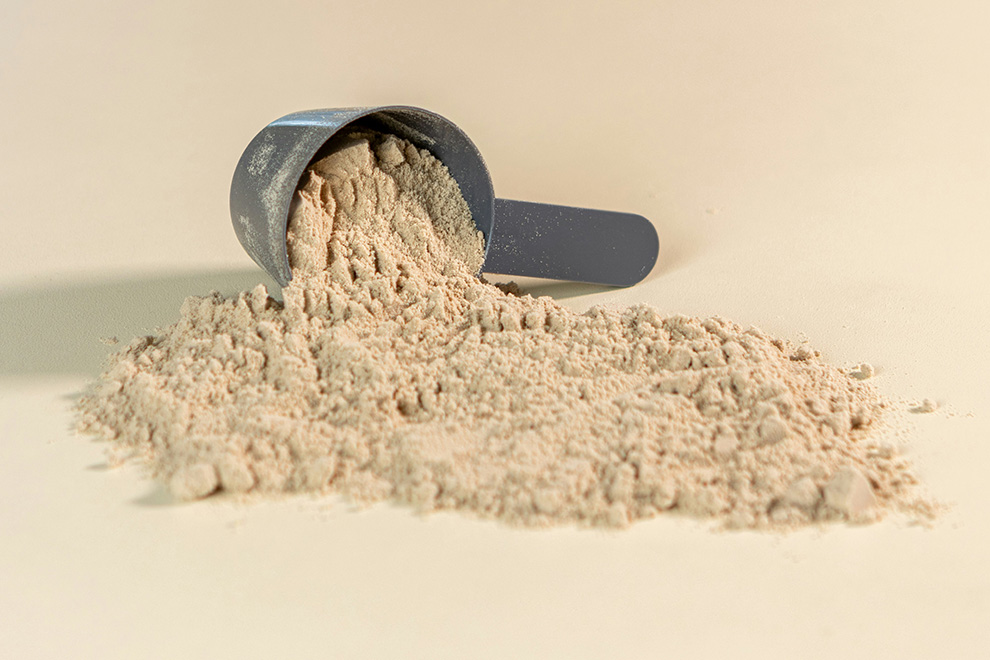
Adding ingredients like whey or pea protein powders can also be used to boost the amount of protein in products that might not naturally contain it or have lower amounts of it. For example, protein waters are typically made of whey protein isolate added to water along with flavoring. But it’s worth noting that naturally occurring protein sources like meat, dairy, or beans often include some dietary bonuses, such as Vitamin B12, iron, or other vitamins and minerals that protein powders may not contain.
No matter where it comes from, you should take a look at what’s coming along for the ride with protein. For example, a juicy sausage may be a good source of protein but loaded with inflammatory fats, and a Greek yogurt may actually contain more sugar than protein. Use the nutrition facts label to spot any of these “spotlight stealers” in high-protein foods.
How Much Protein Should I Get in a Day?
How much protein a person needs is relative to their age, size, and overall health. Generally, kids should consume 0.38-0.43 grams of protein per pound of body weight, and adults should have roughly 0.36 grams per pound. As we age, more protein (0.45-0.54 grams per pound) can help with maintaining muscle mass. Athletes and people recovering from illness may also need more protein than the average person.
However, excessive levels of protein can cause some negative side effects. Extra protein can eventually convert into unintended fat stores. People with kidney conditions especially need to keep close watch on their protein consumption, because nitrogenous byproducts of protein metabolism have to be managed by the kidneys. For any person, too much protein can also be linked to kidney stones. Constipation is also associated with excessive protein intake, since sources of protein are usually relatively low in stool-supporting fiber and water.
Our bodies can also only process so much protein at one time. For example, eating over 100 grams of protein in a single meal typically won’t provide the same benefits as eating a more modest amount of protein (say, 75 grams) through an entire day of meals and snacks.
While protein helps our bodies, it’s important to remember there is such a thing as too much of a good thing, and protein is only one part of a balanced, healthy diet. Varying sources of protein, spreading them throughout meals and snacks, and looking for any spotlight stealers are your best bets for a perfectly protein-packed diet.