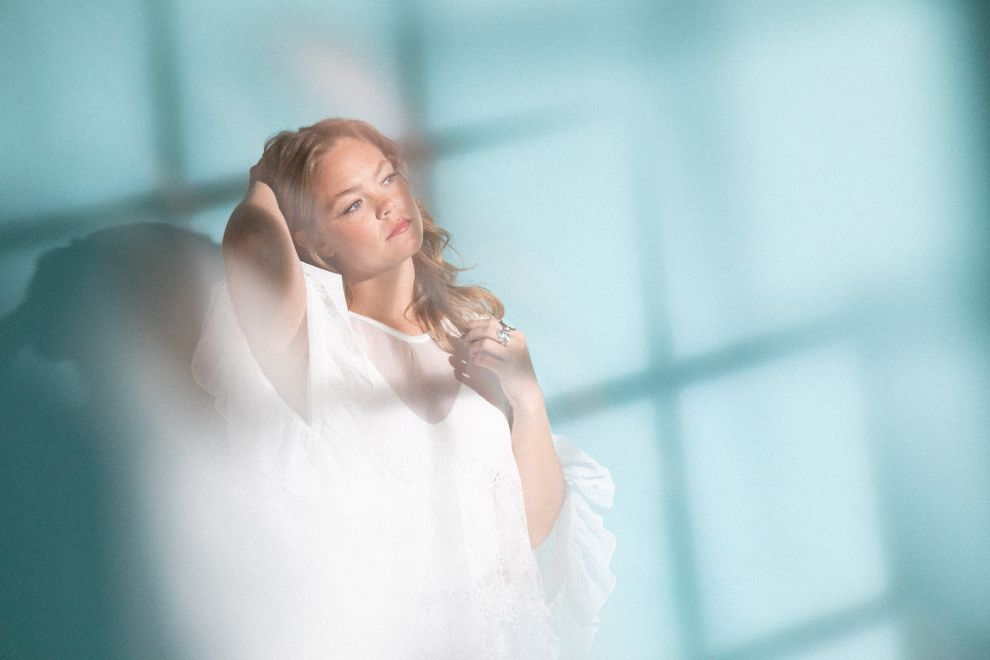
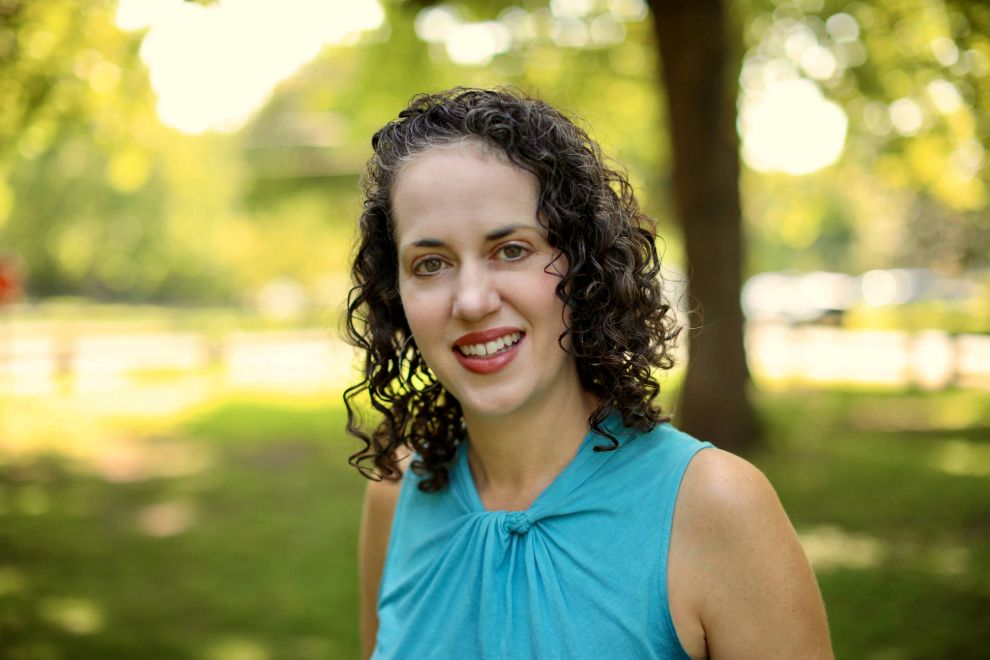
Chesterfield native Kris Coronado was doing research on a book when she stumbled across old newspaper clippings from the 1920’s.
The clippings, about a female lighthouse keeper were the impetus for her non-fiction picture book Lighthouse Ladies: Shining a Spotlight on Hardy Heroines, which celebrates its one-year anniversary this month. It’s also celebrating an array of awards, including a starred review from Kirkus and Booklist and designation as a “2025 Best American History Books for Kids” from Betsy Bird, one of the country’s most influential librarians.
Coronado’s idea to write a book about the brave women behind the lifesaving light that overlooks the sea led her to stories about other female lighthouse keepers.
“I found a treasure trove of interesting ideas, but I zeroed in on four real-life protagonists who were all overcoming an impossible obstacle,” says Coronado, an author, journalist, and mother of two young daughters.
The Lighthouse Ladies
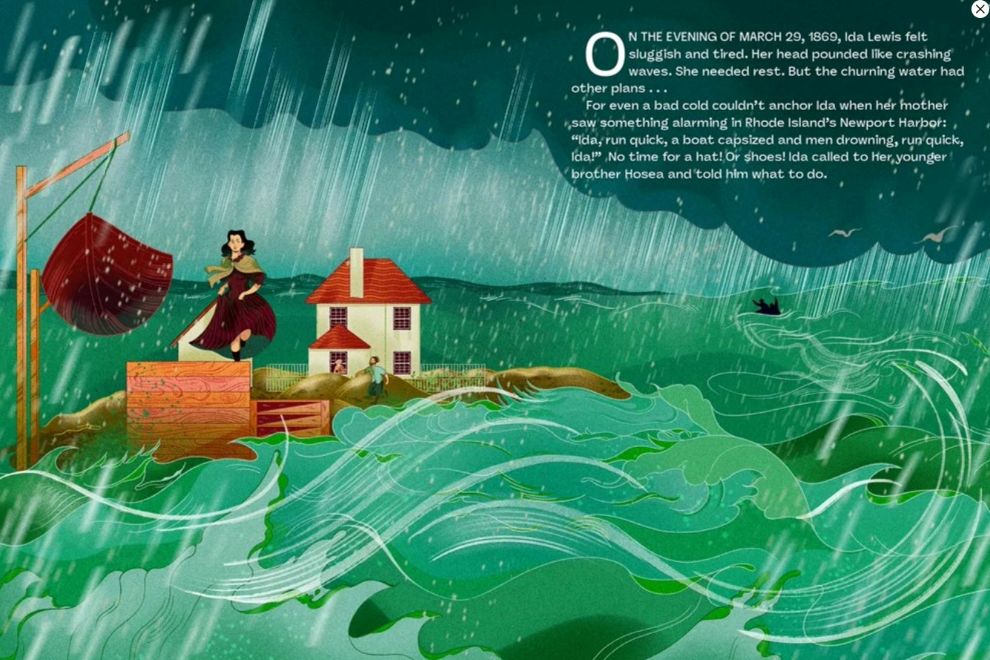
During her research, the first woman who caught her attention was Ida Lewis who lived at Lime Rock Lighthouse in Newport, Rhode Island. A strong swimmer, Lewis rescued at least 18 people from the sea during her time as lighthouse keeper.
“She became a celebrity of her time. Thousands of people, including President Ulysses S. Grant, visited her,” Coronado says.
Lewis unofficially took over the job from her father when he fell ill in 1857. She was appointed keeper in 1879. “She was widely known across the country, but she didn’t like the limelight,” Coronado says. “Most people don’t know her name today.”
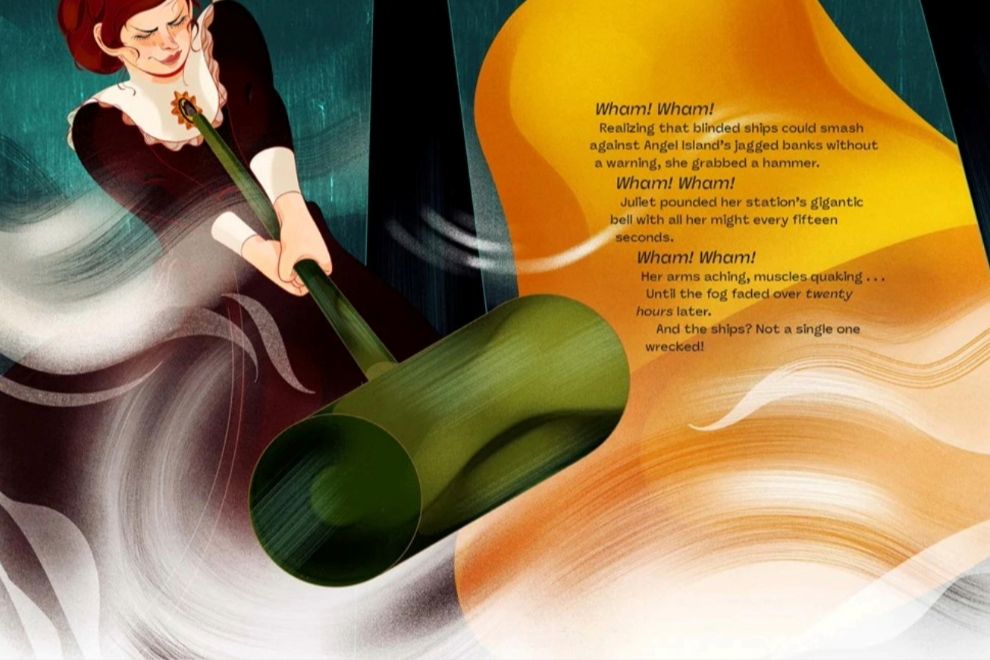
Juliet Nichols, a lighthouse keeper on Angel Island in San Francisco Bay, was responsible for guiding sailors through the thick fog along the bay with her fog bell. On July 2, 1906, that bell just wouldn’t work. So, Nichols rang the bell for 20 hours and 35 minutes. Every 15 seconds, she struck the bell by hand.
“I just love that,” Coronado says.
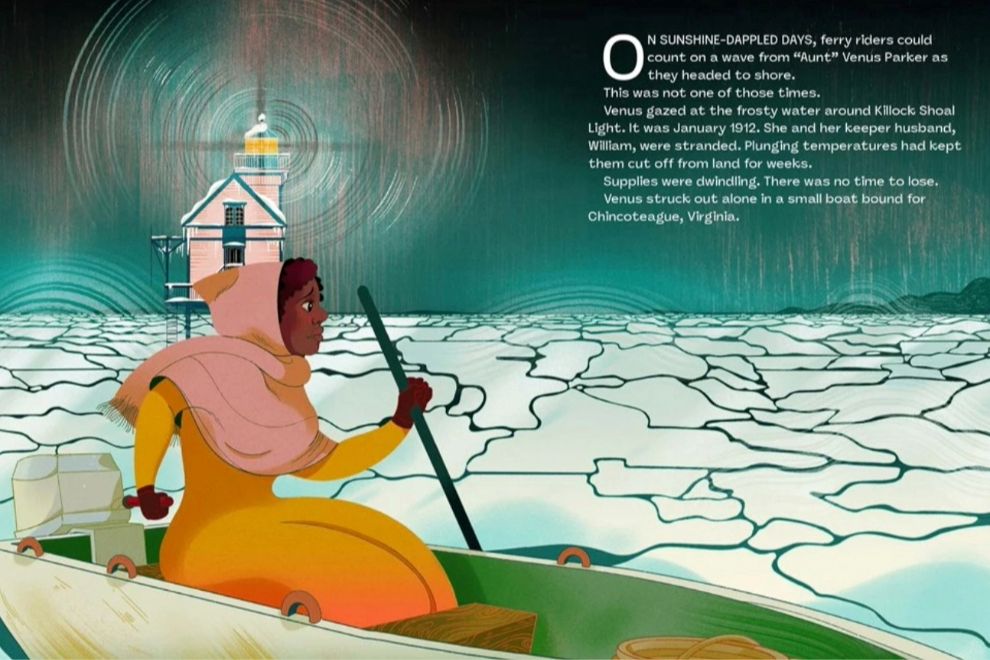
In Virginia, Venus Parker, a woman of color, lived in the Killock Shoal lighthouse in Chincoteague channel. In January 1912, she and her husband were trapped in the lighthouse for weeks when it was iced in.
“She would battle the ice to go to shore to get food for her and her husband,” Coronado says. “After I wrote the book, I went to Chincoteague and sadly, the lighthouse is no longer there.”
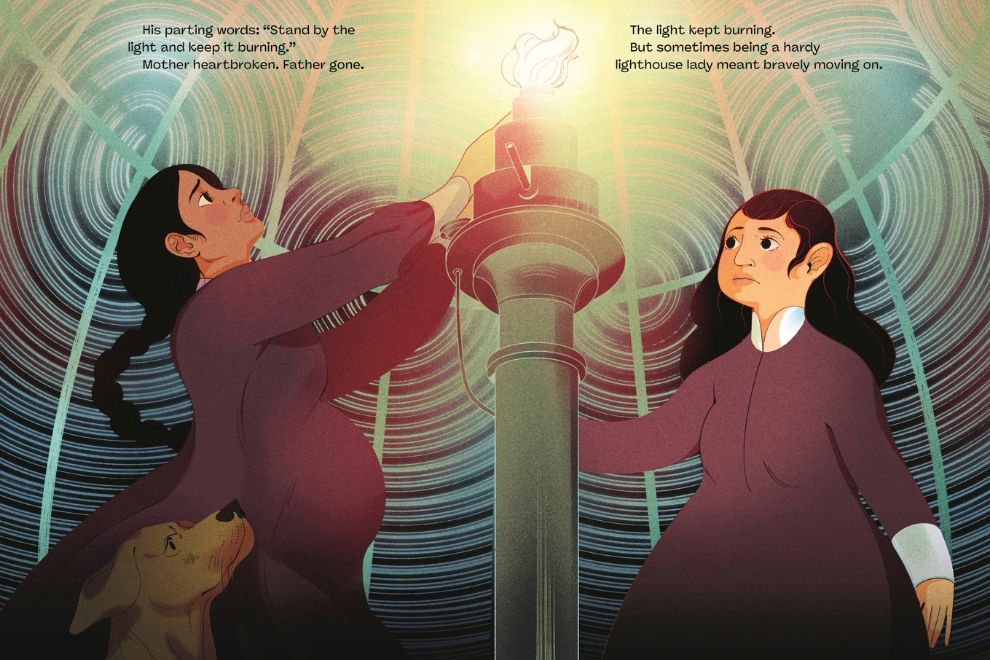
Hawaii was the last lighthouse location in Coronado’s book. Julia Toomey, the lighthouse keeper’s daughter, helped her father keep the light on in Makapu’u Point, which sits at the eastern end of the Island of Oʻahu in the 1920s.
“I ended up connecting with Julia’s daughter, Loke Kapela, and we are friends now, which is so cool,” says Coronado. “She was so touched that I was able to bring this family history to her. She ended up doing a reading at her bookstore in Hawaii.”
The process of writing the books was more rewarding than Coronado ever imagined. “The connections that have come from writing this book have been a real gift,” she says.
The constant theme woven through the pages is bravery, she adds. “I want to encourage my daughters to be strong and brave girls in their own lives. We all can be brave and tackle what lies ahead.”
A Writer at a Young Age
Coronado’s writing journey began when she was young when she would write little books, crafting the covers out of construction paper. She sold her books to people in her neighborhood for a quarter each.
Her professional career started at the age of 14 when she wrote stories for the InSync section of the Richmond Times-Dispatch. Her next brush with writing came between her junior and senior year at William & Mary when she landed an internship through the American Society of Magazine Editors, working at People magazine.
“I had never worked for magazines,” she says, adding the internship gave her the opportunity to write about celebrities and other interesting people.
After college, she returned to New York and following stints at Entertainment Weekly and People, she was hired as an assistant entertainment editor at Redbook, which she describes as “a great experience.”
Before moving to Richmond with her husband, Sean, and their family, Coronado freelanced for the Washingtonian and Arlington magazines and the Washington Post, concentrating on food, lifestyle, and different sections of the paper.
A Shift in Focus
The mom of two young daughters, Coronado’s interest shifted from writing about lifestyle to writing for children. She experienced an “aha moment” when she heard a speaker suggest that writers should think about what they have that is unique and bring that to the story.
Coronado said to herself, I am a journalist and should lean into my strengths. “That is when things started picking up for me,” she says, adding she signed with an agent and later produced Lighthouse Ladies.
During her writing process, she had to juggle her writing with motherhood.
“Being a mom blows up your life in the best way. You have to focus on what makes you feel good. I love being a mom, and I love being a writer,” she says.
She acknowledges you have to figure out the best way to make everything fit together. “I would write during their nap times or when they went to bed,” she says. “It was a new challenge. I would chip away, bit by bit.”
Coronado hopes to continue her writing career, she adds. “I am always curious about learning something new. It’s always a journey.”