
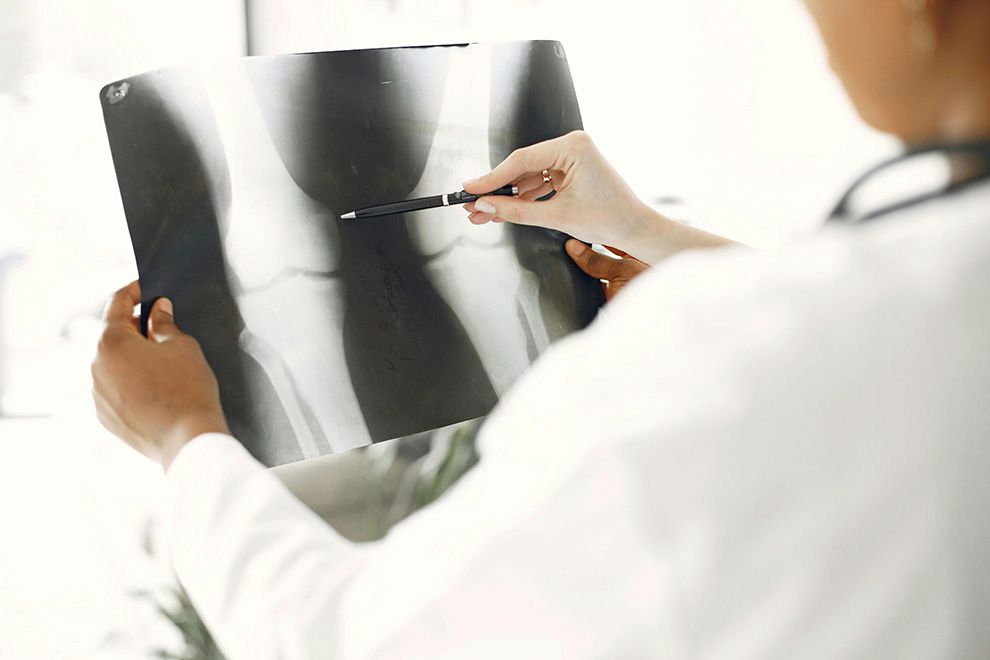
Osteoporosis is a common bone disease experienced by many women. It’s characterized by low bone mineral density, meaning bones become weak or brittle, increasing the risk for fractures. By recent estimates, nearly 50% of women over age 50 have low bone mass, which is a precursor to osteoporosis.
Osteoporosis is often thought of as something that happens “later,” only to be worried about in your 60s or 70s. But what may be surprising is that by the time you start discussing and completing screening tests for osteoporosis, bone loss has often been happening quietly for decades.
Here’s what women in their 30s, 40s, and 50s should be doing now to improve their bone density.
Aren’t I Too Young to Worry About This?
Bone density typically peaks around age 30. From then, gradual weakening over many years can lead to osteopenia (lower-than-normal bone density) and eventually osteoporosis. Hormonal shifts during menopause and perimenopause will often accelerate this process.
However, this does not mean that bone loss is inevitable. There are ways to slow, and even reverse the process. That’s why women should consider their bone health long before it becomes a diagnosis.
Pick Up Those Weights
Bones are smart, living tissues that adapt to the demands placed on them. When we challenge them appropriately, they respond by becoming stronger. This is why resistance training is so important.
Walking is a great start to a fitness routine and is excellent for heart health, but on its own, it’s usually not enough to maintain or build bone strength. Strength training provides a higher stimulus to promote healthy bones. This can start with body weight exercises and progress to utilizing weights or even doing jumping exercises.
Getting started doesn’t have to be complicated or time consuming. By focusing on consistency when working out, even small habits can make a big difference. Throughout your daily routine, try adding 10 squats, 10 wall push-ups, and 10 jumping jacks to build muscle.
Weighted vests have become increasingly popular, and when used appropriately can also supplement walking and strength exercises. However, they are not a shortcut. Proper strength training remains the foundation. Anyone with known osteoporosis or history of a bone fracture should consult a healthcare provider before adding extra weight.
Don’t Forget About Balance
Most bone fractures happen because of a fall, not simply because of low bone density. Just like muscle mass, balance naturally declines with age. Oftentimes this process is so gradual that you don’t even notice it. The good news is, balance can also be improved with practice.
An easy way to improve balance is to stand on one leg while brushing your teeth. This gives you at least two minutes of balance practice per day without adding anything extra to your schedule.
Lifestyle Matters Too
Exercise is essential, but it’s not the full story when it comes to bone health. Stress, inadequate sleep, poor nutrition, smoking, and long-term inactivity all influence the process of bone remodeling. Prioritizing overall health allows your body to complete its natural recovery and rebuilding process.
It Is Never Too Late
Even if you already have osteopenia or osteoporosis, improvement is still possible. With appropriate guidance and gradual progression, bones can still respond positively to strength training and weight-bearing exercise.
There is no age limit on getting stronger. Balance can always be improved with practice, and small healthy changes can have large impacts. While carving out time in busy seasons of life can be challenging, it is a worthwhile investment in your long-term mobility and independence.